In today's competitive manufacturing landscape, maximizing productivity while maintaining cost-effectiveness is a top priority for businesses. One of the key tools in achieving this balance is the multi-axis CNC workcell, which offers flexibility and precision across a wide range of applications. This report focuses on how an economic 2-axis CNC Lathe can be leveraged to enhance productivity without compromising on quality or budget.
Understanding the Basics of a 2-Axis CNC Lathe
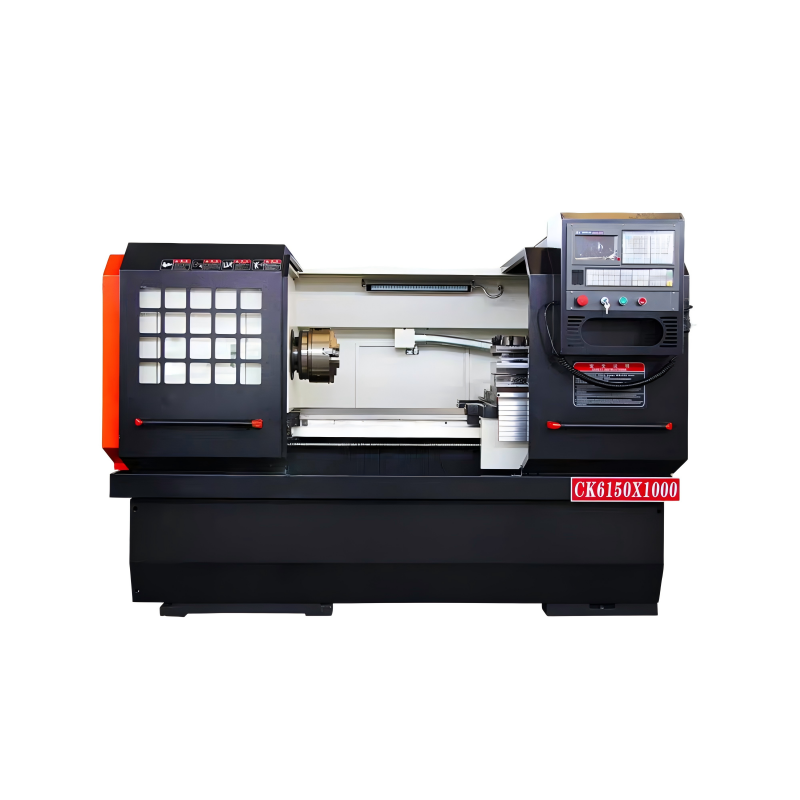
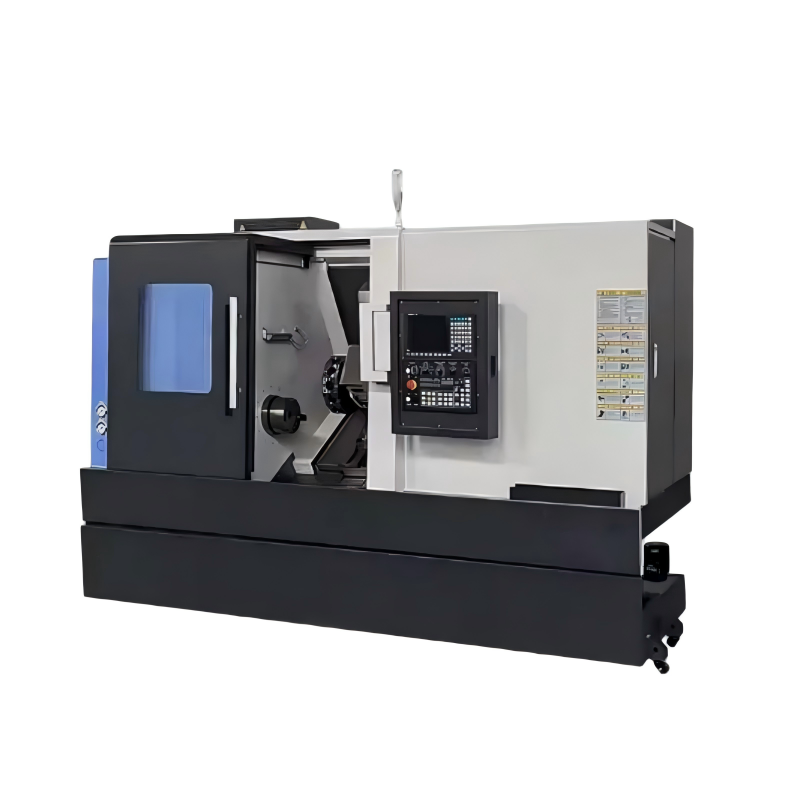
A 2-axis CNC lathe is designed to perform operations along two primary axes: X (horizontal) and Z (vertical). This configuration, although simpler than its multi-axis counterparts, provides a robust solution for many machining tasks, especially those involving cylindrical parts. The X-axis controls the movement of the tool from side to side, while the Z-axis handles the motion of the spindle. This setup allows for efficient turning, facing, and threading operations, making it a versatile choice for various industries.
The simplicity of a 2-axis CNC lathe also translates into lower initial costs and easier maintenance, which are significant advantages for small to medium-sized enterprises (SMEs) looking to invest in CNC technology. However, it is essential to understand the limitations of a 2-axis machine, such as the inability to perform complex contouring or multi-sided machining, which may require a multi-axis CNC workcell.
Optimizing Machine Setup and Programming for Efficiency
To maximize the productivity of a 2-axis CNC lathe, it is crucial to optimize both the machine setup and the programming process. Efficient setup involves minimizing the time required to change tools, fixtures, and materials. This can be achieved by using quick-change tooling systems and modular fixturing solutions that allow for rapid reconfiguration of the work area. Additionally, standardizing tool and fixture designs can further streamline the setup process, reducing downtime and increasing overall throughput.
Programming is another critical aspect of optimizing a 2-axis CNC lathe. Modern CAD/CAM software enables the creation of highly efficient toolpaths that minimize cutting time and reduce wear on the tool. By leveraging advanced features such as adaptive milling, high-speed machining, and toolpath optimization, manufacturers can achieve faster cycle times and higher part accuracy. Furthermore, integrating simulation tools into the programming workflow allows for virtual testing of the machining process, helping to identify and resolve potential issues before they impact production.
Implementing Lean Manufacturing Principles
Lean manufacturing principles can significantly enhance the productivity of a 2-axis CNC lathe. These principles focus on eliminating waste, improving flow, and continuously refining processes. One of the core tenets of lean manufacturing is the concept of "just-in-time" (JIT) production, which aims to produce only what is needed, when it is needed, and in the quantities required. By implementing JIT, manufacturers can reduce inventory levels, minimize storage costs, and improve cash flow.
Another key aspect of lean manufacturing is the use of 5S (Sort, Set in Order, Shine, Standardize, Sustain) methodology to maintain a clean, organized, and efficient work environment. A well-organized workspace not only improves safety but also reduces the time spent searching for tools and materials, leading to more productive operations. Additionally, regular maintenance and preventive care of the 2-axis CNC lathe are essential to ensure its longevity and optimal performance. By adhering to a structured maintenance schedule, manufacturers can prevent unexpected breakdowns and downtime, thereby maintaining consistent productivity.
Integrating Automation and Advanced Technologies
Automation and advanced technologies play a vital role in enhancing the productivity of a 2-axis CNC lathe. Automated loading and unloading systems, such as robotic arms and conveyors, can significantly reduce the time required for material handling, allowing for continuous, unattended operation. This not only increases the machine's uptime but also frees up operators to focus on more value-added tasks, such as quality control and process improvement.
Furthermore, integrating advanced monitoring and data analytics tools can provide real-time insights into the performance of the 2-axis CNC lathe. These tools can track key metrics such as cycle times, tool wear, and machine health, enabling proactive maintenance and process optimization. For example, predictive maintenance algorithms can analyze data to forecast when a tool is likely to fail, allowing for timely replacement and preventing unplanned downtime. Additionally, machine learning and artificial intelligence (AI) can be used to optimize toolpaths and cutting parameters, further enhancing the efficiency and accuracy of the machining process.
Conclusion
An Economic 2-Axis CNC Lathe, when properly optimized and integrated with lean manufacturing principles and advanced technologies, can be a powerful tool for maximizing productivity in a cost-effective manner. By focusing on efficient setup and programming, implementing lean practices, and leveraging automation and data analytics, manufacturers can achieve higher throughput, improved part quality, and reduced operational costs. While a 2-axis CNC lathe may have limitations compared to a multi-axis CNC workcell, it remains a valuable and versatile solution for many machining applications, particularly for SMEs looking to stay competitive in the modern manufacturing landscape.
 23/06/2026



