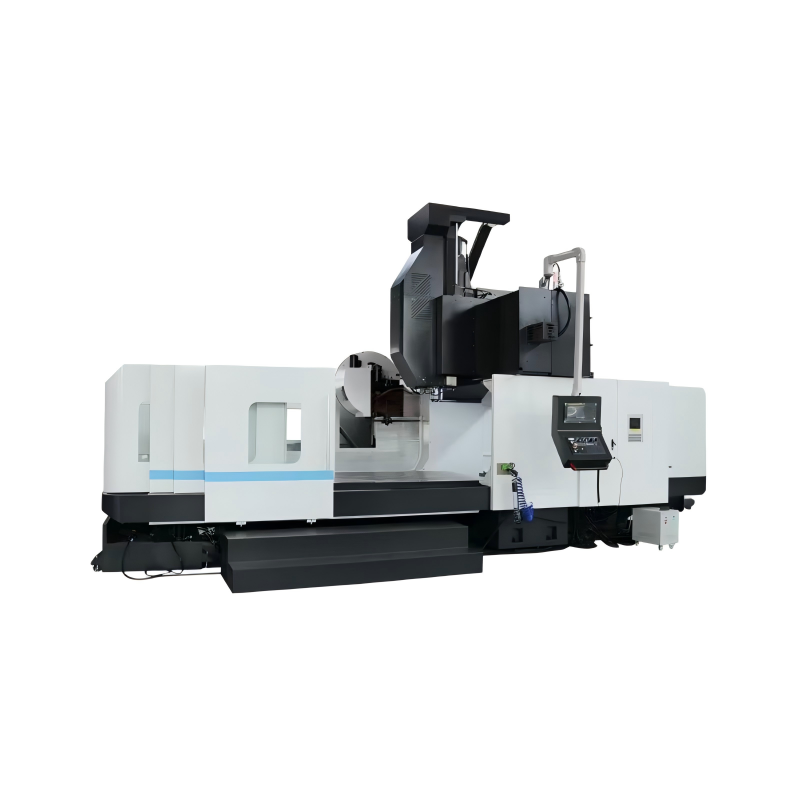
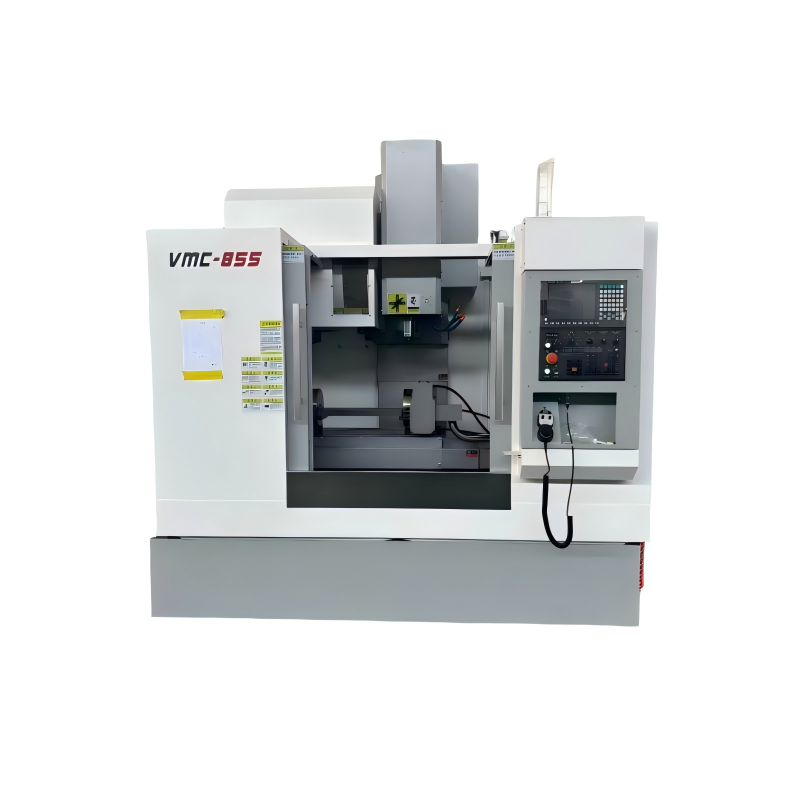
In the realm of advanced manufacturing, a multi-axis CNC workcell stands out as an essential tool for producing complex and precise components. This technical report aims to provide best practices for operating such a system, ensuring optimal performance, longevity, and safety. By adhering to these guidelines, operators can enhance productivity, minimize downtime, and achieve consistent quality in their machining processes. The document covers key aspects including initial setup, maintenance, programming, and operational strategies, all aimed at maximizing the efficiency and reliability of a multi-axis CNC workcell.
Proper calibration and alignment are crucial for the accurate operation of a multi-axis CNC workcell. Misalignment can lead to inaccuracies in the final product, increased wear on machine components, and potential safety hazards. To ensure precision, follow the manufacturer’s guidelines for setting up the workcell. Use high-precision measuring tools and perform regular checks to maintain alignment. Additionally, consider using laser alignment systems to achieve even higher levels of accuracy.
The choice of tooling and fixtures is critical for the success of any CNC operation. High-quality, well-maintained tools and fixtures not only improve the quality of the finished product but also extend the life of the workcell. When selecting tools, consider factors such as material compatibility, cutting speed, and tool life. For fixtures, ensure they are robust, easy to set up, and capable of securely holding the workpiece during machining. Regularly inspect and replace worn or damaged tooling and fixtures to maintain optimal performance.
A well-maintained multi-axis CNC workcell operates more efficiently and has a longer lifespan. Implement a preventive maintenance schedule that includes regular cleaning, lubrication, and inspection of all moving parts. Follow the manufacturer’s recommendations for maintenance intervals and procedures. Keep detailed records of all maintenance activities to track the condition of the workcell and identify any recurring issues. This proactive approach helps to prevent unexpected breakdowns and reduces the need for costly repairs.
Advanced condition monitoring and diagnostic tools can help detect potential issues before they become critical. Technologies such as vibration analysis, thermal imaging, and predictive analytics can provide valuable insights into the health of the workcell. Integrate these tools into your maintenance routine to monitor key parameters and identify early signs of wear or malfunction. By addressing these issues promptly, you can avoid unplanned downtime and maintain the highest level of operational efficiency.
Efficient toolpaths are essential for minimizing machining time and improving surface finish. Utilize advanced CAM software to generate optimized toolpaths that reduce rapid movements and optimize cutting conditions. Consider factors such as tool geometry, workpiece material, and desired surface finish when creating toolpaths. Simulate the toolpaths in the software to identify and correct any potential issues before running the program on the workcell. This will help to ensure smooth and efficient operation, reducing cycle times and improving overall productivity.
Proper tuning of cutting parameters is crucial for achieving the desired results. Parameters such as feed rate, spindle speed, and depth of cut must be carefully selected based on the specific requirements of the job. Use data from previous runs and industry best practices to fine-tune these parameters. Additionally, consider implementing adaptive control systems that automatically adjust cutting parameters in real-time based on the feedback from the workcell. This dynamic optimization ensures consistent performance and extends the life of the tools and workcell.
Well-trained operators are essential for the safe and efficient operation of a multi-axis CNC workcell. Provide comprehensive training on the proper use of the workcell, including setup, operation, and troubleshooting. Emphasize the importance of following safety protocols, such as wearing appropriate personal protective equipment (PPE) and adhering to lockout/tagout procedures. Regularly review and update training materials to reflect any changes in the workcell or new safety regulations. A well-informed and trained workforce is key to maintaining a safe and productive work environment.
Accurate documentation and record-keeping are vital for maintaining the integrity and traceability of the machining process. Maintain detailed records of all operations, including setup parameters, tooling used, and any adjustments made during the run. This information is invaluable for troubleshooting, quality control, and continuous improvement. Use digital tools and software to streamline the documentation process and ensure that all relevant data is easily accessible. Regularly review and analyze these records to identify trends, optimize processes, and make data-driven decisions.
Lean manufacturing principles can significantly enhance the efficiency and effectiveness of a multi-axis CNC workcell. Focus on eliminating waste, reducing setup times, and improving workflow. Techniques such as 5S (Sort, Set in Order, Shine, Standardize, Sustain) and Kaizen (continuous improvement) can help to create a more organized and efficient work environment. Regularly conduct audits and reviews to identify areas for improvement and implement changes that drive productivity and quality.
The field of CNC machining is constantly evolving, with new technologies and techniques emerging regularly. Stay informed about the latest advancements in multi-axis CNC workcells, including new materials, cutting tools, and automation solutions. Attend industry conferences, participate in training programs, and engage with professional networks to stay up-to-date with the latest trends and best practices. By embracing innovation and staying ahead of the curve, you can ensure that your multi-axis CNC workcell remains at the forefront of manufacturing excellence.
 08/06/2026
In the realm of modern manufacturing, multi-axis CNC workcells have emerged as a game-changing solution for producing complex and precise components. These advanced systems offer unparalleled flexibility and accuracy, making them indispensable in industri
Read More08/06/2026In the realm of advanced manufacturing, multi-axis CNC workcells have become indispensable tools for achieving high precision and flexibility in production processes. These sophisticated machines are designed to handle complex tasks that require multiple
Read More08/06/2026In the realm of custom fabrication, multi-axis CNC workcells have emerged as a transformative technology, offering unparalleled precision, flexibility, and efficiency. This report delves into the benefits of integrating multi-axis CNC workcells into custo
Read More08/06/2026In the realm of modern manufacturing, multi-axis CNC workcells stand out as a pinnacle of precision and efficiency. These sophisticated systems, capable of moving along multiple axes, are crucial for producing complex parts with high accuracy. However, th
Read More07/06/2026Exploring the Benefits of Multi-Axis CNC Workcells delves into the transformative impact of multi-axis CNC (Computer Numerical Control) workcells on modern manufacturing. This report highlights how these advanced systems not only enhance productivity and
Read More07/06/2026In the realm of modern manufacturing, the integration of advanced multi-axis CNC workcells has become a pivotal factor in boosting productivity. These sophisticated systems are designed to handle complex machining tasks with precision and efficiency, allo
Read More07/06/2026In the rapidly evolving field of manufacturing, multi-axis CNC workcell technology stands out as a pivotal innovation. This report delves into the advancements in multi-axis CNC workcell technology, exploring how these systems have transformed production
Read More07/06/2026In today's competitive manufacturing landscape, the efficiency and flexibility of production processes are paramount. This technical report delves into the optimization of multi-axis CNC workcell configurations to maximize output, focusing on how strategi
Read More07/06/2026Implementing a multi-axis CNC workcell is an endeavor that requires careful planning, technical expertise, and a thorough understanding of the manufacturing process. This report delves into the intricacies of setting up such a system, highlighting the key
Read More06/06/2026In the modern manufacturing landscape, multi-axis CNC workcells have emerged as a pivotal technology, revolutionizing the way products are designed, prototyped, and mass-produced. These advanced systems, capable of manipulating tools along multiple axes s
Read More06/06/2026Multi-axis CNC workcells are essential in modern manufacturing for their ability to perform complex operations with high precision and efficiency. However, maintaining these sophisticated machines is crucial to ensure they operate at optimal performance l
Read More06/06/2026Integrating a multi-axis CNC workcell into an existing production line can significantly enhance the efficiency, precision, and flexibility of manufacturing processes. This technical report delves into the various aspects of incorporating such advanced ma
Read More06/06/2026In the aerospace industry, where precision and efficiency are paramount, integrating multi-axis CNC workcells has become a key strategy for enhancing productivity. This report explores how these advanced manufacturing systems can be seamlessly integrated
Read More06/06/2026In today's fast-paced manufacturing environment, the adoption of advanced multi-axis CNC workcells is pivotal for enhancing both efficiency and accuracy. These sophisticated systems not only streamline production processes but also significantly reduce er
Read More05/06/2026In the realm of advanced manufacturing, the multi-axis CNC workcell stands out as a pinnacle of precision and versatility. This report delves into the capabilities of such a system, exploring its potential to transform production processes through enhance
Read More05/06/2026In the realm of modern manufacturing, precision and efficiency are paramount. The integration of multi-axis CNC workcells has revolutionized how complex parts are machined, offering unparalleled accuracy and versatility. This report delves into the transf
Read More05/06/2026In this comprehensive guide, we will delve into the intricate world of multi-axis CNC workcells, providing an in-depth look at their design, functionality, and applications. The multi-axis CNC workcell is a sophisticated manufacturing system that enables
Read More05/06/2026A Comprehensive Guide to Choosing the Right Multi-Axis CNC Workcell offers an in-depth analysis of the key factors that influence the selection process for multi-axis CNC workcells. This guide is designed to help manufacturers and engineers make informed
Read More05/06/2026In the rapidly evolving landscape of automotive manufacturing, multi-axis CNC workcells have emerged as a transformative force, significantly enhancing production efficiency, precision, and flexibility. These advanced systems are not only revolutionizing
Read More04/06/2026With the rapid advancements in manufacturing technology, multi-axis CNC workcells have emerged as a game-changer, transforming industries by enhancing productivity, precision, and flexibility. These advanced systems are capable of performing complex opera
Read More04/06/2026In the realm of modern manufacturing, multi-axis CNC workcells have emerged as a transformative force, reshaping how products are designed and produced. These advanced systems, which combine multiple axes of motion with computer numerical control (CNC), o
Read More04/06/2026In the realm of advanced manufacturing, the multi-axis CNC workcell stands out as a beacon of precision and flexibility. This technology integrates multiple axes of movement, allowing for complex geometries to be machined with unparalleled accuracy. The m
Read More04/06/2026In the rapidly evolving landscape of manufacturing, the integration of advanced technologies such as multi-axis CNC workcells is reshaping the industry. These sophisticated systems are not only enhancing productivity and precision but also enabling manufa
Read More04/06/2026In today's competitive manufacturing landscape, maximizing efficiency is crucial for staying ahead. A multi-axis CNC workcell offers a powerful solution to enhance productivity and precision. This report explores the benefits of integrating a multi-axis C
Read More04/06/2026In the rapidly evolving landscape of manufacturing, multi-axis CNC (Computer Numerical Control) workcells are emerging as a transformative force. These advanced systems offer unparalleled precision, flexibility, and efficiency, making them indispensable i
Read More04/06/2026In today's manufacturing landscape, the selection of an appropriate multi-axis CNC workcell is critical for enhancing productivity, precision, and flexibility. This technical report aims to guide manufacturers through the process of choosing the right mul
Read More04/06/2026In today's fast-paced manufacturing environment, the integration of a multi-axis CNC workcell can significantly enhance productivity and efficiency. This report delves into how adopting such advanced machinery not only optimizes production processes but a
Read More04/06/2026In the rapidly evolving landscape of precision machining, the multi-axis CNC workcell stands out as a transformative technology. This advanced manufacturing solution not only enhances the efficiency and accuracy of production processes but also opens up n
Read More04/06/2026In the rapidly evolving landscape of modern manufacturing, the integration of multi-axis CNC workcells has become a game-changer. These advanced systems offer unparalleled precision, flexibility, and efficiency, enabling manufacturers to produce complex p
Read MoreOur professional sales team is always ready to assist you.