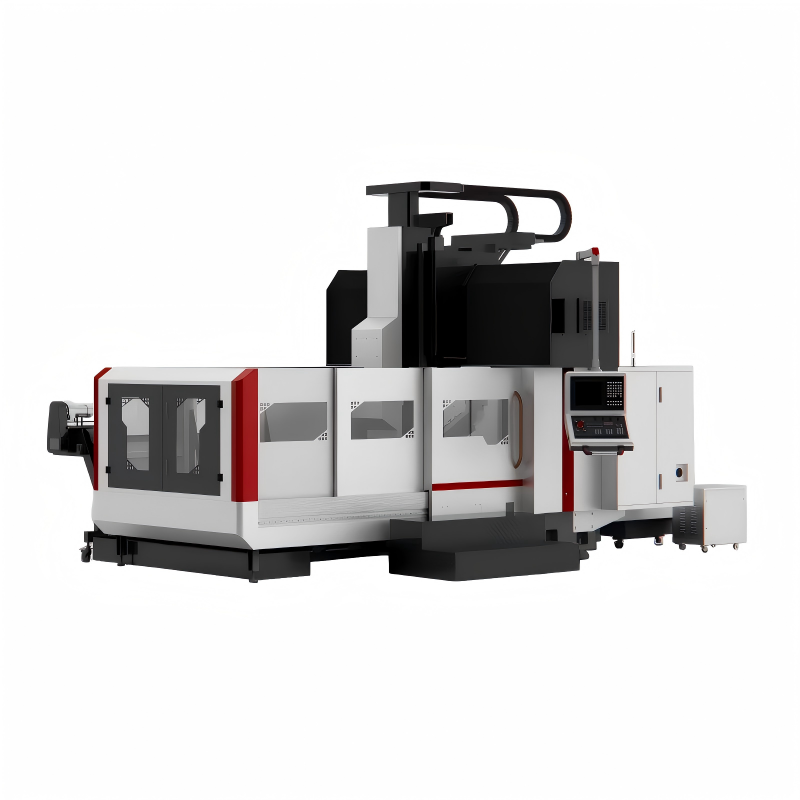
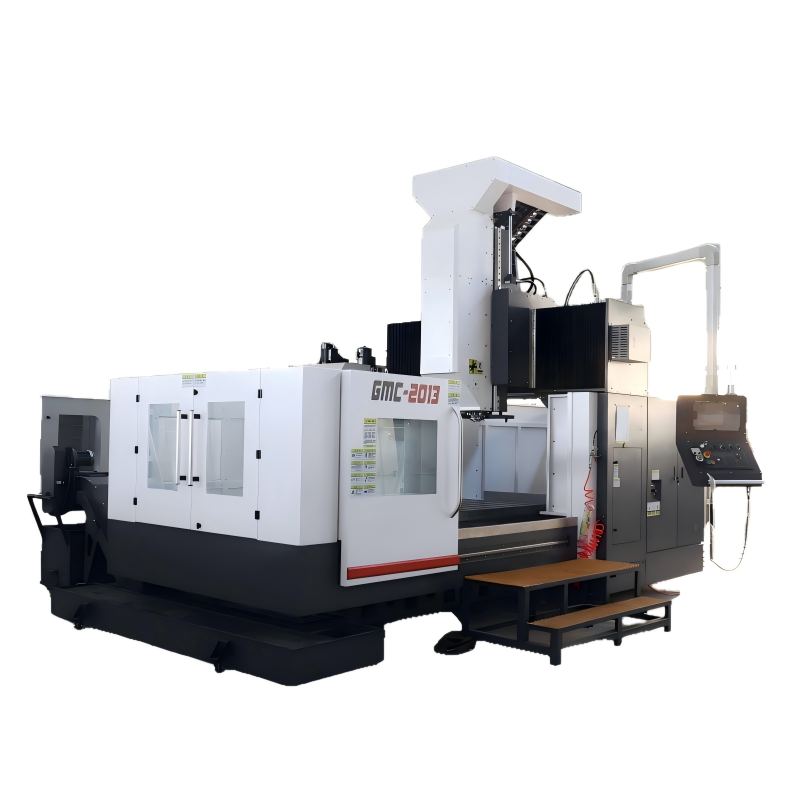
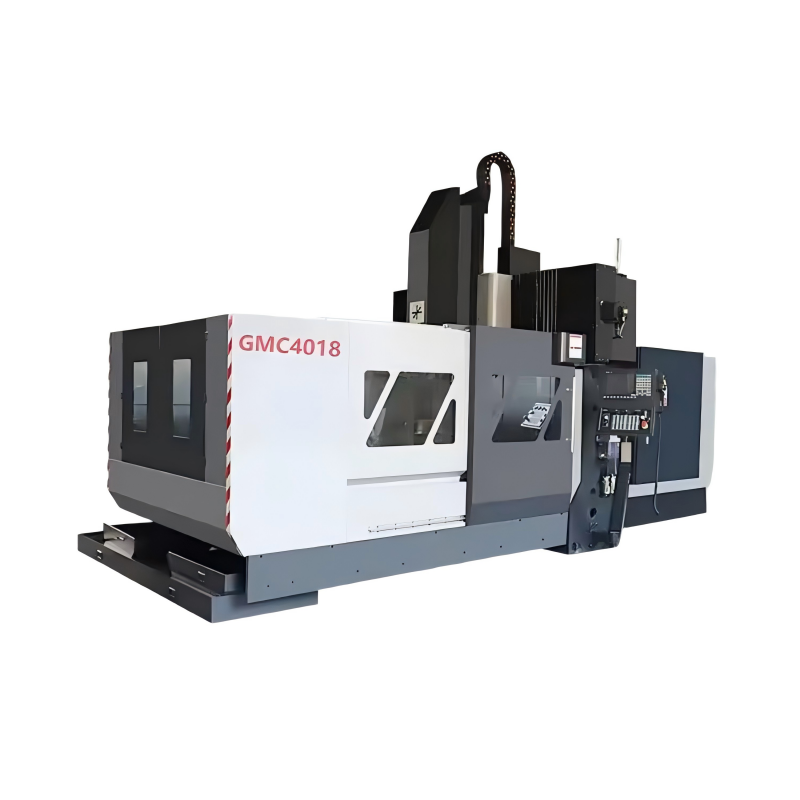
Exploring the Benefits of Multi-Axis CNC Workcells delves into the transformative impact of multi-axis CNC (Computer Numerical Control) workcells on modern manufacturing. This report highlights how these advanced systems not only enhance productivity and precision but also open up new possibilities in design and production, making them indispensable for industries seeking to stay ahead. The discussion covers several key areas, including improvements in operational efficiency, flexibility, and cost-effectiveness, alongside the challenges and solutions associated with their implementation. By examining case studies and real-world applications, this technical overview aims to provide a comprehensive understanding of the advantages that multi-axis CNC workcells bring to the table.
One of the most significant benefits of implementing a multi-axis CNC workcell is the dramatic reduction in setup times. Traditional machining processes often require multiple setups to complete a part, which can be time-consuming and labor-intensive. A multi-axis CNC workcell, however, can perform complex operations in a single setup, minimizing downtime and increasing overall throughput. This streamlined process not only speeds up production but also reduces the likelihood of errors, as parts are handled less frequently.
Multi-axis CNC workcells are designed with advanced automation features, allowing for continuous operation with minimal human intervention. These systems can integrate with other automated equipment, such as robotic arms and material handling systems, to create a fully automated production line. This level of automation not only boosts productivity but also ensures consistent quality, as the machines operate with high precision and repeatability. Additionally, the reduced need for manual labor can lead to cost savings and improved safety in the workplace.
The ability to produce parts with complex geometries and tight tolerances is a hallmark of multi-axis CNC workcells. These machines can move along multiple axes simultaneously, enabling the creation of intricate shapes and features that would be difficult or impossible to achieve with traditional 3-axis machines. This capability is particularly valuable in industries such as aerospace, medical devices, and automotive, where precision and accuracy are paramount. The ability to produce high-quality, complex parts in a single setup also reduces the risk of cumulative errors that can occur when parts are moved between different machines.
Multi-axis CNC workcells are equipped with advanced control systems and high-precision sensors, ensuring that each part is manufactured to exact specifications. The consistency and repeatability of these machines are unmatched, making them ideal for large-scale production runs where uniformity is critical. This level of precision not only enhances the quality of the final product but also reduces the need for post-processing and inspection, further streamlining the production process. Additionally, the use of advanced software and simulation tools allows for the optimization of toolpaths and cutting parameters, further enhancing the overall quality of the parts produced.
Multi-axis CNC workcells are capable of processing a wide variety of materials, from metals and plastics to composites and exotic alloys. This versatility makes them suitable for a broad range of applications across different industries. For example, in the aerospace industry, these machines can handle the machining of lightweight, high-strength materials used in aircraft components. In the medical field, they can be used to produce intricate surgical instruments and implants. The ability to work with diverse materials allows manufacturers to adapt to changing market demands and explore new product opportunities without the need for extensive retooling or additional equipment.
Another key advantage of multi-axis CNC workcells is their adaptability to different production needs. These machines can be easily reprogrammed and reconfigured to handle a variety of tasks, from prototyping and small-batch production to large-scale manufacturing. This flexibility is particularly valuable in industries where product designs and production volumes can change rapidly. For instance, in the automotive industry, multi-axis CNC workcells can be used to quickly switch between different part designs, enabling manufacturers to respond to market trends and customer preferences more efficiently. The ability to adapt to changing production requirements also reduces the need for dedicated machinery, leading to cost savings and improved resource utilization.
One of the most significant cost-saving benefits of multi-axis CNC workcells is the reduction in labor costs. These highly automated systems can perform multiple operations with minimal human intervention, reducing the need for skilled operators and technicians. This not only lowers direct labor costs but also minimizes the risk of human error, which can lead to costly rework and scrap. Additionally, the increased efficiency and productivity of multi-axis CNC workcells can result in higher output levels, further driving down the per-unit cost of production. Over time, these cost savings can contribute to a substantial return on investment, making multi-axis CNC workcells a financially sound choice for many manufacturers.
Multi-axis CNC workcells are designed to optimize material usage and minimize waste. Advanced software and simulation tools allow for the precise planning of toolpaths and cutting strategies, ensuring that the maximum amount of material is utilized. This not only reduces material costs but also decreases the environmental impact of the manufacturing process. Furthermore, the high precision and repeatability of these machines lead to lower scrap rates, as parts are consistently produced within tight tolerances. The combination of reduced material waste and lower scrap rates can significantly improve the overall cost-effectiveness of the production process, contributing to a faster return on investment.
One of the primary challenges in implementing a multi-axis CNC workcell is the high initial investment required. These advanced systems come with a significant upfront cost, which can be a barrier for smaller manufacturers. However, the long-term benefits, such as increased productivity and cost savings, often justify the investment. To mitigate the financial burden, manufacturers can consider financing options, government grants, and tax incentives. Additionally, the successful implementation of a multi-axis CNC workcell requires a well-trained workforce. Providing comprehensive training programs for operators and maintenance personnel is essential to ensure that the system is used effectively and maintained properly. Many machine manufacturers offer training and support services to help customers get the most out of their investment.
Integrating a multi-axis CNC workcell into an existing manufacturing environment can present several challenges. Compatibility with existing software, hardware, and workflows must be carefully considered to ensure seamless integration. One solution is to work closely with the machine manufacturer and third-party integrators to develop a customized implementation plan. This may include the development of custom interfaces, the modification of existing processes, and the adoption of new software tools. Another key consideration is the physical layout of the manufacturing facility. Multi-axis CNC workcells often require more space than traditional machines, and careful planning is necessary to ensure that the new system fits within the available footprint. By addressing these integration challenges proactively, manufacturers can maximize the benefits of their multi-axis CNC workcell and achieve a smooth transition to more advanced manufacturing capabilities.
 08/06/2026
In the realm of advanced manufacturing, a multi-axis CNC workcell stands out as an essential tool for producing complex and precise components. This technical report aims to provide best practices for operating such a system, ensuring optimal performance,
Read More08/06/2026In the realm of modern manufacturing, multi-axis CNC workcells have emerged as a game-changing solution for producing complex and precise components. These advanced systems offer unparalleled flexibility and accuracy, making them indispensable in industri
Read More08/06/2026In the realm of advanced manufacturing, multi-axis CNC workcells have become indispensable tools for achieving high precision and flexibility in production processes. These sophisticated machines are designed to handle complex tasks that require multiple
Read More08/06/2026In the realm of custom fabrication, multi-axis CNC workcells have emerged as a transformative technology, offering unparalleled precision, flexibility, and efficiency. This report delves into the benefits of integrating multi-axis CNC workcells into custo
Read More08/06/2026In the realm of modern manufacturing, multi-axis CNC workcells stand out as a pinnacle of precision and efficiency. These sophisticated systems, capable of moving along multiple axes, are crucial for producing complex parts with high accuracy. However, th
Read More07/06/2026In the realm of modern manufacturing, the integration of advanced multi-axis CNC workcells has become a pivotal factor in boosting productivity. These sophisticated systems are designed to handle complex machining tasks with precision and efficiency, allo
Read More07/06/2026In the rapidly evolving field of manufacturing, multi-axis CNC workcell technology stands out as a pivotal innovation. This report delves into the advancements in multi-axis CNC workcell technology, exploring how these systems have transformed production
Read More07/06/2026In today's competitive manufacturing landscape, the efficiency and flexibility of production processes are paramount. This technical report delves into the optimization of multi-axis CNC workcell configurations to maximize output, focusing on how strategi
Read More07/06/2026Implementing a multi-axis CNC workcell is an endeavor that requires careful planning, technical expertise, and a thorough understanding of the manufacturing process. This report delves into the intricacies of setting up such a system, highlighting the key
Read More06/06/2026In the modern manufacturing landscape, multi-axis CNC workcells have emerged as a pivotal technology, revolutionizing the way products are designed, prototyped, and mass-produced. These advanced systems, capable of manipulating tools along multiple axes s
Read More06/06/2026Multi-axis CNC workcells are essential in modern manufacturing for their ability to perform complex operations with high precision and efficiency. However, maintaining these sophisticated machines is crucial to ensure they operate at optimal performance l
Read More06/06/2026Integrating a multi-axis CNC workcell into an existing production line can significantly enhance the efficiency, precision, and flexibility of manufacturing processes. This technical report delves into the various aspects of incorporating such advanced ma
Read More06/06/2026In the aerospace industry, where precision and efficiency are paramount, integrating multi-axis CNC workcells has become a key strategy for enhancing productivity. This report explores how these advanced manufacturing systems can be seamlessly integrated
Read More06/06/2026In today's fast-paced manufacturing environment, the adoption of advanced multi-axis CNC workcells is pivotal for enhancing both efficiency and accuracy. These sophisticated systems not only streamline production processes but also significantly reduce er
Read More05/06/2026In the realm of advanced manufacturing, the multi-axis CNC workcell stands out as a pinnacle of precision and versatility. This report delves into the capabilities of such a system, exploring its potential to transform production processes through enhance
Read More05/06/2026In the realm of modern manufacturing, precision and efficiency are paramount. The integration of multi-axis CNC workcells has revolutionized how complex parts are machined, offering unparalleled accuracy and versatility. This report delves into the transf
Read More05/06/2026In this comprehensive guide, we will delve into the intricate world of multi-axis CNC workcells, providing an in-depth look at their design, functionality, and applications. The multi-axis CNC workcell is a sophisticated manufacturing system that enables
Read More05/06/2026A Comprehensive Guide to Choosing the Right Multi-Axis CNC Workcell offers an in-depth analysis of the key factors that influence the selection process for multi-axis CNC workcells. This guide is designed to help manufacturers and engineers make informed
Read More05/06/2026In the rapidly evolving landscape of automotive manufacturing, multi-axis CNC workcells have emerged as a transformative force, significantly enhancing production efficiency, precision, and flexibility. These advanced systems are not only revolutionizing
Read More04/06/2026With the rapid advancements in manufacturing technology, multi-axis CNC workcells have emerged as a game-changer, transforming industries by enhancing productivity, precision, and flexibility. These advanced systems are capable of performing complex opera
Read More04/06/2026In the realm of modern manufacturing, multi-axis CNC workcells have emerged as a transformative force, reshaping how products are designed and produced. These advanced systems, which combine multiple axes of motion with computer numerical control (CNC), o
Read More04/06/2026In the realm of advanced manufacturing, the multi-axis CNC workcell stands out as a beacon of precision and flexibility. This technology integrates multiple axes of movement, allowing for complex geometries to be machined with unparalleled accuracy. The m
Read More04/06/2026In the rapidly evolving landscape of manufacturing, the integration of advanced technologies such as multi-axis CNC workcells is reshaping the industry. These sophisticated systems are not only enhancing productivity and precision but also enabling manufa
Read More04/06/2026In today's competitive manufacturing landscape, maximizing efficiency is crucial for staying ahead. A multi-axis CNC workcell offers a powerful solution to enhance productivity and precision. This report explores the benefits of integrating a multi-axis C
Read More04/06/2026In the rapidly evolving landscape of manufacturing, multi-axis CNC (Computer Numerical Control) workcells are emerging as a transformative force. These advanced systems offer unparalleled precision, flexibility, and efficiency, making them indispensable i
Read More04/06/2026In today's manufacturing landscape, the selection of an appropriate multi-axis CNC workcell is critical for enhancing productivity, precision, and flexibility. This technical report aims to guide manufacturers through the process of choosing the right mul
Read More04/06/2026In today's fast-paced manufacturing environment, the integration of a multi-axis CNC workcell can significantly enhance productivity and efficiency. This report delves into how adopting such advanced machinery not only optimizes production processes but a
Read More04/06/2026In the rapidly evolving landscape of precision machining, the multi-axis CNC workcell stands out as a transformative technology. This advanced manufacturing solution not only enhances the efficiency and accuracy of production processes but also opens up n
Read More04/06/2026In the rapidly evolving landscape of modern manufacturing, the integration of multi-axis CNC workcells has become a game-changer. These advanced systems offer unparalleled precision, flexibility, and efficiency, enabling manufacturers to produce complex p
Read MoreOur professional sales team is always ready to assist you.