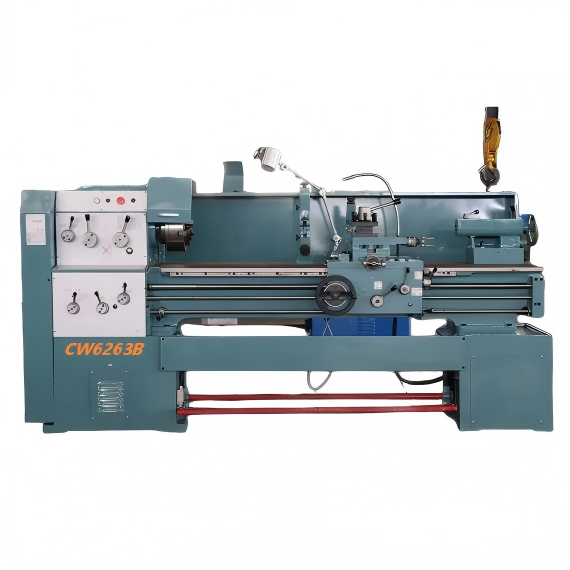
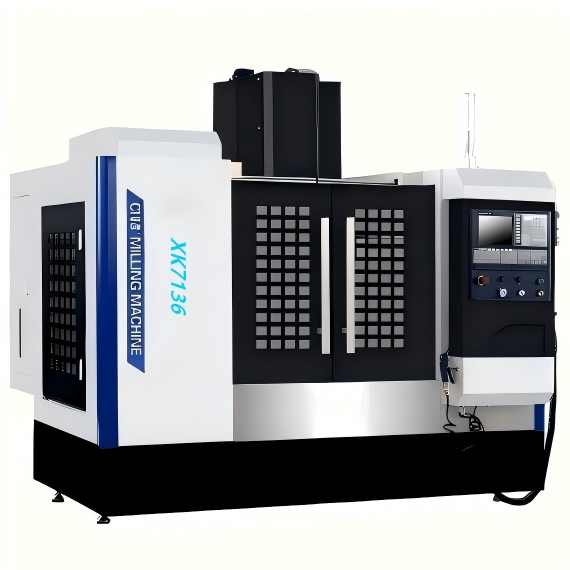
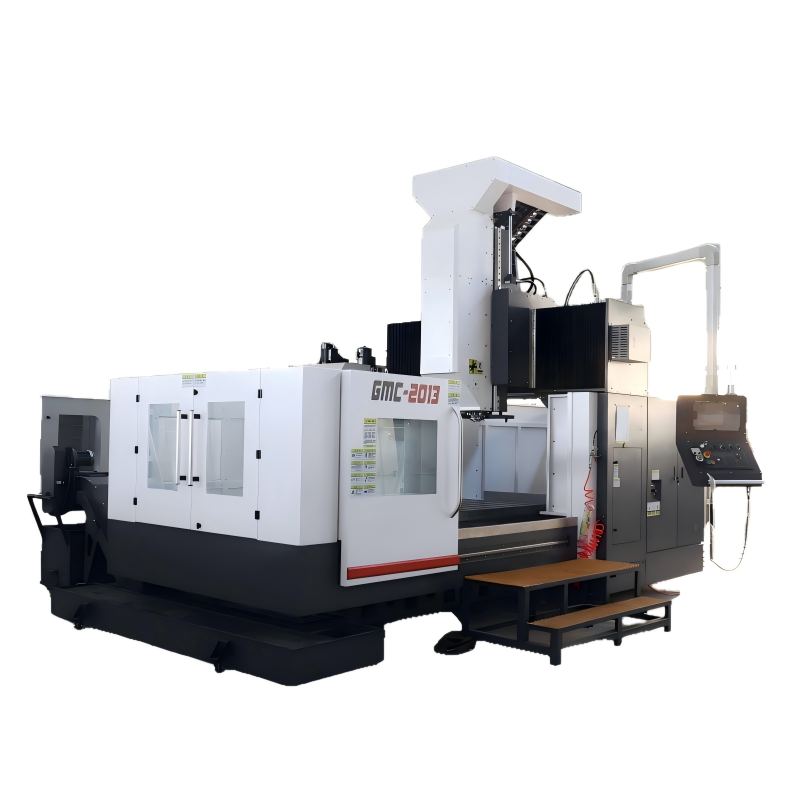
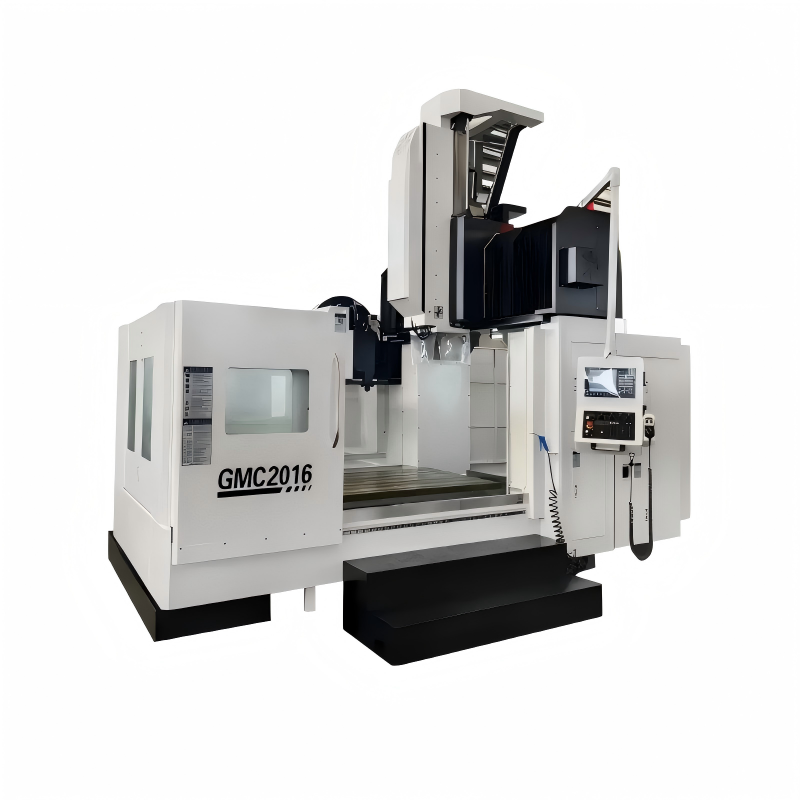
In the realm of modern manufacturing, the integration of advanced technologies has become a cornerstone for enhancing productivity and maintaining competitiveness. One such technology that stands out is the multi-axis CNC workcell. This article delves into how a fully automatic horizontal CNC Lathe can maximize efficiency in manufacturing processes, focusing on key aspects such as automation, precision, and versatility.
Automation is at the heart of any efficient manufacturing process. In the context of a Fully automatic horizontal CNC lathe, automation enables the machine to perform complex operations with minimal human intervention. This not only reduces the likelihood of human error but also significantly increases the speed and consistency of production. By automating the loading and unloading of parts, tool changes, and other repetitive tasks, the lathe can operate continuously, leading to higher throughput and lower operational costs.
Moreover, the integration of robotics and automated material handling systems further enhances the capabilities of the CNC lathe. These systems can be programmed to work seamlessly with the lathe, ensuring a smooth and uninterrupted flow of materials and components. The result is a highly efficient and reliable manufacturing process that can meet the demands of high-volume production while maintaining stringent quality standards.
One of the most significant advantages of a multi-axis CNC workcell is its ability to achieve unparalleled precision and consistency. A fully automatic horizontal CNC lathe equipped with multiple axes can perform a wide range of machining operations, including turning, milling, drilling, and threading, all within a single setup. This capability eliminates the need for multiple machines and setups, reducing the potential for errors and improving overall accuracy.
The multi-axis configuration allows for the simultaneous control of multiple tool paths, enabling the lathe to produce complex geometries and intricate designs with ease. Additionally, the use of advanced software and programming tools ensures that the machine can execute even the most demanding tasks with precision. This level of accuracy is crucial in industries where tight tolerances and high-quality finishes are essential, such as aerospace, automotive, and medical device manufacturing.
Another critical aspect of a fully automatic horizontal CNC lathe is its versatility and flexibility. The ability to adapt to different production requirements and handle a variety of materials and part sizes makes it an invaluable asset in any manufacturing environment. With the right tooling and programming, the lathe can switch between different jobs quickly and efficiently, minimizing downtime and maximizing productivity.
The multi-axis CNC workcell also offers the flexibility to integrate additional features and functionalities, such as live tooling, Y-axis capabilities, and sub-spindle options. These enhancements expand the lathe's capabilities, allowing it to perform a broader range of operations and handle more complex parts. This versatility is particularly beneficial in dynamic manufacturing environments where product lines and production volumes can change rapidly.
Maintenance is a critical factor in ensuring the long-term reliability and performance of a fully automatic horizontal CNC lathe. Regular maintenance and timely repairs are essential to prevent unexpected breakdowns and minimize downtime. Modern CNC lathes are equipped with advanced diagnostic and monitoring systems that can detect potential issues before they become major problems. These systems provide real-time data on the machine's performance, allowing operators to schedule maintenance activities proactively and optimize the overall efficiency of the workcell.
Additionally, the modular design of many CNC lathes simplifies the replacement and repair of components, reducing the time and effort required for maintenance. This modularity, combined with the availability of spare parts and technical support from manufacturers, ensures that the lathe remains in optimal condition, ready to meet the demands of high-volume production.
The integration of a fully automatic horizontal CNC lathe with a multi-axis CNC workcell represents a significant step forward in modern manufacturing. By leveraging automation, precision, and versatility, this advanced technology can dramatically enhance productivity, reduce costs, and improve the overall quality of manufactured products. As the manufacturing industry continues to evolve, the adoption of such innovative solutions will be crucial for companies seeking to stay competitive and meet the growing demands of their customers.
 08/06/2026
In the realm of advanced manufacturing, a multi-axis CNC workcell stands out as an essential tool for producing complex and precise components. This technical report aims to provide best practices for operating such a system, ensuring optimal performance,
Read More08/06/2026In the realm of modern manufacturing, multi-axis CNC workcells have emerged as a game-changing solution for producing complex and precise components. These advanced systems offer unparalleled flexibility and accuracy, making them indispensable in industri
Read More08/06/2026In the realm of advanced manufacturing, multi-axis CNC workcells have become indispensable tools for achieving high precision and flexibility in production processes. These sophisticated machines are designed to handle complex tasks that require multiple
Read More08/06/2026In the realm of custom fabrication, multi-axis CNC workcells have emerged as a transformative technology, offering unparalleled precision, flexibility, and efficiency. This report delves into the benefits of integrating multi-axis CNC workcells into custo
Read More08/06/2026In the realm of modern manufacturing, multi-axis CNC workcells stand out as a pinnacle of precision and efficiency. These sophisticated systems, capable of moving along multiple axes, are crucial for producing complex parts with high accuracy. However, th
Read More07/06/2026Exploring the Benefits of Multi-Axis CNC Workcells delves into the transformative impact of multi-axis CNC (Computer Numerical Control) workcells on modern manufacturing. This report highlights how these advanced systems not only enhance productivity and
Read More07/06/2026In the realm of modern manufacturing, the integration of advanced multi-axis CNC workcells has become a pivotal factor in boosting productivity. These sophisticated systems are designed to handle complex machining tasks with precision and efficiency, allo
Read More07/06/2026In the rapidly evolving field of manufacturing, multi-axis CNC workcell technology stands out as a pivotal innovation. This report delves into the advancements in multi-axis CNC workcell technology, exploring how these systems have transformed production
Read More07/06/2026In today's competitive manufacturing landscape, the efficiency and flexibility of production processes are paramount. This technical report delves into the optimization of multi-axis CNC workcell configurations to maximize output, focusing on how strategi
Read More07/06/2026Implementing a multi-axis CNC workcell is an endeavor that requires careful planning, technical expertise, and a thorough understanding of the manufacturing process. This report delves into the intricacies of setting up such a system, highlighting the key
Read More06/06/2026In the modern manufacturing landscape, multi-axis CNC workcells have emerged as a pivotal technology, revolutionizing the way products are designed, prototyped, and mass-produced. These advanced systems, capable of manipulating tools along multiple axes s
Read More06/06/2026Multi-axis CNC workcells are essential in modern manufacturing for their ability to perform complex operations with high precision and efficiency. However, maintaining these sophisticated machines is crucial to ensure they operate at optimal performance l
Read More06/06/2026Integrating a multi-axis CNC workcell into an existing production line can significantly enhance the efficiency, precision, and flexibility of manufacturing processes. This technical report delves into the various aspects of incorporating such advanced ma
Read More06/06/2026In the aerospace industry, where precision and efficiency are paramount, integrating multi-axis CNC workcells has become a key strategy for enhancing productivity. This report explores how these advanced manufacturing systems can be seamlessly integrated
Read More06/06/2026In today's fast-paced manufacturing environment, the adoption of advanced multi-axis CNC workcells is pivotal for enhancing both efficiency and accuracy. These sophisticated systems not only streamline production processes but also significantly reduce er
Read More05/06/2026In the realm of advanced manufacturing, the multi-axis CNC workcell stands out as a pinnacle of precision and versatility. This report delves into the capabilities of such a system, exploring its potential to transform production processes through enhance
Read More05/06/2026In the realm of modern manufacturing, precision and efficiency are paramount. The integration of multi-axis CNC workcells has revolutionized how complex parts are machined, offering unparalleled accuracy and versatility. This report delves into the transf
Read More05/06/2026In this comprehensive guide, we will delve into the intricate world of multi-axis CNC workcells, providing an in-depth look at their design, functionality, and applications. The multi-axis CNC workcell is a sophisticated manufacturing system that enables
Read More05/06/2026A Comprehensive Guide to Choosing the Right Multi-Axis CNC Workcell offers an in-depth analysis of the key factors that influence the selection process for multi-axis CNC workcells. This guide is designed to help manufacturers and engineers make informed
Read More05/06/2026In the rapidly evolving landscape of automotive manufacturing, multi-axis CNC workcells have emerged as a transformative force, significantly enhancing production efficiency, precision, and flexibility. These advanced systems are not only revolutionizing
Read More04/06/2026With the rapid advancements in manufacturing technology, multi-axis CNC workcells have emerged as a game-changer, transforming industries by enhancing productivity, precision, and flexibility. These advanced systems are capable of performing complex opera
Read More04/06/2026In the realm of modern manufacturing, multi-axis CNC workcells have emerged as a transformative force, reshaping how products are designed and produced. These advanced systems, which combine multiple axes of motion with computer numerical control (CNC), o
Read More04/06/2026In the realm of advanced manufacturing, the multi-axis CNC workcell stands out as a beacon of precision and flexibility. This technology integrates multiple axes of movement, allowing for complex geometries to be machined with unparalleled accuracy. The m
Read More04/06/2026In the rapidly evolving landscape of manufacturing, the integration of advanced technologies such as multi-axis CNC workcells is reshaping the industry. These sophisticated systems are not only enhancing productivity and precision but also enabling manufa
Read More04/06/2026In today's competitive manufacturing landscape, maximizing efficiency is crucial for staying ahead. A multi-axis CNC workcell offers a powerful solution to enhance productivity and precision. This report explores the benefits of integrating a multi-axis C
Read More04/06/2026In the rapidly evolving landscape of manufacturing, multi-axis CNC (Computer Numerical Control) workcells are emerging as a transformative force. These advanced systems offer unparalleled precision, flexibility, and efficiency, making them indispensable i
Read More04/06/2026In today's manufacturing landscape, the selection of an appropriate multi-axis CNC workcell is critical for enhancing productivity, precision, and flexibility. This technical report aims to guide manufacturers through the process of choosing the right mul
Read More04/06/2026In today's fast-paced manufacturing environment, the integration of a multi-axis CNC workcell can significantly enhance productivity and efficiency. This report delves into how adopting such advanced machinery not only optimizes production processes but a
Read More04/06/2026In the rapidly evolving landscape of precision machining, the multi-axis CNC workcell stands out as a transformative technology. This advanced manufacturing solution not only enhances the efficiency and accuracy of production processes but also opens up n
Read More04/06/2026In the rapidly evolving landscape of modern manufacturing, the integration of multi-axis CNC workcells has become a game-changer. These advanced systems offer unparalleled precision, flexibility, and efficiency, enabling manufacturers to produce complex p
Read MoreOur professional sales team is always ready to assist you.