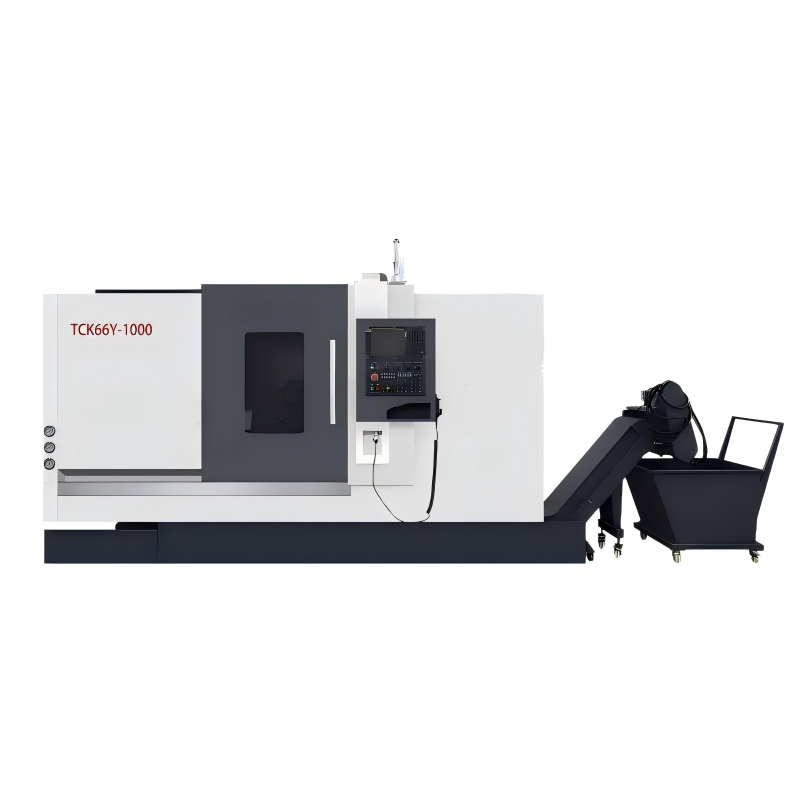
In the domain of manufacturing, the production of casing threads using a CNC lathe represents an advanced application that combines precision engineering with efficient material processing. This technical report aims to explore several key strategies and techniques that can be implemented to optimize the production process, ensuring high-quality output while minimizing waste and maximizing productivity.
Understanding Casing Thread Specifications
Before delving into the specifics of CNC Lathe operations, it is crucial to have a thorough understanding of the required specifications for casing threads. These specifications, which include thread pitch, depth, and profile, are critical in determining the appropriate settings and tools for the CNC machine. The ability to accurately input these parameters into the CNC system is foundational to achieving precise and consistent results. It's important to note that even slight deviations from the specified dimensions can lead to significant issues in the final product, such as improper sealing or structural weaknesses. Therefore, meticulous attention to detail during the setup phase is essential for success.
Optimizing Tool Selection and Setup
The choice and configuration of cutting tools play a pivotal role in the effectiveness of Casing thread CNC lathe operations. High-performance carbide or coated inserts are often preferred due to their durability and ability to maintain sharpness over extended periods, which is particularly beneficial in high-volume production scenarios. Additionally, the correct positioning of the tool relative to the workpiece, along with optimal feed rates and spindle speeds, must be carefully calibrated to ensure smooth and efficient cutting. An improperly set tool can result in poor surface finish, increased tool wear, and ultimately, a substandard product. Regular maintenance and timely replacement of worn-out tools are also integral parts of this process, contributing significantly to the overall quality and consistency of the produced threads.
Implementing Advanced Programming Techniques
To fully leverage the capabilities of a Casing thread CNC lathe, advanced programming techniques are indispensable. Modern CNC systems support a wide range of programming languages and features, allowing for the creation of complex and highly customized machining programs. Utilizing G-code, for instance, enables operators to define every aspect of the machining process, from the initial roughing cuts to the final finishing touches. Moreover, the use of macros and subroutines can greatly enhance the efficiency and flexibility of the program, making it easier to adapt to different job requirements without having to rewrite the entire code. Another key advantage of advanced programming is the ability to simulate the machining process in a virtual environment before actual execution. This not only helps in identifying potential errors or inefficiencies but also allows for fine-tuning the program to achieve the best possible outcome. By integrating these sophisticated programming methods, manufacturers can significantly improve both the speed and accuracy of their casing thread production, thereby enhancing their competitive edge in the market.
Ensuring Quality Control and Process Monitoring
Quality control is a continuous process that should be integrated at every stage of the production cycle. For casing thread production, this involves regular inspections of the machined parts to verify compliance with the specified standards. Automated measuring devices, such as coordinate measuring machines (CMMs), can provide accurate and reliable data on the dimensions and tolerances of the threads. Furthermore, implementing real-time monitoring systems can help in detecting any anomalies or deviations during the machining process, enabling immediate corrective actions to be taken. This proactive approach not only ensures the quality of the final product but also reduces the likelihood of rework and scrap, thereby improving the overall efficiency and cost-effectiveness of the operation.
Enhancing Operator Training and Skill Development
The skill level of the operators is a critical factor in the successful implementation of advanced CNC lathe techniques. Comprehensive training programs that cover both theoretical knowledge and practical skills are essential for developing a competent workforce. Training should include a deep understanding of the CNC system, proficiency in programming and operating the machine, and the ability to troubleshoot common issues. Continuous learning and development opportunities, such as workshops, seminars, and on-the-job training, can further enhance the operators' expertise and keep them up-to-date with the latest advancements in the field. A well-trained and skilled workforce is the backbone of any manufacturing operation, and investing in their development is key to achieving long-term success and sustainability.
By focusing on these key areas—understanding casing thread specifications, optimizing tool selection and setup, implementing advanced programming techniques, ensuring quality control, and enhancing operator training—manufacturers can significantly improve the efficiency and quality of their casing thread production using a CNC lathe. These strategies not only contribute to the production of high-quality products but also help in reducing costs and increasing competitiveness in the global market.


 16/06/2026



