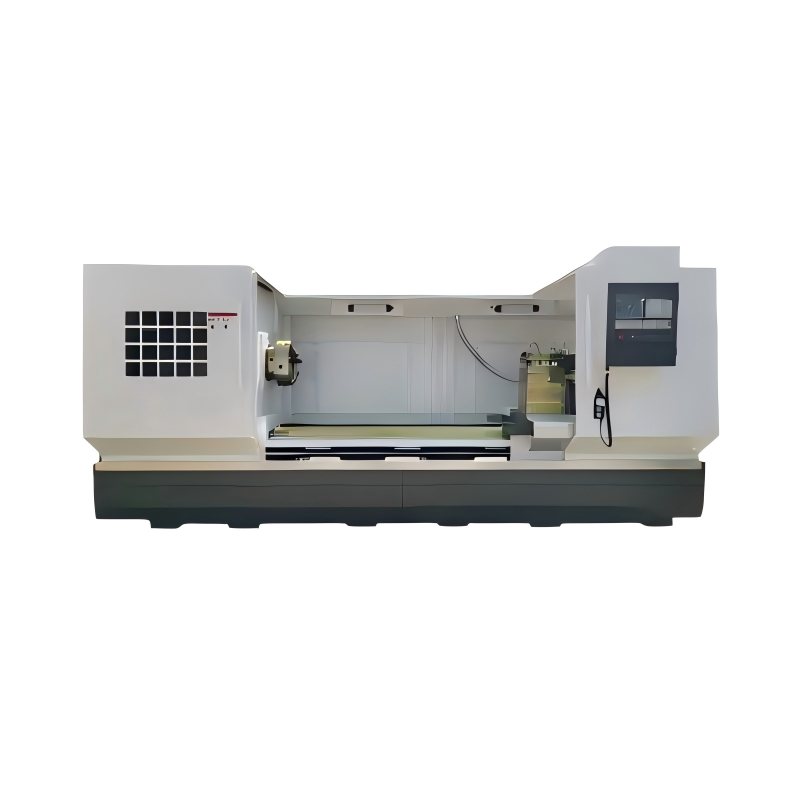
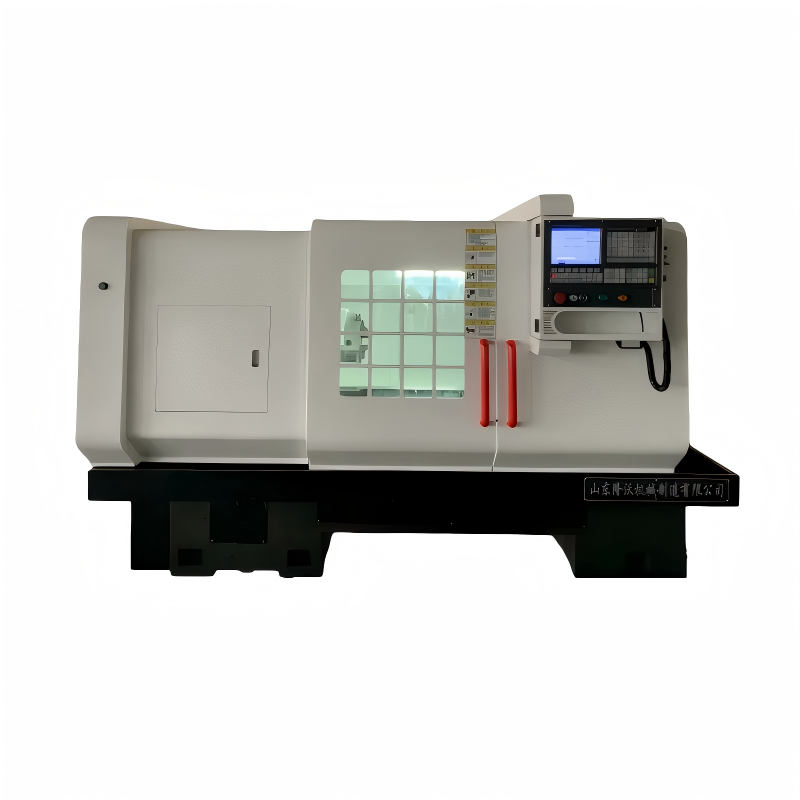
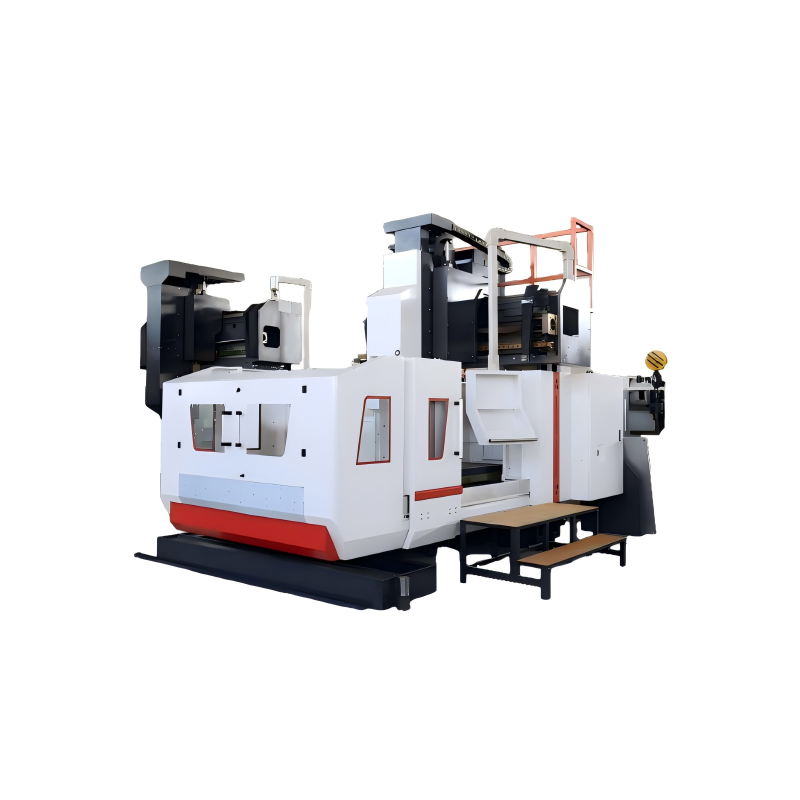
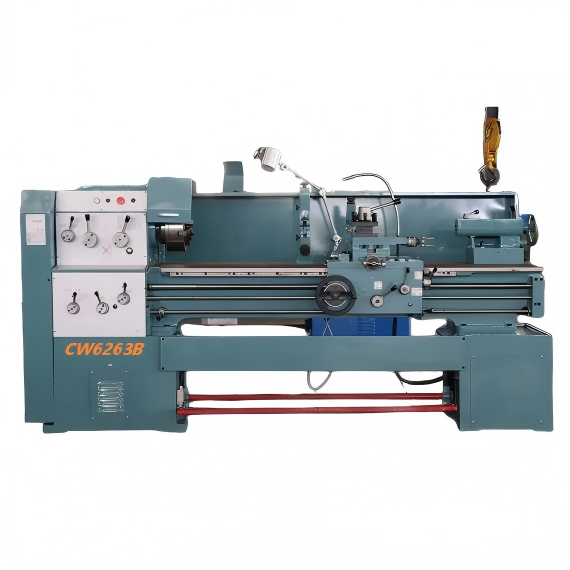
Heavy duty CNC turning centers represent a significant advancement in the field of machining, offering unparalleled precision, efficiency, and versatility. These machines are designed to handle large, complex parts with high accuracy, making them indispensable in industries such as aerospace, automotive, and heavy machinery. In this report, we will explore the advanced features that make Heavy duty CNC turning centers stand out, focusing on their structural integrity, automation capabilities, and integration with modern manufacturing systems.
One of the most critical aspects of a heavy duty CNC turning center is its robust construction. The machine's bed, column, and other major components are typically made from high-grade cast iron or steel, which provides excellent stability and vibration damping. This enhanced structural integrity ensures that the machine can maintain tight tolerances even under heavy cutting loads, resulting in higher quality finished parts. Additionally, the use of box-way designs instead of linear guides further improves rigidity and longevity, as they are better suited to withstand the forces generated during heavy-duty operations.
Another key feature contributing to the structural strength of these machines is the incorporation of thermal compensation systems. As the temperature within the machine fluctuates due to prolonged operation, it can lead to thermal expansion and contraction, affecting the accuracy of the machining process. Advanced heavy duty CNC turning centers employ sensors and software algorithms to monitor and adjust for these thermal variations, ensuring consistent performance and part quality over extended periods.
A hallmark of modern heavy duty CNC turning centers is their sophisticated automation capabilities, which significantly enhance productivity and reduce labor costs. Automated tool changers, for example, allow for rapid and precise switching between different cutting tools, minimizing downtime and enabling continuous production. Furthermore, some models come equipped with dual-spindle configurations, allowing two separate operations to be performed simultaneously on the same workpiece, thus doubling the output rate without compromising on quality.
In addition to tool changing, material handling systems have also been integrated into many high-end CNC turning centers. Robotic arms and conveyor belts can load and unload parts automatically, reducing the need for manual intervention and increasing overall throughput. Such automated solutions not only improve efficiency but also contribute to a safer working environment by minimizing human exposure to potentially hazardous conditions.
To fully leverage the potential of heavy duty CNC turning centers, seamless integration with other manufacturing processes and information systems is essential. Today’s advanced CNC machines support various communication protocols, including Ethernet, RS-232, and USB, facilitating easy data exchange and remote monitoring. This connectivity enables real-time tracking of machine status, predictive maintenance, and optimized scheduling, all of which are crucial for maintaining high levels of productivity and uptime.
Moreover, compatibility with Computer-Aided Design (CAD) and Computer-Aided Manufacturing (CAM) software allows for streamlined workflow management. Engineers can design parts using CAD, generate toolpaths with CAM, and then directly transfer the program to the CNC machine, eliminating the need for manual programming and reducing the likelihood of errors. Some manufacturers also offer proprietary software solutions that provide additional functionalities, such as simulation, optimization, and post-processing, further enhancing the flexibility and adaptability of the system.
Lastly, the ability to integrate with Industry 4.0 technologies, such as the Internet of Things (IoT) and artificial intelligence (AI), opens up new possibilities for predictive analytics and autonomous decision-making. By collecting and analyzing vast amounts of operational data, manufacturers can gain valuable insights into machine performance, identify areas for improvement, and implement proactive measures to prevent failures before they occur. This not only leads to more efficient use of resources but also contributes to a more sustainable and resilient manufacturing ecosystem.
In conclusion, heavy duty CNC turning centers are at the forefront of technological innovation in the machining industry. Their enhanced structural integrity, advanced automation features, and seamless integration with modern manufacturing systems set them apart as powerful tools capable of meeting the demands of today’s complex and dynamic production environments. As technology continues to evolve, we can expect these machines to become even more versatile and intelligent, driving forward the future of precision engineering.
 16/06/2026
In the realm of modern manufacturing, the heavy duty CNC turning center stands out as a critical component in enhancing industrial productivity. This advanced piece of machinery not only accelerates production processes but also ensures precision and reli
Read More16/06/2026Understanding the Requirements for a Heavy Duty CNC Turning CenterIn the realm of precision manufacturing, selecting the appropriate machinery is crucial for both efficiency and product quality. A heavy duty CNC turning center stands out as an essential p
Read More16/06/2026In the contemporary landscape of manufacturing, the advent of advanced machinery has significantly transformed the way materials are processed and parts are produced. Among these innovations, the heavy duty CNC turning center stands out as a critical tool
Read More16/06/2026Choosing the right heavy duty CNC turning center is a critical decision that can significantly impact the efficiency, quality, and cost-effectiveness of your manufacturing processes. With a wide range of options available on the market, it's essential to
Read More16/06/2026The Evolution of Heavy Duty CNC Turning CentersOver the past few decades, heavy duty CNC (Computer Numerical Control) turning centers have become an indispensable part of modern manufacturing. These machines are designed to handle large, complex, and heav
Read More15/06/2026In the realm of modern manufacturing, the heavy duty CNC turning center stands out as a pivotal piece of equipment for industries that demand precision, durability, and efficiency. These machines are designed to handle large, complex parts with high accur
Read More15/06/2026In the realm of precision manufacturing, the heavy duty CNC turning center stands out as a critical piece of equipment for achieving high-accuracy and efficient production. This article explores the capabilities, applications, and advantages of heavy duty
Read More15/06/2026Heavy duty CNC turning centers are essential tools in the manufacturing industry, capable of producing complex and precise parts with high efficiency. This report delves into the capabilities of a heavy duty CNC turning center, exploring its advanced feat
Read More15/06/2026The evolution of manufacturing technology has led to significant advancements in precision machining, with the heavy duty CNC turning center emerging as a pivotal tool for industries requiring high accuracy and efficiency. This comprehensive guide aims to
Read MoreOur professional sales team is always ready to assist you.