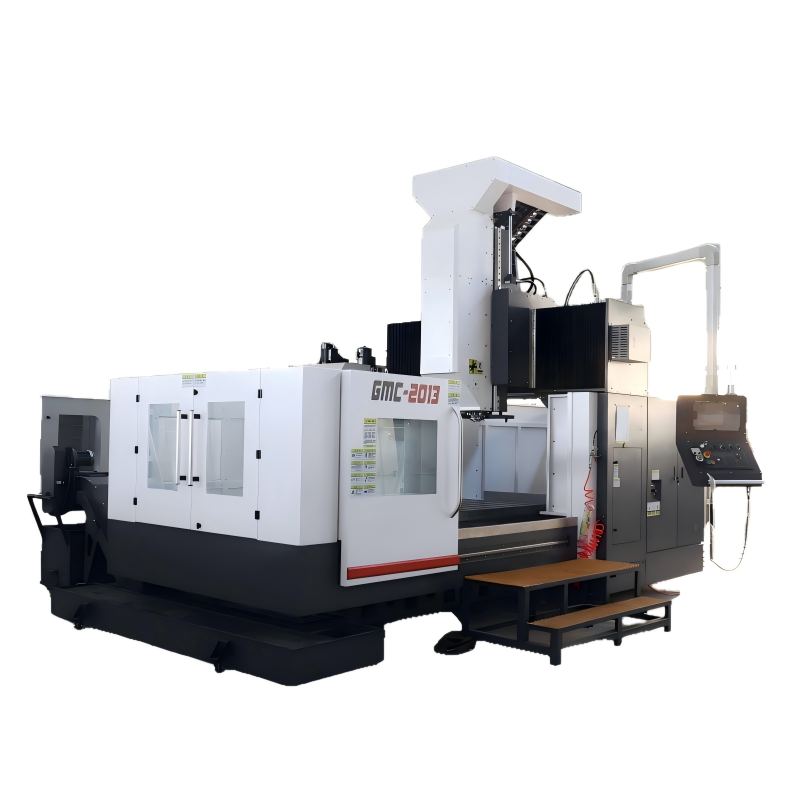
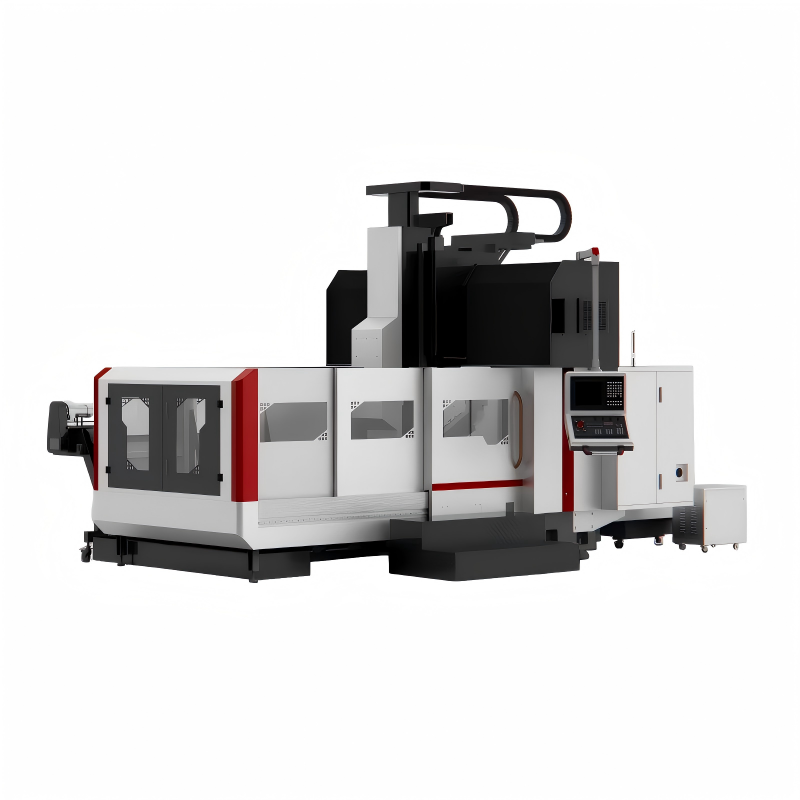
In the realm of precision manufacturing, selecting the appropriate machinery is crucial for both efficiency and product quality. A Heavy duty CNC turning center stands out as an essential piece in this puzzle, especially when it comes to handling large, complex, or high-volume parts. To ensure that your investment not only meets but exceeds expectations, it's vital to first understand the specific requirements your production process demands. This understanding encompasses evaluating the types of materials you work with, the sizes and weights of the components, and the level of accuracy needed. Additionally, considering factors such as production volume, operational flexibility, and future scalability can significantly impact the decision-making process. By thoroughly assessing these elements, businesses can pinpoint the most suitable heavy duty CNC turning center, thereby enhancing productivity while maintaining cost-effectiveness.
Once the basic requirements are clearly defined, the next step involves a deep dive into the features and capabilities of potential heavy duty CNC turning centers. One of the primary considerations here is the machine’s power and torque, which directly influence its ability to handle tougher materials and larger workpieces without compromising on speed or precision. Another critical aspect is the spindle configuration; options may range from single-spindle setups to multi-spindle configurations, each offering distinct advantages depending on the application. The tooling system also plays a significant role, as a versatile and robust tooling solution can dramatically increase the machine's adaptability to various jobs. Moreover, modern CNC turning centers often come equipped with advanced software and control systems, providing enhanced automation, monitoring, and data analysis functionalities. These technological advancements not only streamline operations but also facilitate better maintenance and troubleshooting, ultimately leading to increased uptime and lower operational costs.
The initial purchase price of a heavy duty CNC turning center is just one part of the overall cost equation. It's equally important to evaluate long-term expenses, including maintenance, energy consumption, and replacement parts. High-quality machines, although they might have a higher upfront cost, often offer superior durability and reliability, resulting in lower lifetime operating costs. Additionally, the availability of support services, such as training, technical assistance, and spare parts, should be considered. Reliable after-sales support can significantly reduce downtime and ensure that the machine operates at peak performance over its lifespan. Furthermore, exploring financing options and warranty terms can provide additional financial security and peace of mind. By taking a comprehensive approach to cost assessment and support, manufacturers can make a more informed decision that aligns with their long-term business goals and budget constraints.
Ergonomics and safety are often overlooked but are crucial aspects when choosing a heavy duty CNC turning center. An ergonomic design not only enhances operator comfort and reduces fatigue but also improves overall productivity. Features such as intuitive control panels, easy access to the work area, and adjustable lighting can make a significant difference in the day-to-day operation of the machine. Safety, on the other hand, is paramount in any manufacturing environment. Advanced safety features, such as automatic emergency stops, interlocking doors, and integrated safety sensors, help prevent accidents and ensure a secure working environment. Additionally, compliance with industry standards and regulations, such as those set by OSHA (Occupational Safety and Health Administration), is essential. By prioritizing ergonomics and safety, companies can create a more efficient, comfortable, and secure workplace, which in turn fosters a positive company culture and boosts employee morale.
Investing in a heavy duty CNC turning center is a long-term commitment, and it's essential to choose a machine that can adapt to future needs. Technological advancements, changes in production requirements, and evolving market conditions all play a role in determining the longevity and relevance of your equipment. Future-proofing your investment involves selecting a machine that offers upgradability and modularity, allowing for the addition of new features and capabilities as needed. For example, some CNC turning centers can be upgraded with additional axes, live tooling, or even robotic integration, enabling them to handle more complex tasks and increase versatility. Additionally, compatibility with Industry 4.0 technologies, such as IoT (Internet of Things) and AI (Artificial Intelligence), can provide valuable insights and improve overall efficiency. By choosing a machine that is designed with future growth in mind, manufacturers can stay ahead of the curve and ensure that their investment remains relevant and productive for years to come.
 16/06/2026
In the realm of modern manufacturing, the heavy duty CNC turning center stands out as a critical component in enhancing industrial productivity. This advanced piece of machinery not only accelerates production processes but also ensures precision and reli
Read More16/06/2026In the contemporary landscape of manufacturing, the advent of advanced machinery has significantly transformed the way materials are processed and parts are produced. Among these innovations, the heavy duty CNC turning center stands out as a critical tool
Read More16/06/2026Choosing the right heavy duty CNC turning center is a critical decision that can significantly impact the efficiency, quality, and cost-effectiveness of your manufacturing processes. With a wide range of options available on the market, it's essential to
Read More16/06/2026The Evolution of Heavy Duty CNC Turning CentersOver the past few decades, heavy duty CNC (Computer Numerical Control) turning centers have become an indispensable part of modern manufacturing. These machines are designed to handle large, complex, and heav
Read More15/06/2026In the realm of modern manufacturing, the heavy duty CNC turning center stands out as a pivotal piece of equipment for industries that demand precision, durability, and efficiency. These machines are designed to handle large, complex parts with high accur
Read More15/06/2026Heavy duty CNC turning centers represent a significant advancement in the field of machining, offering unparalleled precision, efficiency, and versatility. These machines are designed to handle large, complex parts with high accuracy, making them indispen
Read More15/06/2026In the realm of precision manufacturing, the heavy duty CNC turning center stands out as a critical piece of equipment for achieving high-accuracy and efficient production. This article explores the capabilities, applications, and advantages of heavy duty
Read More15/06/2026Heavy duty CNC turning centers are essential tools in the manufacturing industry, capable of producing complex and precise parts with high efficiency. This report delves into the capabilities of a heavy duty CNC turning center, exploring its advanced feat
Read More15/06/2026The evolution of manufacturing technology has led to significant advancements in precision machining, with the heavy duty CNC turning center emerging as a pivotal tool for industries requiring high accuracy and efficiency. This comprehensive guide aims to
Read MoreOur professional sales team is always ready to assist you.