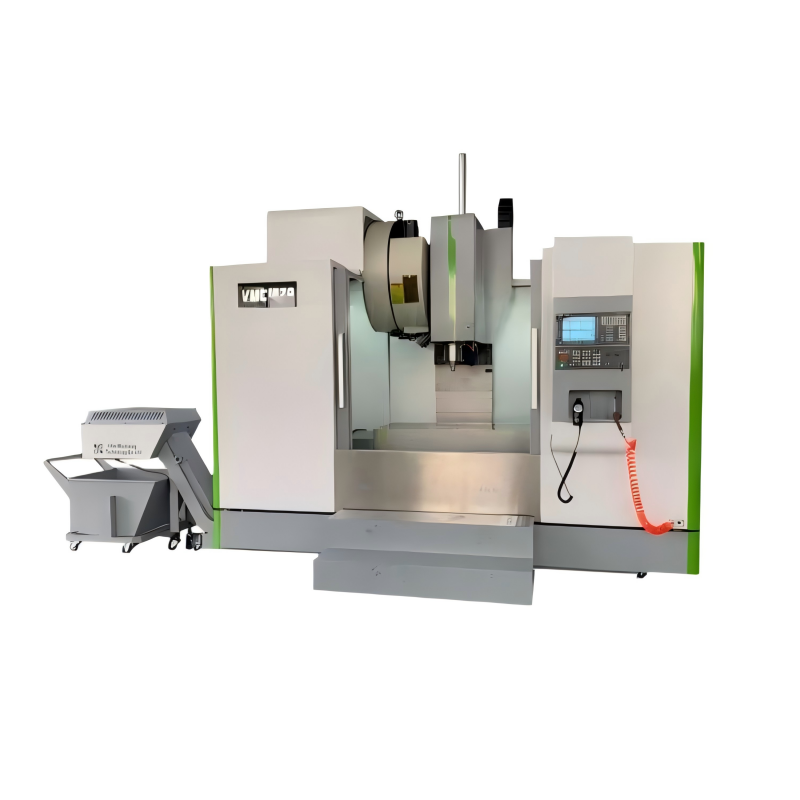
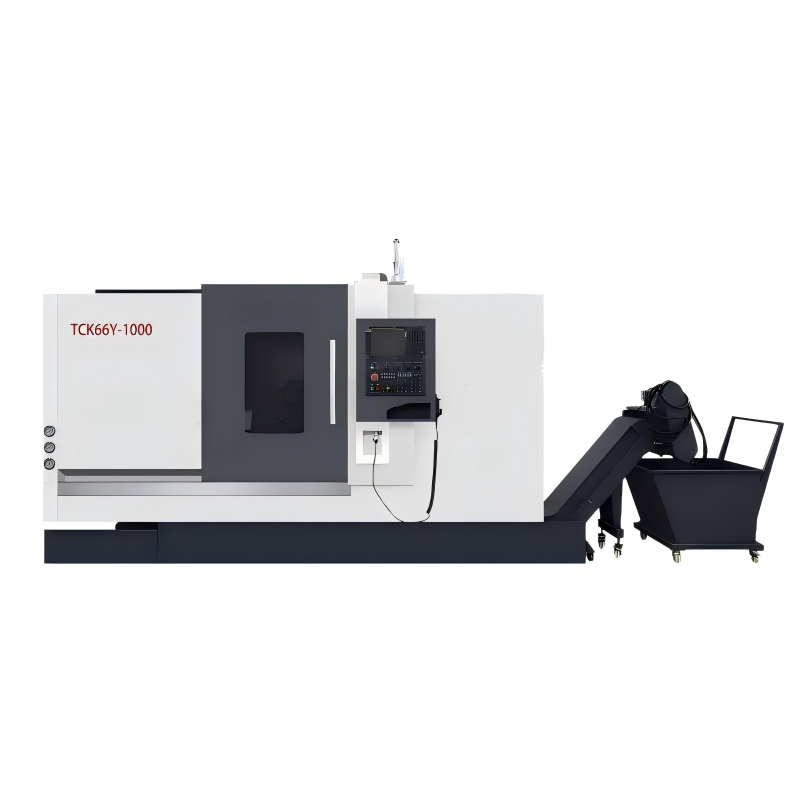
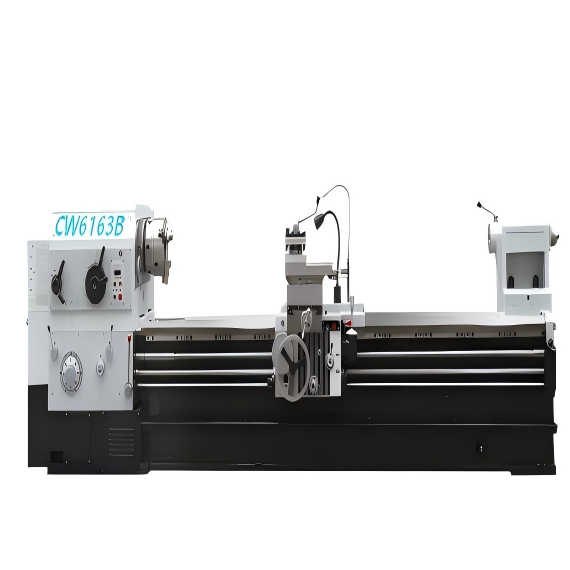
Over the past few decades, heavy duty CNC (Computer Numerical Control) turning centers have become an indispensable part of modern manufacturing. These machines are designed to handle large, complex, and heavy workpieces with precision and efficiency that traditional manual lathes cannot match. The evolution from simple lathes to today’s sophisticated Heavy duty CNC turning centers has been driven by advancements in technology, materials, and software. This section will explore how these developments have shaped the current landscape of heavy duty CNC turning centers.
One of the key factors behind the rise of heavy duty CNC turning centers is the increasing demand for high-precision components in industries such as aerospace, automotive, and energy. These sectors require parts that meet stringent quality standards, and heavy duty CNC turning centers provide the necessary accuracy and repeatability. Additionally, the integration of advanced features like multi-axis capabilities, automatic tool changers, and real-time monitoring systems has further enhanced the performance and versatility of these machines.
Heavy duty CNC turning centers offer several advantages that make them a preferred choice in modern manufacturing environments. Firstly, they provide unparalleled precision and consistency, which is critical for producing high-quality parts. The ability to program and control the cutting process through computer-aided design (CAD) and computer-aided manufacturing (CAM) software ensures that each part is machined to exact specifications, reducing the likelihood of human error.
Secondly, heavy duty CNC turning centers are highly efficient and can significantly reduce production times. Automated processes, such as tool changing and part loading, minimize downtime and allow for continuous operation. This not only increases productivity but also reduces labor costs, making these machines a cost-effective solution for large-scale manufacturing operations.
Another advantage is the flexibility of heavy duty CNC turning centers. They can be easily reprogrammed to produce different parts, making them ideal for both small-batch and mass production. This adaptability is particularly valuable in industries where product designs frequently change or where there is a need for customization.
While heavy duty CNC turning centers offer numerous benefits, their implementation also presents certain challenges. One of the primary concerns is the initial investment required. These machines are typically more expensive than traditional lathes, and the cost of additional software, training, and maintenance must also be considered. However, the long-term benefits, such as increased productivity and reduced scrap rates, often outweigh the initial costs.
Another challenge is the need for skilled operators and programmers. Heavy duty CNC turning centers require specialized knowledge to operate and maintain. Companies must invest in training programs to ensure that their workforce is capable of effectively using these machines. Additionally, the availability of technical support and regular updates from the manufacturer is crucial for maintaining optimal performance.
Finally, the integration of heavy duty CNC turning centers into existing manufacturing processes can be complex. It requires careful planning and coordination to ensure that the new equipment complements rather than disrupts the workflow. Collaboration between engineers, operators, and management is essential to overcome these challenges and fully leverage the capabilities of these advanced machines.
The future of heavy duty CNC turning centers is likely to be shaped by ongoing technological innovations. One of the most promising areas is the development of smart manufacturing technologies, such as the Industrial Internet of Things (IIoT). These technologies enable real-time data collection and analysis, allowing for predictive maintenance and optimized production processes. By integrating sensors and analytics, manufacturers can monitor the health of their machines and identify potential issues before they lead to downtime.
Another area of innovation is the use of artificial intelligence (AI) and machine learning (ML) in CNC programming and control. AI and ML algorithms can analyze historical data to optimize cutting parameters, improve tool life, and enhance overall efficiency. This not only leads to better part quality but also reduces the need for manual intervention, further streamlining the manufacturing process.
Additionally, advancements in materials science are opening up new possibilities for heavy duty CNC turning centers. The development of new, stronger, and more durable materials requires equally advanced machining capabilities. Heavy duty CNC turning centers equipped with the latest cutting tools and techniques can handle these materials, ensuring that manufacturers can stay at the forefront of innovation.
Heavy duty CNC turning centers play a vital role in modern manufacturing, offering precision, efficiency, and flexibility that are unmatched by traditional lathes. While their implementation comes with challenges, the long-term benefits make them a worthwhile investment for many industries. As technology continues to advance, the future of heavy duty CNC turning centers looks bright, with innovations in smart manufacturing, AI, and materials science driving further improvements. By embracing these advancements, manufacturers can ensure that they remain competitive and continue to deliver high-quality products to their customers.
 16/06/2026
In the realm of modern manufacturing, the heavy duty CNC turning center stands out as a critical component in enhancing industrial productivity. This advanced piece of machinery not only accelerates production processes but also ensures precision and reli
Read More16/06/2026Understanding the Requirements for a Heavy Duty CNC Turning CenterIn the realm of precision manufacturing, selecting the appropriate machinery is crucial for both efficiency and product quality. A heavy duty CNC turning center stands out as an essential p
Read More16/06/2026In the contemporary landscape of manufacturing, the advent of advanced machinery has significantly transformed the way materials are processed and parts are produced. Among these innovations, the heavy duty CNC turning center stands out as a critical tool
Read More16/06/2026Choosing the right heavy duty CNC turning center is a critical decision that can significantly impact the efficiency, quality, and cost-effectiveness of your manufacturing processes. With a wide range of options available on the market, it's essential to
Read More15/06/2026In the realm of modern manufacturing, the heavy duty CNC turning center stands out as a pivotal piece of equipment for industries that demand precision, durability, and efficiency. These machines are designed to handle large, complex parts with high accur
Read More15/06/2026Heavy duty CNC turning centers represent a significant advancement in the field of machining, offering unparalleled precision, efficiency, and versatility. These machines are designed to handle large, complex parts with high accuracy, making them indispen
Read More15/06/2026In the realm of precision manufacturing, the heavy duty CNC turning center stands out as a critical piece of equipment for achieving high-accuracy and efficient production. This article explores the capabilities, applications, and advantages of heavy duty
Read More15/06/2026Heavy duty CNC turning centers are essential tools in the manufacturing industry, capable of producing complex and precise parts with high efficiency. This report delves into the capabilities of a heavy duty CNC turning center, exploring its advanced feat
Read More15/06/2026The evolution of manufacturing technology has led to significant advancements in precision machining, with the heavy duty CNC turning center emerging as a pivotal tool for industries requiring high accuracy and efficiency. This comprehensive guide aims to
Read MoreOur professional sales team is always ready to assist you.