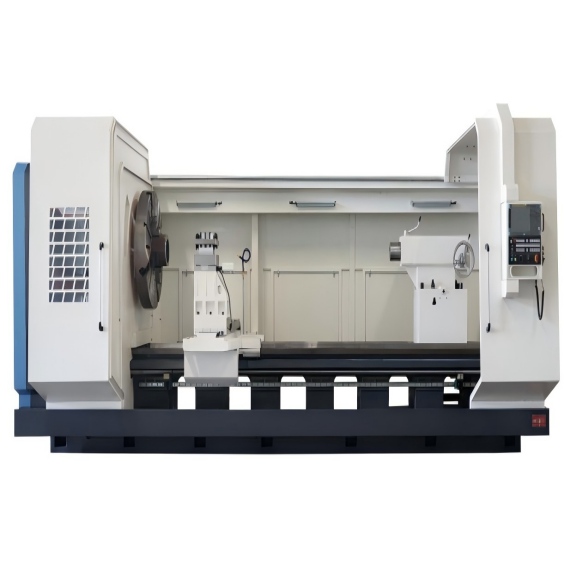
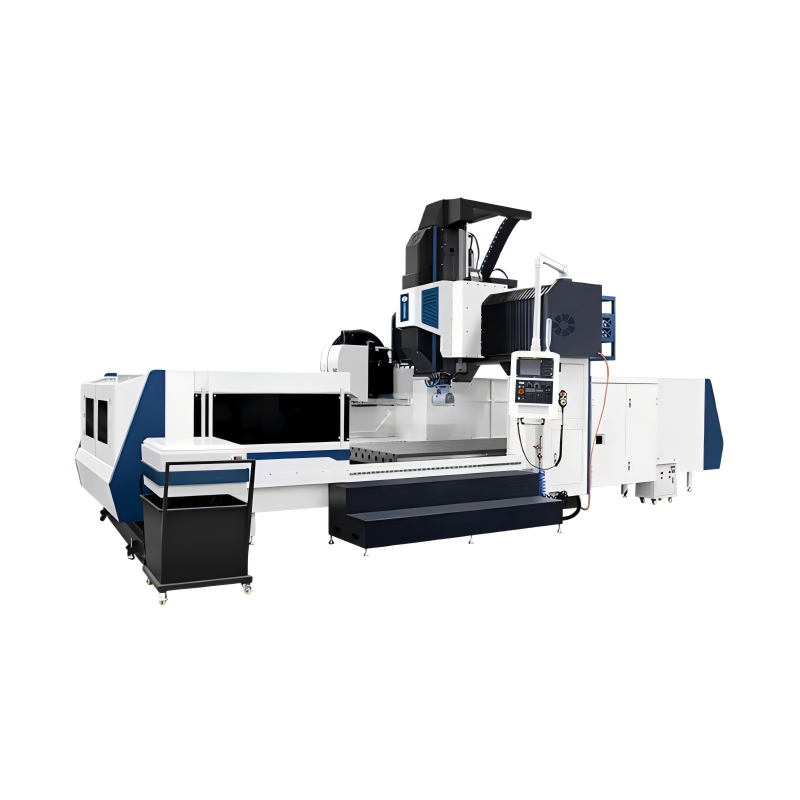
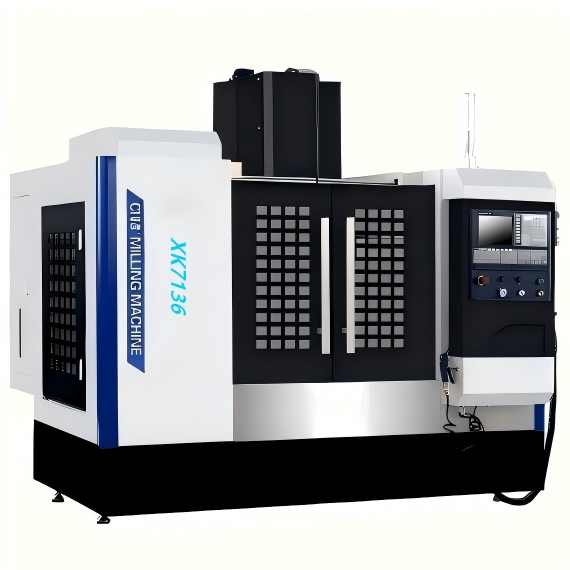
In the field of precision engineering, the turning of long shafts on a lathe presents unique challenges that demand specialized techniques and tools. This technical report explores advanced methodologies for effectively handling such tasks, focusing on improving accuracy, efficiency, and surface finish. Through an in-depth analysis, we aim to provide practical insights into optimizing processes for Lathe for Long Shaft operations.
The primary challenge when working with long shafts is maintaining straightness and concentricity over the entire length of the workpiece. As the length increases, so does the potential for deflection under cutting forces, leading to inaccuracies in the final product. Additionally, thermal expansion during machining can cause dimensional changes, further complicating the process. To mitigate these issues, it's crucial to understand the material properties and the limitations of your lathe setup. Advanced preparation, including proper tool selection and workholding strategies, plays a critical role in achieving successful outcomes.
A well-optimized lathe setup is fundamental to achieving high-quality results in long shaft turning. The choice of lathe, its configuration, and the method of securing the workpiece are key factors. For instance, using a lathe with a rigid structure and minimal vibration is essential. Furthermore, employing live centers or steady rests at strategic points along the shaft can significantly enhance stability and reduce deflection. It's also important to ensure that the lathe bed is perfectly level and that all components are securely fastened to minimize any movement during operation. Proper alignment of the tailstock and headstock is another critical step, as misalignment can lead to tapering or other geometric errors.
Selecting the right cutting tools and applying them correctly is paramount in long shaft turning. High-speed steel (HSS) and carbide-tipped tools are commonly used due to their durability and ability to maintain sharp edges even under high temperatures. However, the choice of tool geometry, such as the rake angle and clearance angle, should be carefully considered based on the specific material being machined. For example, a positive rake angle can help reduce cutting forces and improve chip evacuation, which is particularly beneficial for long shafts where chip control is challenging. Additionally, using coolant or lubricant can further enhance tool life and surface finish by reducing friction and heat buildup. In some cases, specialized tool coatings, like TiN (Titanium Nitride), can provide additional wear resistance and improve overall performance.
Efficient machining techniques are vital for minimizing production time and maximizing the quality of the finished part. One effective approach is to use a combination of roughing and finishing passes. During the roughing stage, the focus should be on removing material quickly while maintaining sufficient stock for the finishing pass. In the finishing stage, slower speeds and finer feeds are employed to achieve a smooth surface finish. Another technique is to utilize multi-axis lathes, which allow for simultaneous operations, thereby reducing the number of setups required and improving overall productivity. Moreover, programming the lathe with optimized cutting paths and using adaptive control systems can help maintain consistent cutting conditions, even as the tool wears or the material properties change. These systems adjust parameters in real-time, ensuring optimal performance throughout the machining process.
Ensuring the quality of the turned long shaft is the final but equally important step in the manufacturing process. After machining, the shaft should be inspected for dimensional accuracy, surface finish, and any signs of defects such as cracks or warping. Coordinate Measuring Machines (CMMs) and optical measuring devices are valuable tools for precise inspection. If any discrepancies are found, corrective actions, such as re-machining or heat treatment, may be necessary. Additionally, post-processing steps, such as polishing or coating, can be applied to further enhance the surface finish and protect the shaft from corrosion. It's also important to document the entire process, including the settings and parameters used, for future reference and continuous improvement.
In conclusion, mastering the art of turning long shafts on a lathe requires a comprehensive understanding of the challenges involved and the application of advanced techniques. By optimizing the lathe setup, selecting appropriate tooling, implementing efficient machining strategies, and ensuring rigorous quality control, engineers can achieve superior results in the production of long shafts. These practices not only enhance the accuracy and surface finish of the final product but also contribute to increased productivity and cost-effectiveness in the manufacturing process.
 24/06/2026
In the realm of mechanical engineering, working with long shafts requires a high degree of precision and skill. The lathe for long shaft is an essential tool in this process, allowing for the creation of components that meet stringent specifications. This
Read More24/06/2026The Importance of Precision in Initial SetupWhen it comes to machining long shafts, the initial setup is a critical phase that sets the stage for the entire process. A lathe for long shaft requires meticulous attention to detail to ensure that the final p
Read More24/06/2026When it comes to the manufacturing of long shafts, a lathe for long shaft plays an indispensable role. This machine is specifically designed to handle the unique challenges that come with turning and shaping long cylindrical components. In this technical
Read More23/06/2026The lathe for long shaft operations is a specialized piece of machinery designed to handle the unique challenges associated with machining extended lengths. This report delves into the critical aspects of operating such lathes, focusing on setup considera
Read More23/06/2026Working with a lathe, especially when dealing with long shafts, presents unique challenges and requires a specialized set of skills. This report aims to provide essential tips for effectively using a lathe for long shaft machining. The following sections
Read More23/06/2026A lathe for long shaft is a specialized machine designed to work with elongated pieces of material, such as metal or wood. These machines are essential in industries that require precision and accuracy when working on long, cylindrical objects. This techn
Read More23/06/2026Understanding the Specific Needs of Long Shaft ProjectsWhen it comes to machining long shafts, understanding the unique requirements and challenges is crucial. A Lathe for Long Shaft must be capable of handling not only the length but also the precision a
Read MoreOur professional sales team is always ready to assist you.