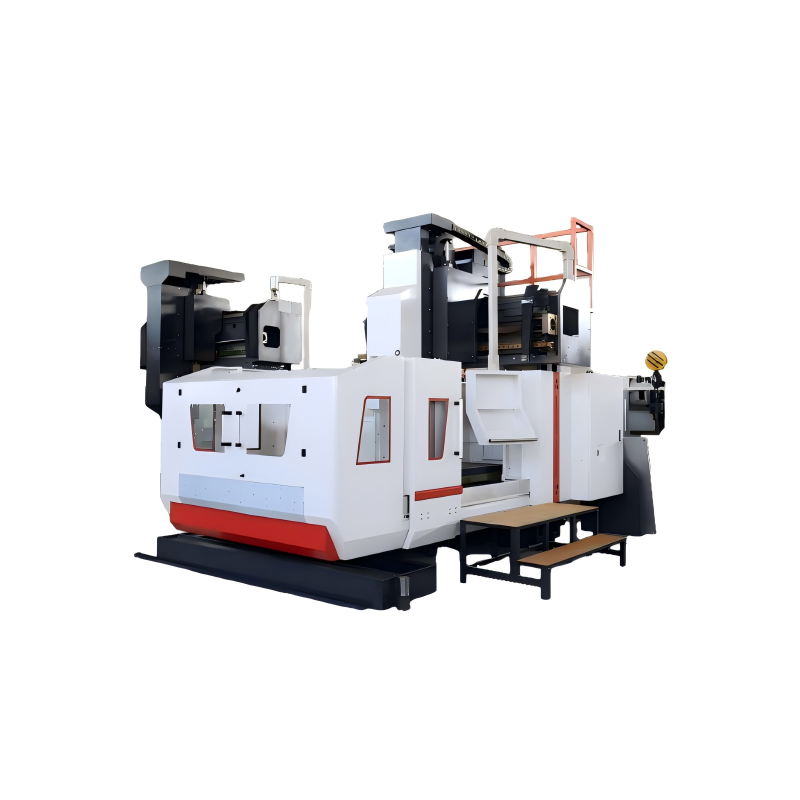
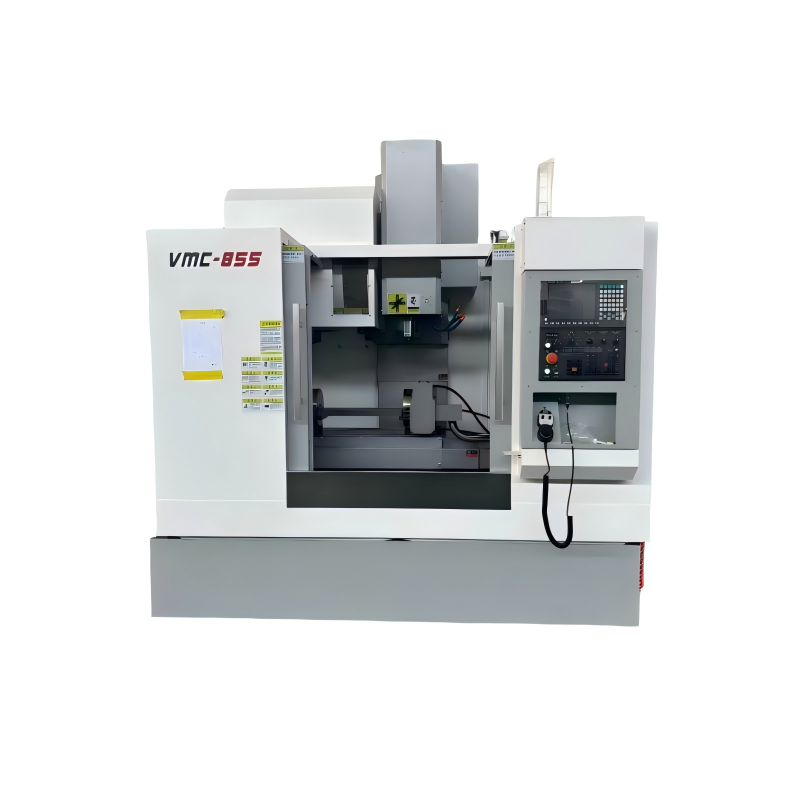
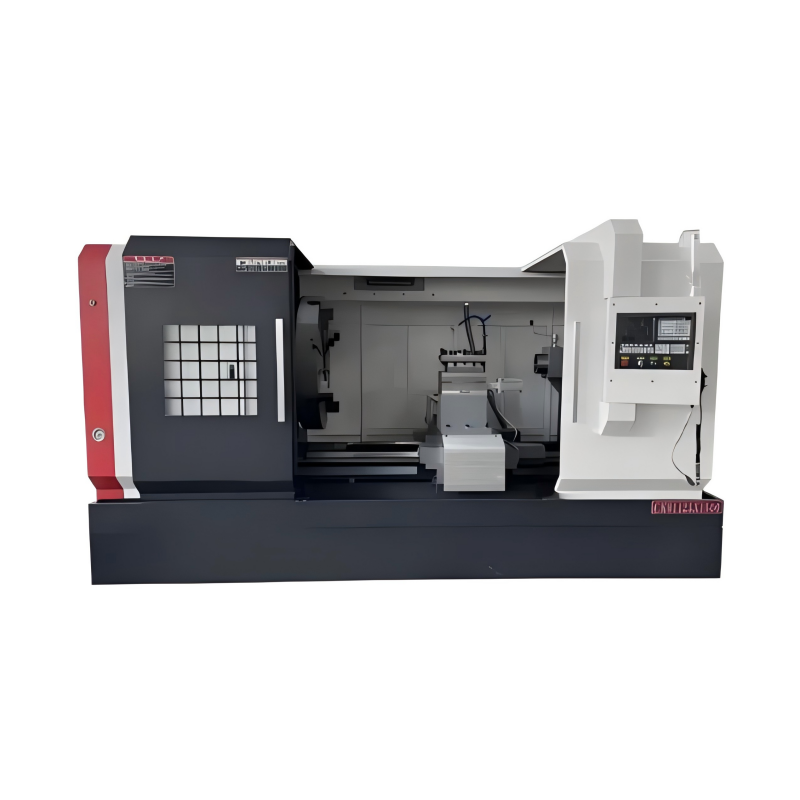
When it comes to the manufacturing of long shafts, a lathe for long shaft plays an indispensable role. This machine is specifically designed to handle the unique challenges that come with turning and shaping long cylindrical components. In this technical report, we will explore how a lathe for long shaft can maximize efficiency in various aspects of the production process.
The first step towards maximizing efficiency with a lathe for long shaft lies in optimizing the workpiece handling and setup. Long shafts, due to their length, often require specialized fixtures and support systems to ensure stability and accuracy during machining. A well-designed lathe for long shaft should include features such as:
By integrating these features, a lathe for long shaft can streamline the setup process, leading to more efficient and consistent production.
One of the primary goals in any machining operation is to achieve high precision and quality. A lathe for long shaft is no exception. To enhance machining precision and quality, several key factors must be considered:
By focusing on these aspects, a lathe for long shaft can deliver superior machining precision and quality, which is essential for meeting the stringent requirements of many industries.
Efficient material utilization is another critical factor in maximizing the effectiveness of a lathe for long shaft. Reducing material waste not only saves costs but also contributes to environmental sustainability. Here are some strategies to improve material utilization and cost efficiency:
By adopting these strategies, a lathe for long shaft can not only improve material utilization but also contribute to a more cost-effective and sustainable manufacturing process.
Safety and ergonomics are paramount in any manufacturing environment. A lathe for long shaft should be designed with operator safety and comfort in mind. Key considerations include:
By prioritizing operator safety and ergonomics, a lathe for long shaft can create a safer and more productive work environment, ultimately leading to higher efficiency and better outcomes.
Reliability is a key factor in ensuring the continuous and efficient operation of a lathe for long shaft. Predictive maintenance can play a crucial role in maintaining the reliability of the machine. Some key elements of predictive maintenance include:
By implementing a robust predictive maintenance program, a lathe for long shaft can achieve higher levels of reliability, reducing downtime and ensuring consistent production.
In conclusion, a lathe for long shaft offers numerous opportunities to maximize efficiency in the manufacturing process. By optimizing workpiece handling and setup, enhancing machining precision and quality, improving material utilization and cost efficiency, ensuring operator safety and ergonomics, and implementing predictive maintenance, manufacturers can achieve higher productivity, better quality, and greater cost savings. Investing in a well-designed and well-maintained lathe for long shaft is a strategic decision that can yield significant benefits for any manufacturing operation.
 24/06/2026
In the realm of mechanical engineering, working with long shafts requires a high degree of precision and skill. The lathe for long shaft is an essential tool in this process, allowing for the creation of components that meet stringent specifications. This
Read More24/06/2026In the field of precision engineering, the turning of long shafts on a lathe presents unique challenges that demand specialized techniques and tools. This technical report explores advanced methodologies for effectively handling such tasks, focusing on im
Read More24/06/2026The Importance of Precision in Initial SetupWhen it comes to machining long shafts, the initial setup is a critical phase that sets the stage for the entire process. A lathe for long shaft requires meticulous attention to detail to ensure that the final p
Read More23/06/2026The lathe for long shaft operations is a specialized piece of machinery designed to handle the unique challenges associated with machining extended lengths. This report delves into the critical aspects of operating such lathes, focusing on setup considera
Read More23/06/2026Working with a lathe, especially when dealing with long shafts, presents unique challenges and requires a specialized set of skills. This report aims to provide essential tips for effectively using a lathe for long shaft machining. The following sections
Read More23/06/2026A lathe for long shaft is a specialized machine designed to work with elongated pieces of material, such as metal or wood. These machines are essential in industries that require precision and accuracy when working on long, cylindrical objects. This techn
Read More23/06/2026Understanding the Specific Needs of Long Shaft ProjectsWhen it comes to machining long shafts, understanding the unique requirements and challenges is crucial. A Lathe for Long Shaft must be capable of handling not only the length but also the precision a
Read MoreOur professional sales team is always ready to assist you.