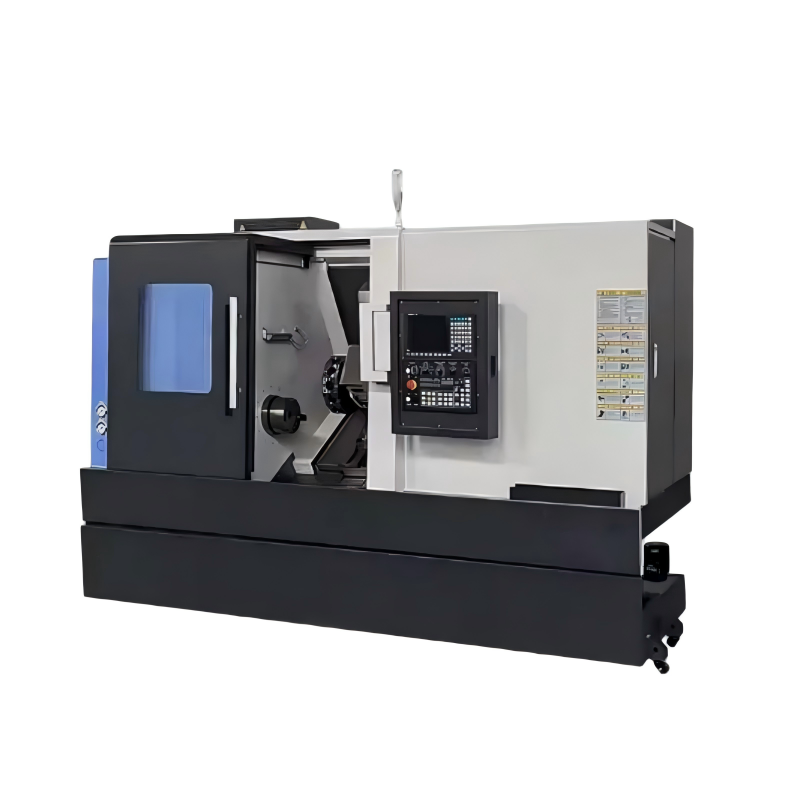
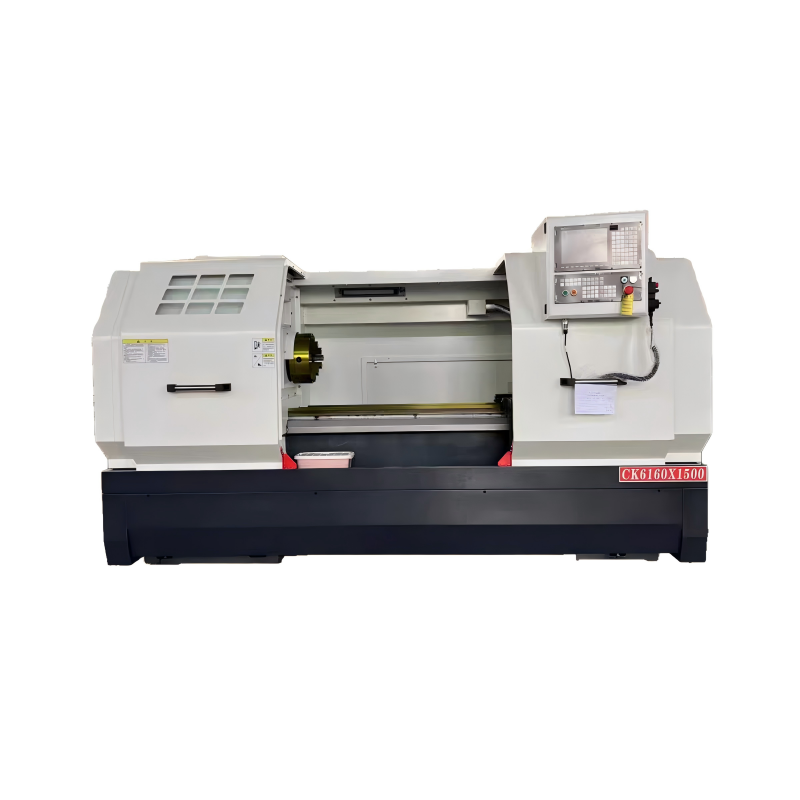
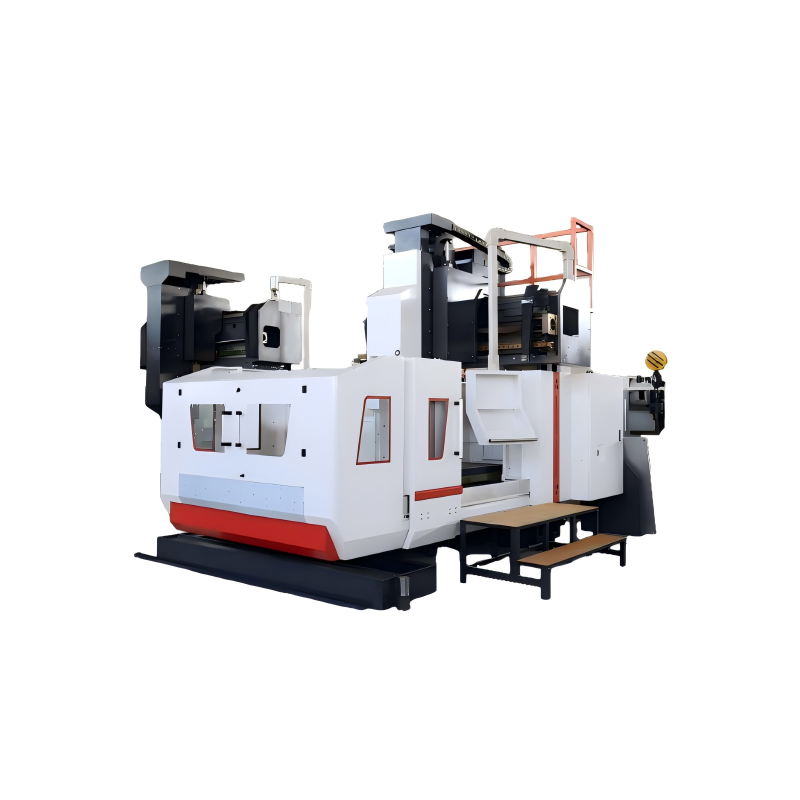
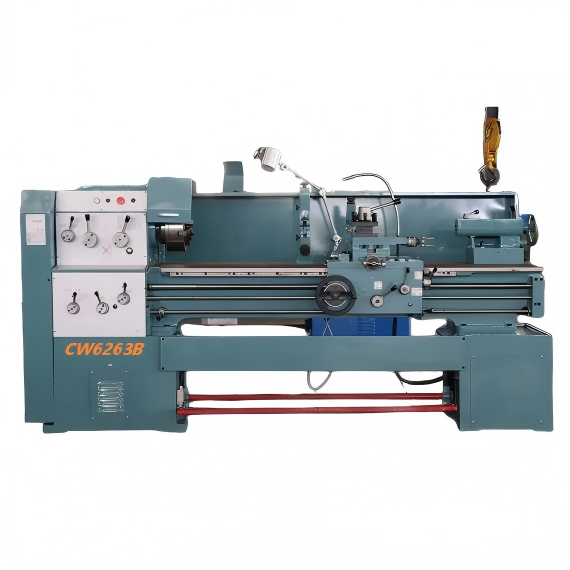
Manual Lathe Machines, despite being one of the oldest types of machine tools, continue to hold a significant place in modern workshops. This report aims to explore the enduring charm and functionality of manual lathes, highlighting their unique advantages over more automated solutions.
A manual lathe machine is a cornerstone in the world of precision machining. Its design allows for intricate work that requires a high level of control and accuracy, which can be challenging to achieve with fully automated systems. Operators can adjust settings and make real-time decisions based on visual and tactile feedback, ensuring that each piece meets exact specifications. This hands-on approach not only enhances the quality of the final product but also fosters a deeper understanding of the material properties and the machining process itself. Manual lathes are particularly well-suited for small-scale production, custom work, and prototyping, where flexibility and adaptability are crucial.
One of the key advantages of a manual lathe machine is its economic efficiency. Compared to CNC (Computer Numerical Control) lathes, manual lathes are significantly less expensive to purchase and maintain. They do not require complex software or specialized training, making them accessible to a broader range of users, including small businesses and hobbyists. Additionally, manual lathes are incredibly versatile, capable of performing a wide array of operations such as turning, facing, threading, and drilling. This versatility makes them an indispensable tool in any workshop, as they can handle a variety of materials and projects without the need for additional equipment.
The use of a manual lathe machine promotes the development of skilled labor and craftsmanship. Operating a manual lathe requires a deep understanding of the machinery, the materials, and the machining process. Skilled operators must master techniques such as feed rates, cutting speeds, and tool selection, which are essential for achieving high-quality results. This hands-on experience not only improves the operator's technical skills but also enhances their problem-solving abilities and attention to detail. In an era where automation is increasingly prevalent, the value of skilled labor and craftsmanship cannot be overstated. Manual lathes provide a platform for individuals to develop and refine these skills, contributing to the overall quality and innovation in the manufacturing industry.
Another significant advantage of a manual lathe machine is its adaptability and customization capabilities. Unlike automated systems, which are often programmed for specific tasks, manual lathes can be easily adjusted to accommodate a wide range of jobs. This flexibility is particularly valuable in situations where the project requirements change frequently or where custom work is needed. Operators can quickly modify the setup, change tools, and adjust settings to meet the new demands, ensuring that the work is completed efficiently and to the highest standards. This adaptability makes manual lathes an ideal choice for small-batch production, one-off projects, and rapid prototyping, where the ability to make quick changes is essential.
In addition to their practical advantages, manual lathe machines also offer environmental and sustainability benefits. They consume less energy compared to their automated counterparts, as they do not require the continuous operation of motors and other electrical components. This reduced energy consumption translates into lower operating costs and a smaller carbon footprint. Moreover, manual lathes are built to last, with many models still in use after decades of service. This longevity reduces the need for frequent replacements and minimizes waste, aligning with sustainable manufacturing practices. By choosing a manual lathe, workshops can contribute to a more environmentally friendly and sustainable future.
In conclusion, the timeless charm and functionality of a manual lathe machine continue to make it a valuable asset in modern workshops. Its precision, economic efficiency, versatility, and the promotion of skilled labor and craftsmanship are just a few of the reasons why it remains a preferred choice for many. As the manufacturing industry evolves, the adaptability and sustainability benefits of manual lathes further underscore their enduring relevance. Whether for small-scale production, custom work, or prototyping, a manual lathe machine is a reliable and versatile tool that continues to play a vital role in the world of precision machining.
 24/06/2026
In an era dominated by automation and digital technology, the traditional manual lathe machine continues to hold a significant place in the manufacturing industry. This tool, while seemingly simple, requires a high degree of skill and precision from its o
Read More24/06/2026The manual lathe machine, a tool that has been around for centuries, continues to play an essential role in the manufacturing and prototyping industries. This versatile piece of equipment allows for the creation of complex shapes and parts with high preci
Read More23/06/2026In the realm of precision machining, few tools hold as much significance as the manual lathe machine. This versatile piece of equipment has been a cornerstone in manufacturing and engineering for centuries, enabling craftsmen and engineers to produce intr
Read More23/06/2026Mastering the manual lathe machine is a fundamental skill for anyone involved in manufacturing or machining. This versatile tool, known as the manual lathe machine, has been at the heart of precision engineering for centuries. In this technical report, we
Read More23/06/2026The art of precision in manual lathe machining is a testament to the enduring relevance of traditional manufacturing techniques, even in an era dominated by automation and digitalization. This report delves into the intricacies of manual lathe operations,
Read MoreOur professional sales team is always ready to assist you.