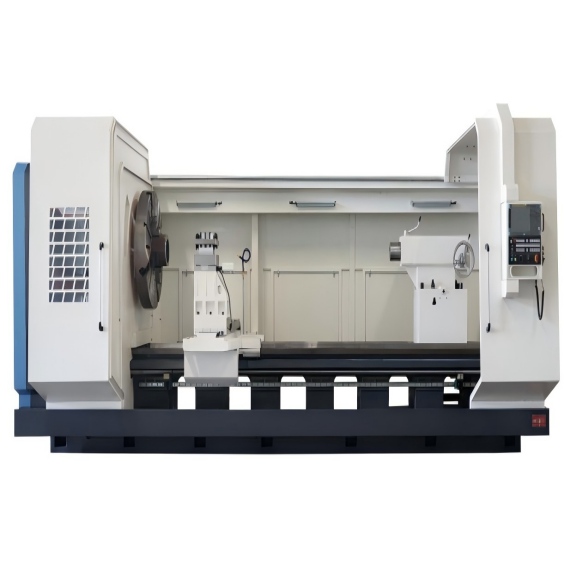
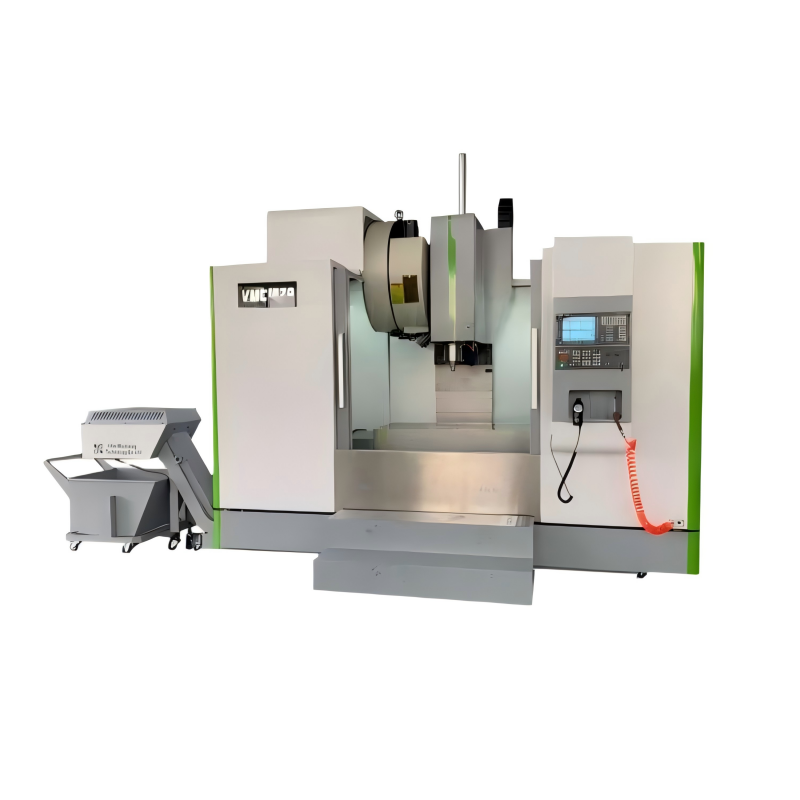
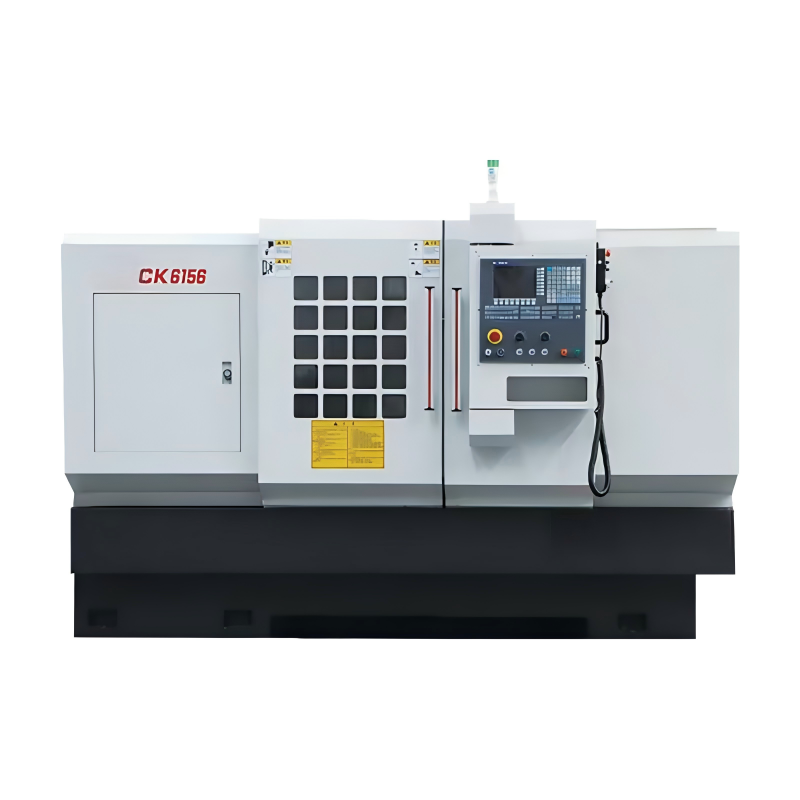
In an era dominated by automation and digital technology, the traditional manual lathe machine continues to hold a significant place in the manufacturing industry. This tool, while seemingly simple, requires a high degree of skill and precision from its operator. The following sections will explore how mastering this classic piece of machinery can enhance one's skills, offering insights into the nuances of manual machining and the benefits it brings to both individuals and industries.
Despite the advancements in automated systems, there are still numerous scenarios where the human touch is irreplaceable. In situations that demand custom or small-batch production, the ability to operate a manual lathe machine becomes invaluable. Such environments often require quick adjustments and a level of flexibility that automated systems cannot always provide. Skilled machinists who can efficiently use these tools are thus highly sought after, making the learning of such skills not only relevant but also essential for career growth in the field of manufacturing.
Moreover, the process of manually operating a lathe fosters a deep understanding of material properties and machining principles. This hands-on experience enables machinists to better understand the underlying mechanics, which can be applied across various other areas within the industry. For instance, knowledge gained through manual operations can help in troubleshooting automated systems, as it provides a solid foundation in the basic principles of machining.
One of the most critical aspects of working with a manual lathe machine is the development of precision and attention to detail. Unlike automated processes, manual lathes rely entirely on the operator’s judgment and control. Each cut, turn, and adjustment must be made with utmost care to achieve the desired outcome. This level of engagement demands a high degree of concentration and patience, qualities that are crucial in any form of engineering or manufacturing work.
Through consistent practice, operators learn to fine-tune their movements and develop a keen sense of spatial awareness. Over time, they become adept at visualizing the final product and planning the necessary steps to achieve it. This skill is particularly useful when dealing with complex parts or intricate designs, where even the slightest error can lead to significant deviations from the intended specifications. The ability to produce precise and accurate components consistently is a hallmark of a skilled machinist and is highly valued in the industry.
Operating a manual lathe machine is not just about following a set of instructions; it involves a significant amount of problem-solving. Every project presents unique challenges, from selecting the right cutting tools to determining the optimal speed and feed rates. Machinists must constantly adapt and adjust their techniques based on the materials being worked with and the specific requirements of the job.
This dynamic environment encourages creative thinking and innovation. When faced with unexpected issues, such as tool wear or material inconsistencies, experienced machinists can quickly devise solutions to keep the project on track. These problem-solving skills are transferable to many other areas of life and work, making them a valuable asset beyond the workshop floor. Furthermore, the iterative process of trial and error involved in manual machining helps build resilience and a willingness to experiment, key traits in any professional setting.
While the focus here is on the traditional manual lathe machine, the skills acquired through its use form a strong foundation for understanding and working with more advanced technologies. Many modern CNC (Computer Numerical Control) machines, for example, are built upon the same fundamental principles as manual lathes. A thorough understanding of these basics allows machinists to transition more easily to automated systems, as they already possess the necessary theoretical and practical knowledge.
Additionally, the tactile feedback and direct interaction with the machine that come with manual operation provide a deeper appreciation for the capabilities and limitations of the equipment. This insight is invaluable when programming and operating CNC machines, as it helps in making informed decisions about tool paths, speeds, and feeds. The ability to bridge the gap between manual and automated processes is a significant advantage, enabling machinists to stay versatile and adaptable in an ever-evolving industry.
In conclusion, the mastery of a manual lathe machine offers a wealth of benefits that extend far beyond the immediate task at hand. It enhances precision, attention to detail, and problem-solving abilities, all of which are essential in the field of manufacturing. Furthermore, the foundational knowledge gained from manual machining serves as a stepping stone to more advanced technologies, ensuring that machinists remain relevant and competitive in the industry. As we continue to advance technologically, the value of these traditional skills should not be underestimated, but rather celebrated and nurtured for the unique advantages they bring.
 24/06/2026
Manual Lathe Machines, despite being one of the oldest types of machine tools, continue to hold a significant place in modern workshops. This report aims to explore the enduring charm and functionality of manual lathes, highlighting their unique advantage
Read More24/06/2026The manual lathe machine, a tool that has been around for centuries, continues to play an essential role in the manufacturing and prototyping industries. This versatile piece of equipment allows for the creation of complex shapes and parts with high preci
Read More23/06/2026In the realm of precision machining, few tools hold as much significance as the manual lathe machine. This versatile piece of equipment has been a cornerstone in manufacturing and engineering for centuries, enabling craftsmen and engineers to produce intr
Read More23/06/2026Mastering the manual lathe machine is a fundamental skill for anyone involved in manufacturing or machining. This versatile tool, known as the manual lathe machine, has been at the heart of precision engineering for centuries. In this technical report, we
Read More23/06/2026The art of precision in manual lathe machining is a testament to the enduring relevance of traditional manufacturing techniques, even in an era dominated by automation and digitalization. This report delves into the intricacies of manual lathe operations,
Read MoreOur professional sales team is always ready to assist you.