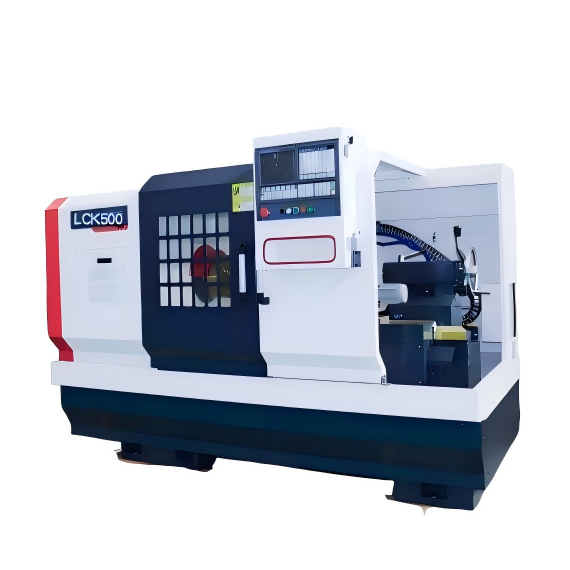
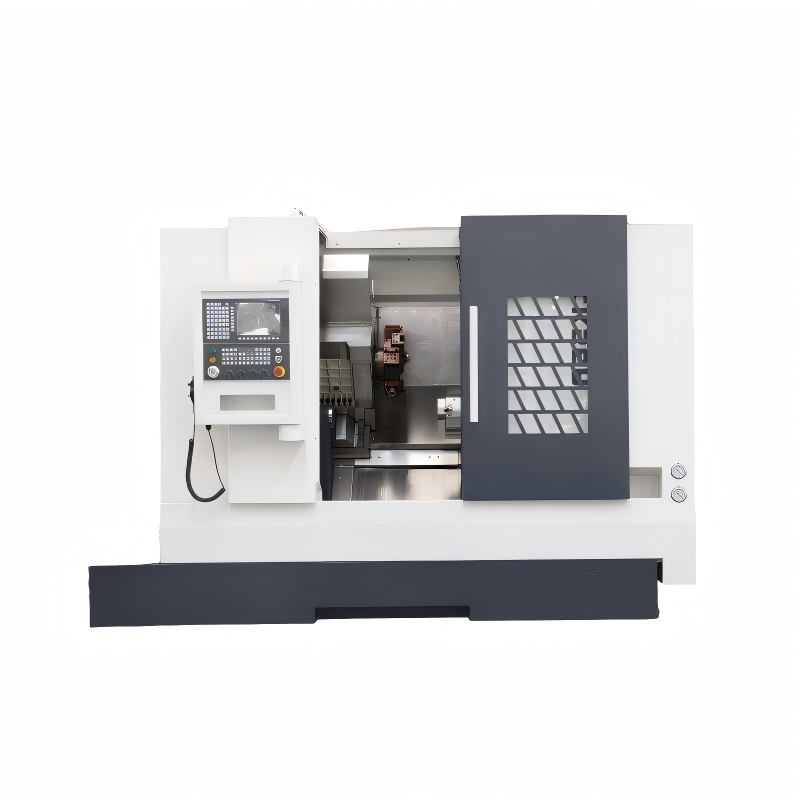
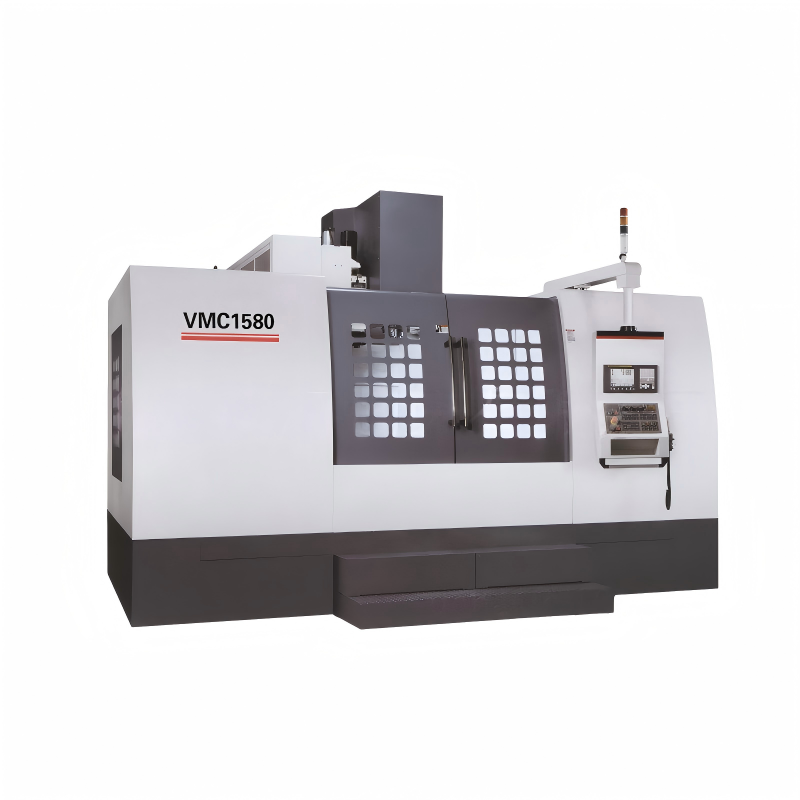
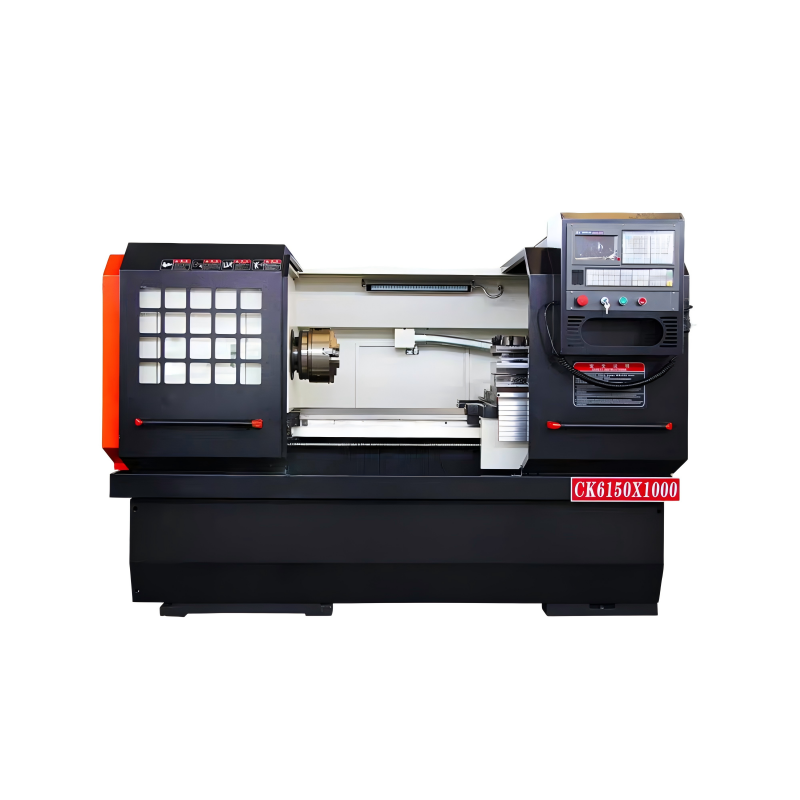
The manual lathe machine, a tool that has been around for centuries, continues to play an essential role in the manufacturing and prototyping industries. This versatile piece of equipment allows for the creation of complex shapes and parts with high precision, making it a staple in many workshops and factories. In this report, we will delve into the capabilities and applications of the manual lathe machine, exploring its importance in modern manufacturing processes.
A manual lathe machine operates by rotating a workpiece on a spindle while a cutting tool, held in a fixed position, removes material from the workpiece. The operator controls the movement of the cutting tool and the speed of the spindle, allowing for precise control over the shaping process. This hands-on approach requires skill and experience, but it also offers unparalleled flexibility and customization. Unlike automated machines, the manual lathe allows the operator to make real-time adjustments, which is particularly useful for small-scale production and prototyping. The ability to fine-tune the process manually ensures that each part can be tailored to meet specific requirements, making the manual lathe machine a valuable asset in any workshop.
The versatility of the manual lathe machine makes it suitable for a wide range of applications across different industries. In the automotive sector, for example, manual lathes are used to create custom parts, such as pistons, gears, and shafts. These components often require high precision and unique specifications, which the manual lathe can deliver. In the aerospace industry, where tolerances are extremely tight, manual lathes are employed to produce critical parts like turbine blades and engine components. The ability to make minute adjustments and ensure perfect alignment is crucial in these applications. Additionally, in the medical field, manual lathes are used to manufacture surgical instruments and prosthetic components, where precision and reliability are paramount. The adaptability of the manual lathe machine means it can be used in almost any industry that requires high-precision machining, making it a versatile and indispensable tool.
While automated CNC (Computer Numerical Control) lathes have become increasingly popular, there are still several advantages to using a manual lathe machine. One of the key benefits is the lower initial cost. Manual lathes are generally more affordable than their automated counterparts, making them a more accessible option for small businesses and hobbyists. Additionally, manual lathes do not require specialized software or extensive programming knowledge, reducing the learning curve and operational complexity. This simplicity also means that maintenance and repairs are typically easier and less costly. Another significant advantage is the ability to handle non-standard or one-off projects. Manual lathes allow for quick setup and immediate adjustments, making them ideal for custom work and small batch production. The hands-on nature of manual lathes also fosters a deeper understanding of the machining process, which can lead to more innovative and creative solutions. Overall, the manual lathe machine offers a cost-effective, flexible, and user-friendly alternative to automated solutions, making it a valuable tool in many workshops.
To get the most out of a manual lathe machine, it is important to employ effective techniques and follow best practices. First, proper setup is crucial. Ensuring that the workpiece is securely clamped and the cutting tool is correctly positioned can significantly improve the accuracy and quality of the finished part. Regular maintenance, including lubrication and cleaning, is also essential to keep the lathe running smoothly and extend its lifespan. Additionally, using the right cutting tools and materials is vital. High-quality tools and appropriate materials can enhance the performance of the lathe and reduce the risk of defects. It is also important to maintain a steady and consistent feed rate, as sudden changes can lead to inaccuracies and tool wear. Finally, continuous learning and practice are key to mastering the manual lathe. Operators should stay updated on the latest techniques and technologies, and regularly practice to refine their skills. By following these tips, operators can maximize the efficiency and effectiveness of their manual lathe machine, ensuring high-quality results and a productive workflow.
As technology continues to advance, the manual lathe machine is also evolving to meet the changing needs of the manufacturing industry. One of the key trends is the integration of digital readouts and electronic controls. These features provide real-time feedback and enhanced precision, bridging the gap between manual and automated lathes. Additionally, there is a growing focus on ergonomics and user comfort. New designs are being developed to reduce operator fatigue and improve overall usability. For example, some manual lathes now feature adjustable workstations and improved lighting, making it easier for operators to work for extended periods. Another area of innovation is the development of hybrid lathes, which combine the flexibility of manual operation with the precision and repeatability of CNC technology. These hybrid machines offer the best of both worlds, allowing operators to switch between manual and automated modes as needed. As the demand for high-precision, customizable parts continues to grow, the manual lathe machine is likely to remain a vital tool in the manufacturing landscape, with ongoing advancements enhancing its capabilities and usability.
In conclusion, the manual lathe machine is a versatile and indispensable tool in the manufacturing and prototyping industries. Its ability to provide high precision, flexibility, and customization makes it a valuable asset in various applications. While automated solutions have their place, the manual lathe offers unique advantages, including lower costs, ease of use, and the ability to handle non-standard projects. By employing effective techniques and staying informed about the latest innovations, operators can maximize the potential of their manual lathe machine, ensuring high-quality results and a productive workflow.
 24/06/2026
Manual Lathe Machines, despite being one of the oldest types of machine tools, continue to hold a significant place in modern workshops. This report aims to explore the enduring charm and functionality of manual lathes, highlighting their unique advantage
Read More24/06/2026In an era dominated by automation and digital technology, the traditional manual lathe machine continues to hold a significant place in the manufacturing industry. This tool, while seemingly simple, requires a high degree of skill and precision from its o
Read More23/06/2026In the realm of precision machining, few tools hold as much significance as the manual lathe machine. This versatile piece of equipment has been a cornerstone in manufacturing and engineering for centuries, enabling craftsmen and engineers to produce intr
Read More23/06/2026Mastering the manual lathe machine is a fundamental skill for anyone involved in manufacturing or machining. This versatile tool, known as the manual lathe machine, has been at the heart of precision engineering for centuries. In this technical report, we
Read More23/06/2026The art of precision in manual lathe machining is a testament to the enduring relevance of traditional manufacturing techniques, even in an era dominated by automation and digitalization. This report delves into the intricacies of manual lathe operations,
Read MoreOur professional sales team is always ready to assist you.