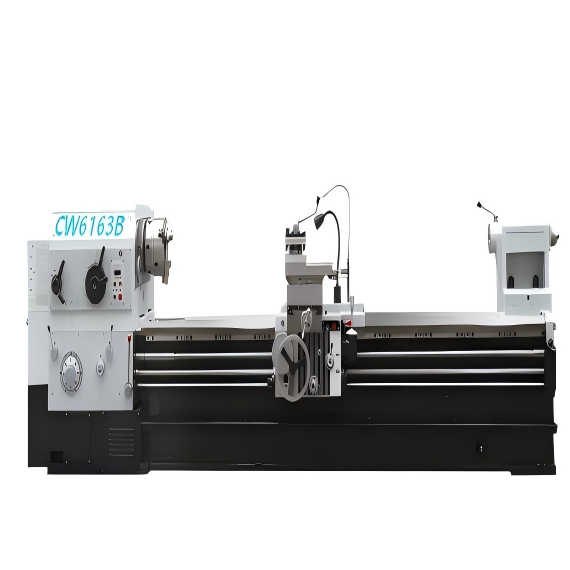
In the field of manufacturing, particularly in the production of long shafts, the conventional lathe continues to play an indispensable role. This tool, with its robust design and versatile capabilities, remains a cornerstone for many workshops and factories around the globe. This report aims to explore the specific contributions and applications of conventional lathes in the production of long shafts, highlighting their importance, limitations, and future prospects.
The Versatility of Conventional Lathes in Long Shaft Production
Conventional lathes are renowned for their adaptability, which makes them suitable for a wide range of machining tasks, including the production of long shafts. These machines can handle various materials such as steel, aluminum, and brass, allowing manufacturers to produce high-precision components with consistent quality. The ability to adjust speeds and feeds manually enables operators to fine-tune the process, ensuring optimal results for each unique project. For instance, when working on a long shaft, the operator can control the cutting speed and depth to achieve the desired surface finish and dimensional accuracy. This level of control is crucial in industries where precision and reliability are paramount, such as automotive and aerospace.
Challenges and Solutions in Long Shaft Machining
While conventional lathes offer significant advantages, they also present certain challenges, especially when it comes to machining long shafts. One of the primary issues is maintaining straightness and concentricity over the entire length of the shaft. To address this, manufacturers often employ specialized techniques and tools. For example, the use of steady rests and tailstocks helps to support the workpiece, reducing deflection and vibration during the machining process. Additionally, the implementation of advanced measurement systems, such as laser alignment and digital calipers, ensures that the final product meets the required specifications. These solutions, combined with the experience and skill of the operator, make it possible to produce high-quality long shafts using conventional lathes.
Economic and Practical Considerations
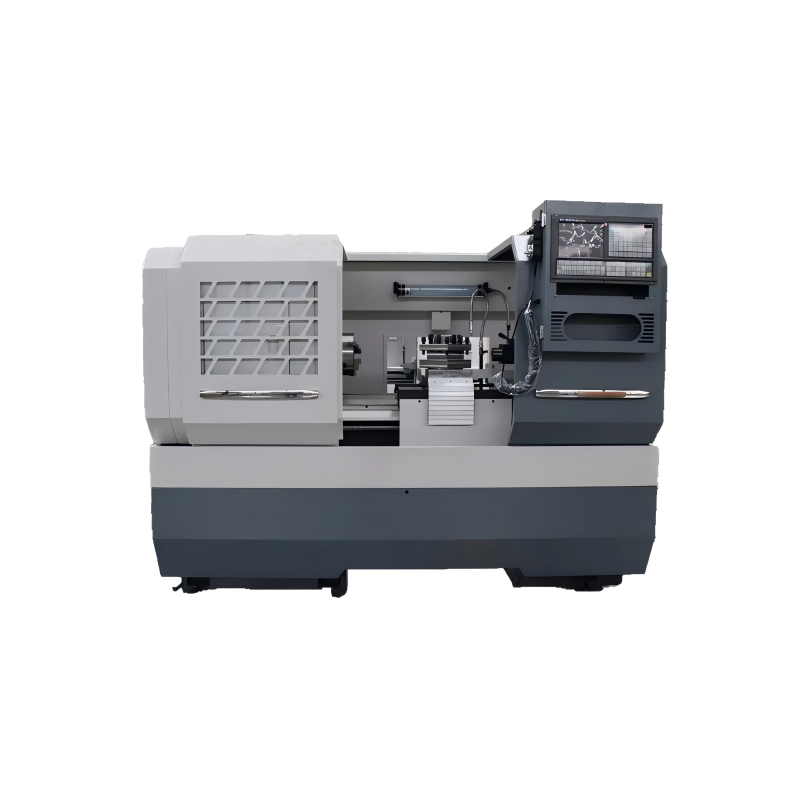
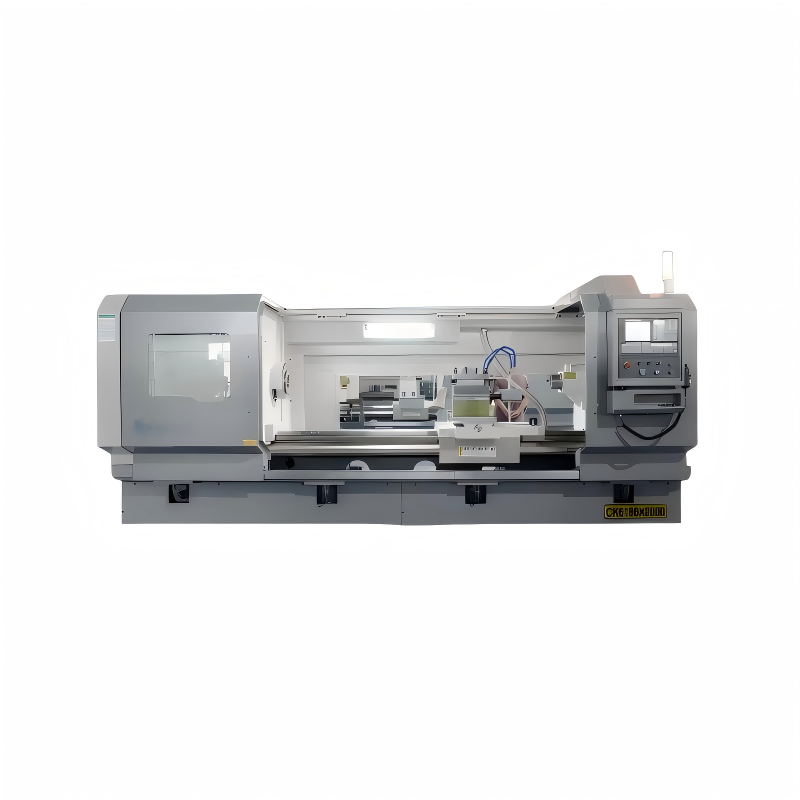
From an economic perspective, conventional lathes offer several benefits that make them a cost-effective choice for long shaft production. Firstly, these machines have a relatively low initial investment compared to more advanced CNC (Computer Numerical Control) lathes. This makes them accessible to small and medium-sized enterprises, which may not have the budget for more expensive equipment. Secondly, the operational costs of conventional lathes are generally lower, as they do not require complex programming or specialized training. Operators with basic machining skills can effectively use these machines, reducing the need for extensive training programs. Furthermore, the simplicity of conventional lathes means that maintenance and repairs are straightforward, leading to minimal downtime and increased productivity. These factors contribute to the overall cost-effectiveness of using conventional lathes in the production of long shafts.
Future Trends and Innovations
Despite the continued relevance of conventional lathes, the manufacturing industry is constantly evolving, and new technologies are emerging. One such innovation is the integration of automation and digitalization into traditional lathes. Hybrid machines that combine the flexibility of manual operation with the precision and efficiency of CNC technology are becoming increasingly popular. These hybrid lathes allow for automated processes while still providing the operator with the ability to make manual adjustments, offering the best of both worlds. Additionally, advancements in material science and cutting tool technology are enhancing the performance of conventional lathes. New materials and coatings for cutting tools, for example, can improve durability and reduce wear, leading to longer tool life and higher productivity. As these innovations continue to develop, conventional lathes will remain a vital part of the manufacturing landscape, adapting to meet the changing needs of the industry.
In conclusion, the Conventional lathe for long shaft production is a versatile and cost-effective solution that continues to play a crucial role in modern manufacturing. While there are challenges associated with machining long shafts, these can be effectively managed through the use of specialized techniques and tools. The economic and practical benefits, coupled with ongoing technological advancements, ensure that conventional lathes will remain a key component in the production of high-quality long shafts for years to come.

 24/06/2026



