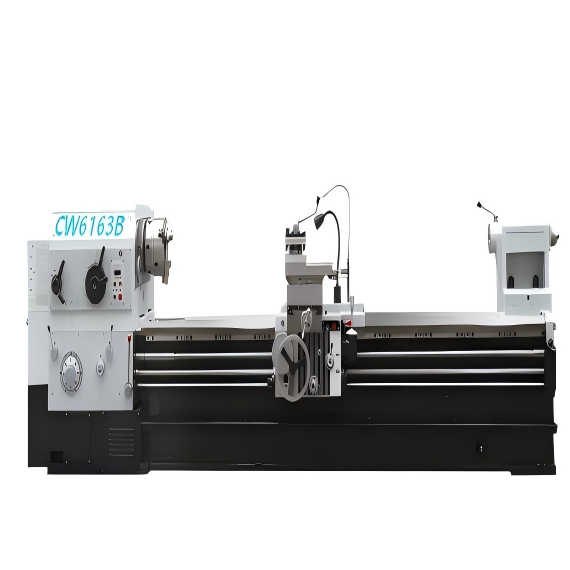
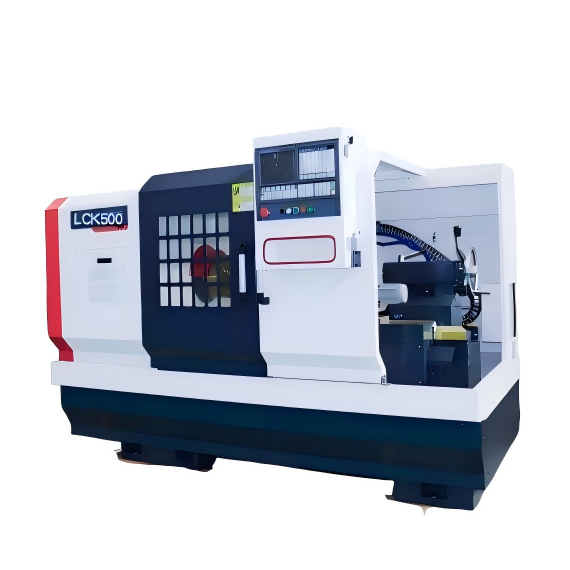
When it comes to machining long shafts, a Conventional lathe for long shaft offers a reliable and versatile solution. However, working with such components presents unique challenges that require advanced setups and techniques to ensure precision, efficiency, and safety. This technical report will explore several key strategies for optimizing the turning process on a conventional lathe, focusing on the specific needs of long shaft workpieces.
Turning long shafts on a conventional lathe for long shaft involves a series of challenges that can impact the quality and accuracy of the final product. One of the primary issues is the deflection or bending of the workpiece due to its length. As the shaft extends beyond the support points, it becomes more susceptible to vibrations and deformations, which can lead to inaccuracies in the machining process. Additionally, the weight and size of the shaft can make it difficult to handle, increasing the risk of operator error and potential safety hazards. Understanding these challenges is the first step in developing effective solutions to overcome them.
One of the most critical aspects of turning long shafts is the workholding setup. The right workholding solution can significantly reduce deflection and improve the overall stability of the workpiece. For a conventional lathe for long shaft, using a combination of steady rests and follow rests is highly recommended. Steady rests provide additional support at intermediate points along the shaft, while follow rests help guide the workpiece as it moves through the cutting area. These tools should be carefully adjusted to ensure they are properly aligned and do not apply excessive pressure, which could cause the shaft to bend or deform. Additionally, using live centers at both ends of the lathe can help distribute the load more evenly, further reducing the risk of deflection.
Advanced cutting techniques can also play a crucial role in achieving high-quality results when turning long shafts on a conventional lathe for long shaft. One effective approach is to use a balanced cutting strategy, where the cutting forces are distributed evenly across the length of the workpiece. This can be achieved by making multiple passes with lighter cuts, rather than a single deep cut. Another technique is to use specialized tooling, such as carbide-tipped inserts, which offer superior wear resistance and can maintain their sharpness over longer periods. Furthermore, employing coolant systems to keep the cutting zone cool and lubricated can help prevent overheating and improve the surface finish of the machined shaft. By combining these cutting techniques, operators can achieve higher precision and better surface quality, even when working with long and heavy workpieces.
Maintenance and calibration are essential for maintaining the performance and accuracy of a conventional lathe for long shaft. Regularly inspecting and servicing the machine, including the spindle, bearings, and ways, can help identify and address any issues that may affect the machining process. Additionally, calibrating the lathe’s alignment and ensuring that all components are properly adjusted can significantly reduce the risk of errors and inconsistencies. It is also important to regularly check and adjust the workholding devices, such as steady rests and follow rests, to ensure they are functioning correctly and providing the necessary support. By adhering to a rigorous maintenance and calibration schedule, operators can ensure that their conventional lathe for long shaft remains in optimal condition, capable of producing high-quality, precise long shafts consistently.
Turning long shafts on a conventional lathe for long shaft requires a comprehensive approach that addresses the unique challenges associated with such workpieces. By understanding the potential issues, optimizing workholding solutions, implementing advanced cutting techniques, and ensuring proper maintenance and calibration, operators can achieve high-precision and efficient machining. These strategies not only enhance the quality of the final product but also contribute to a safer and more productive machining environment. With the right setup and techniques, a conventional lathe for long shaft can be a powerful tool for producing high-quality, long shaft components.
 23/06/2026
Choosing the right conventional lathe for long shaft production is a critical decision that can significantly impact the quality, efficiency, and cost-effectiveness of your manufacturing process. This technical report aims to guide you through the essenti
Read More23/06/2026In the realm of machining, working with long shafts on a conventional lathe presents unique challenges that require careful planning and execution. This report aims to provide practical advice for maximizing efficiency when using a conventional lathe on l
Read More23/06/2026IntroductionThe conventional lathe, a fundamental machine tool in the manufacturing industry, has been a cornerstone of precision machining for centuries. Its versatility and reliability have made it an indispensable asset, especially when it comes to the
Read More23/06/2026The machining of long shafts is a critical process in many industries, from automotive to aerospace. Achieving high precision and quality on conventional lathes for long shafts requires a deep understanding of the techniques and principles involved. This
Read More23/06/2026Understanding the Basics of Conventional Lathe for Long Shaft Machining In the realm of precision engineering, conventional lathes play a crucial role in manufacturing long shafts. A conventional lathe for long shaft is designed to handle workpieces that
Read More17/06/2026Introduction to the CW61 Series Universal Turning Lathe The CW61 series universal turning lathe is a versatile and reliable machine that has been widely used in various industries for its ability to handle a wide range of machining tasks. This article aim
Read More15/06/2026The application of conventional lathes for long shafts in engineering projects is a well-established practice, offering numerous advantages that make it an indispensable tool in the manufacturing industry. This report aims to provide a comprehensive under
Read More15/06/2026The CW61 series universal turning lathe, designed with precision and versatility in mind, has become an indispensable tool in modern workshops, particularly for the machining of long shafts. This technical report explores how the CW61 series not only meet
Read MoreOur professional sales team is always ready to assist you.