Introduction
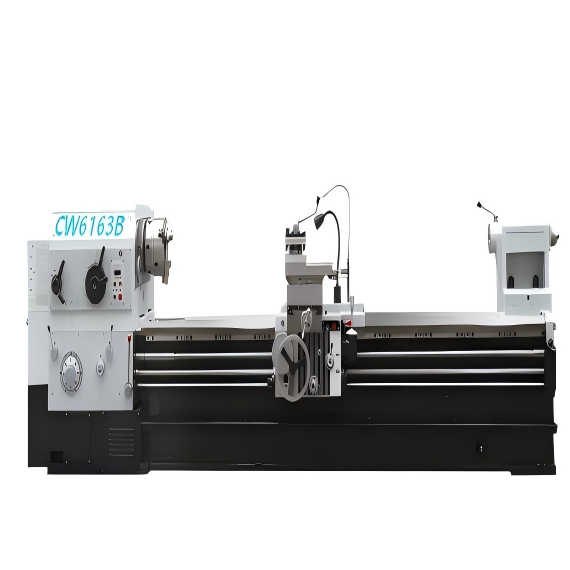
The conventional lathe, a fundamental machine tool in the manufacturing industry, has been a cornerstone of precision machining for centuries. Its versatility and reliability have made it an indispensable asset, especially when it comes to the production of long shafts. This report delves into the role of conventional lathes in the manufacturing of long shafts, highlighting their unique capabilities, advantages, and the challenges they face in modern industrial settings.
Conventional lathes are well-suited for the production of long shafts due to their robust design and operational flexibility. These machines can handle a wide range of materials, from soft metals like aluminum to harder alloys such as stainless steel. The ability to adjust the speed and feed rates manually allows operators to fine-tune the machining process, ensuring optimal results. For long shafts, this means achieving consistent surface finishes and tight tolerances over extended lengths. Additionally, the use of steady rests and follow rests helps to support the workpiece, reducing deflection and vibration, which are critical factors in maintaining accuracy and quality.
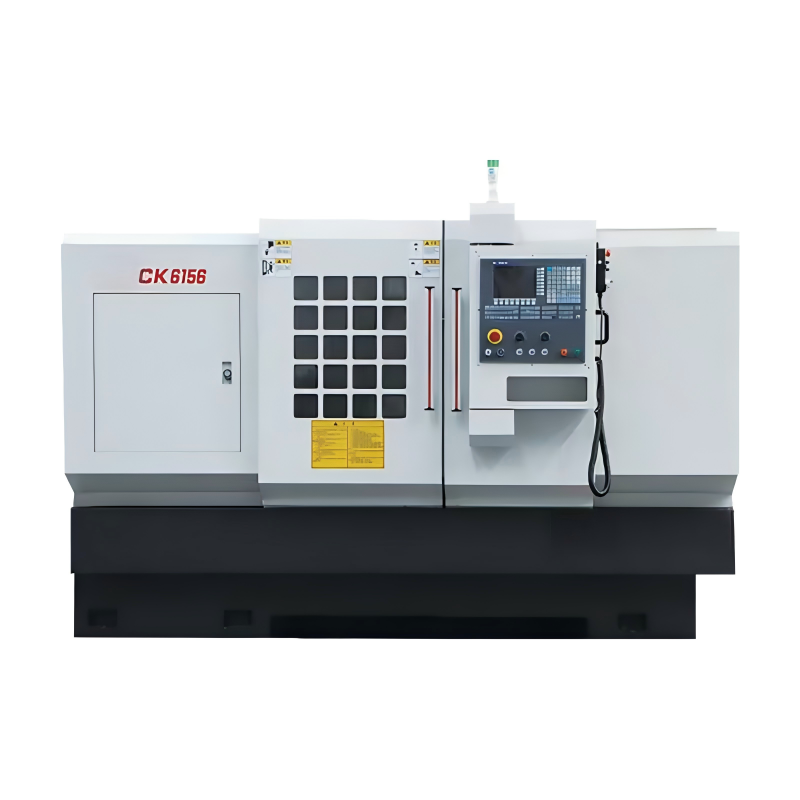
One of the key advantages of using conventional lathes for the manufacturing of long shafts is their economic efficiency. While CNC (Computer Numerical Control) lathes offer advanced automation and precision, they come with a higher initial investment and maintenance costs. Conventional lathes, on the other hand, are more affordable and require less complex setup and programming. This makes them a cost-effective solution for small to medium-sized production runs. Furthermore, the manual control provided by conventional lathes allows skilled operators to adapt to variations in the material and the machining process, potentially reducing scrap rates and increasing overall productivity. In many cases, the combination of lower upfront costs and the ability to produce high-quality parts efficiently makes conventional lathes a preferred choice for manufacturers working with long shafts.
Another significant advantage of conventional lathes is their flexibility in handling custom and complex machining tasks. Long shafts often require specific features, such as tapers, threads, and grooves, which can be challenging to achieve with automated systems. Conventional lathes allow operators to perform these operations with a high degree of precision and control. For example, threading operations on long shafts can be done manually, ensuring that the pitch and depth are consistent throughout the length of the part. Similarly, taper turning, a common requirement for certain types of shafts, can be easily accomplished using the carriage and cross-slide mechanisms of a conventional lathe. This level of customization and flexibility is particularly valuable in industries where unique or specialized components are needed, such as in aerospace, automotive, and heavy machinery.
Despite their many advantages, conventional lathes also face certain challenges and limitations, especially in the context of long shaft manufacturing. One of the primary concerns is the potential for operator error. Manual operation requires a high level of skill and experience, and even minor mistakes can lead to significant quality issues. Additionally, the physical effort required to operate a conventional lathe over long periods can lead to fatigue, which may affect the consistency and accuracy of the work. Another limitation is the time-consuming nature of setting up and adjusting the machine for each new task. This can be a bottleneck in high-volume production environments where rapid changeovers are necessary. Finally, the reliance on manual control means that conventional lathes may not be as suitable for highly repetitive or large-scale production runs, where automation and standardization are crucial.
In conclusion, the conventional lathe continues to play a vital role in the manufacturing of long shafts, offering a balance of operational capabilities, economic efficiency, and customization. While they may not be as advanced as their CNC counterparts, conventional lathes provide a reliable and cost-effective solution for many applications. By leveraging their strengths and addressing their limitations, manufacturers can effectively utilize conventional lathes to produce high-quality long shafts that meet the stringent requirements of various industries. As technology continues to evolve, the conventional lathe remains a versatile and indispensable tool in the modern manufacturing landscape.
 23/06/2026
When it comes to machining long shafts, a conventional lathe for long shaft offers a reliable and versatile solution. However, working with such components presents unique challenges that require advanced setups and techniques to ensure precision, efficie
Read More23/06/2026Choosing the right conventional lathe for long shaft production is a critical decision that can significantly impact the quality, efficiency, and cost-effectiveness of your manufacturing process. This technical report aims to guide you through the essenti
Read More23/06/2026In the realm of machining, working with long shafts on a conventional lathe presents unique challenges that require careful planning and execution. This report aims to provide practical advice for maximizing efficiency when using a conventional lathe on l
Read More23/06/2026The machining of long shafts is a critical process in many industries, from automotive to aerospace. Achieving high precision and quality on conventional lathes for long shafts requires a deep understanding of the techniques and principles involved. This
Read More23/06/2026Understanding the Basics of Conventional Lathe for Long Shaft Machining In the realm of precision engineering, conventional lathes play a crucial role in manufacturing long shafts. A conventional lathe for long shaft is designed to handle workpieces that
Read More17/06/2026Introduction to the CW61 Series Universal Turning Lathe The CW61 series universal turning lathe is a versatile and reliable machine that has been widely used in various industries for its ability to handle a wide range of machining tasks. This article aim
Read More15/06/2026The application of conventional lathes for long shafts in engineering projects is a well-established practice, offering numerous advantages that make it an indispensable tool in the manufacturing industry. This report aims to provide a comprehensive under
Read More15/06/2026The CW61 series universal turning lathe, designed with precision and versatility in mind, has become an indispensable tool in modern workshops, particularly for the machining of long shafts. This technical report explores how the CW61 series not only meet
Read MoreOur professional sales team is always ready to assist you.