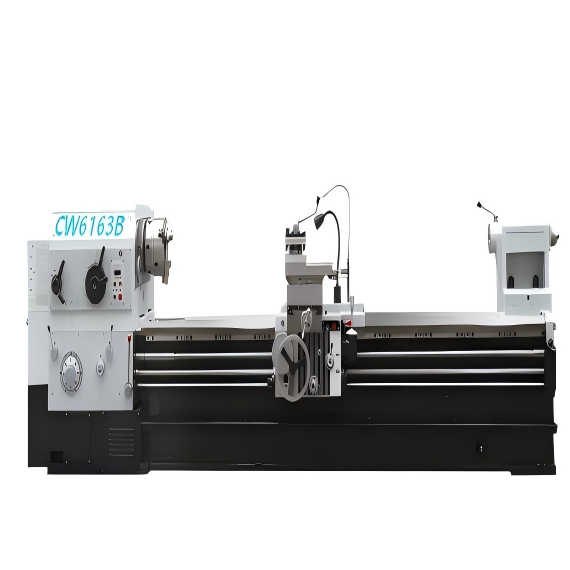
The conventional lathe has been a staple in the manufacturing industry for centuries, playing an essential role in the production of long shafts. This report aims to explore the significance of conventional lathes in the context of long shaft manufacturing, highlighting their advantages, limitations, and the processes involved. By understanding these aspects, manufacturers can optimize their operations and produce high-quality long shafts efficiently.
The conventional lathe, also known as a manual lathe, has a rich history dating back to ancient Egypt. Over the centuries, it has evolved from simple hand-operated tools to sophisticated machines capable of producing complex parts with high precision. The development of the Conventional lathe for long shafts has been particularly significant, as it has enabled the production of components used in various industries, including automotive, aerospace, and heavy machinery.
Early lathes were primarily used for turning wood, but as the Industrial Revolution progressed, metalworking became more prevalent. The introduction of the steam engine and later, electric motors, revolutionized the capabilities of lathes, allowing for greater speed and accuracy. Today, conventional lathes continue to be a reliable and cost-effective solution for many manufacturing processes, especially for the production of long shafts.
Conventional lathes offer several advantages that make them ideal for the production of long shafts. One of the primary benefits is their versatility. These machines can handle a wide range of materials, including steel, aluminum, and brass, making them suitable for various applications. Additionally, conventional lathes are highly customizable, allowing operators to adjust settings and tooling to meet specific requirements.
Another significant advantage is the level of control provided by conventional lathes. Skilled machinists can achieve high precision and finish quality, which is crucial for long shafts used in critical applications. The ability to manually control the cutting process ensures that even the most intricate details are accurately reproduced. Furthermore, conventional lathes are relatively easy to maintain and repair, reducing downtime and operational costs.
Cost-effectiveness is another key factor. While CNC (Computer Numerical Control) lathes offer advanced automation and higher throughput, they come with a higher initial investment and maintenance costs. For small to medium-sized operations, conventional lathes provide a more economical solution without compromising on quality. This makes them particularly attractive for businesses that need to produce long shafts in smaller quantities or with frequent design changes.
Despite their numerous advantages, conventional lathes for long shafts also have some limitations. One of the main challenges is the dependency on skilled labor. The operation of a conventional lathe requires a high level of expertise and experience, which can be a barrier for some manufacturers. Training and retaining skilled machinists can be time-consuming and costly.
Another limitation is the potential for human error. Manual operations are more prone to mistakes, which can lead to inconsistencies in the final product. This is particularly problematic for long shafts, where even minor deviations can affect the overall performance and safety of the component. To mitigate this risk, rigorous quality control measures and continuous training programs are essential.
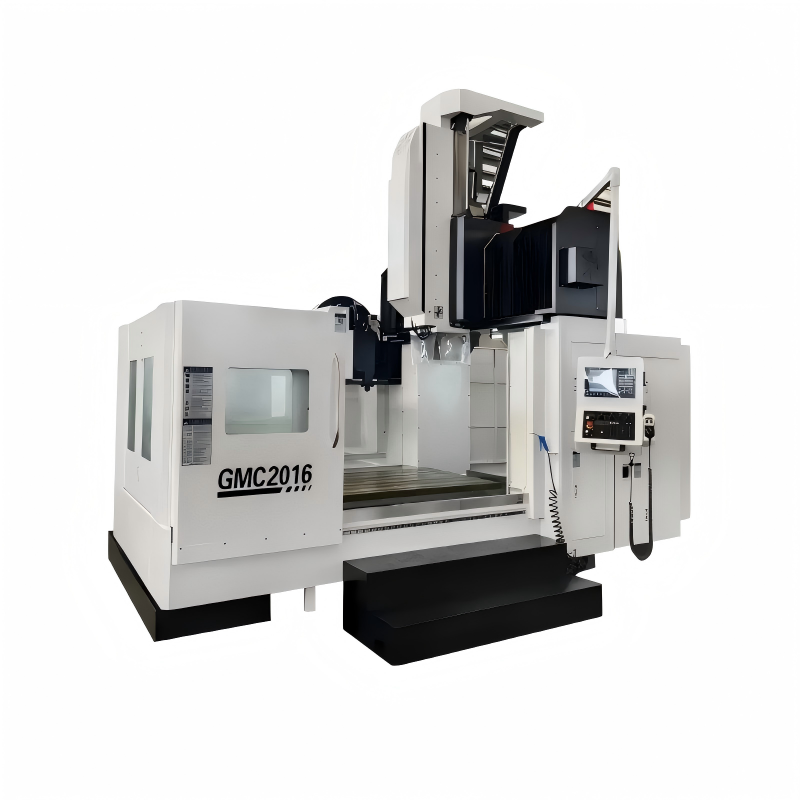
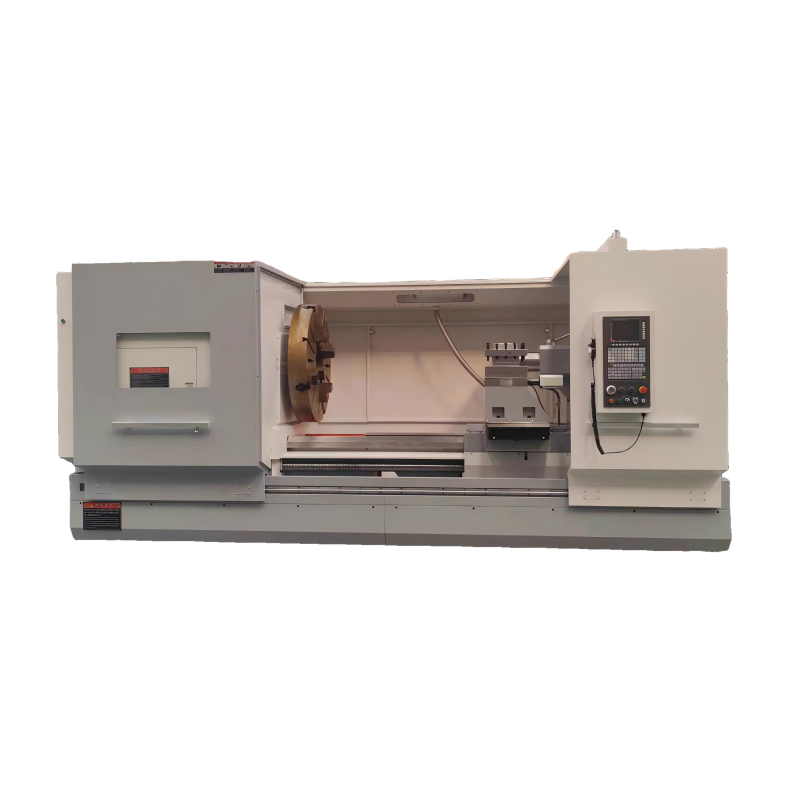
Additionally, conventional lathes may not be as efficient as CNC Lathes in terms of production speed and repeatability. CNC lathes can operate continuously with minimal human intervention, making them better suited for large-scale production. However, for smaller batches or custom orders, the flexibility and adaptability of conventional lathes often outweigh these limitations.
The production of long shafts using a conventional lathe involves several key processes and techniques. The first step is to secure the workpiece in the lathe's chuck or between centers. This ensures that the shaft remains stable during the machining process. The operator then selects the appropriate cutting tools, such as carbide or high-speed steel (HSS) inserts, depending on the material and desired finish.
Turning is the primary operation performed on a conventional lathe. This involves rotating the workpiece while a stationary cutting tool removes material to achieve the desired shape and dimensions. For long shafts, multiple passes may be required to ensure uniformity and accuracy along the entire length of the part. The operator must carefully monitor the cutting parameters, such as feed rate, depth of cut, and spindle speed, to prevent defects and maintain surface finish quality.
Other common operations include facing, which is used to create flat surfaces at the ends of the shaft, and threading, which is essential for creating screw threads. These processes require specialized tools and careful setup to achieve the required tolerances. Additionally, finishing operations, such as sanding or polishing, may be necessary to improve the surface finish and appearance of the long shaft.
Quality control is a critical aspect of long shaft production. After machining, the shafts are inspected for dimensional accuracy, surface finish, and any potential defects. This may involve the use of measuring instruments such as micrometers, calipers, and coordinate measuring machines (CMMs). Ensuring that the final product meets the specified standards is crucial for maintaining the integrity and reliability of the long shaft in its intended application.
In conclusion, the conventional lathe for long shafts remains a vital tool in the manufacturing industry, offering a unique combination of versatility, precision, and cost-effectiveness. While there are limitations and challenges associated with their use, the advantages they provide make them an indispensable part of many production processes. By understanding the historical context, advantages, limitations, and processes involved, manufacturers can leverage the full potential of conventional lathes to produce high-quality long shafts efficiently.
 24/06/2026
In the field of manufacturing, particularly in the production of long shafts, the conventional lathe continues to play an indispensable role. This tool, with its robust design and versatile capabilities, remains a cornerstone for many workshops and factor
Read More23/06/2026When it comes to machining long shafts, a conventional lathe for long shaft offers a reliable and versatile solution. However, working with such components presents unique challenges that require advanced setups and techniques to ensure precision, efficie
Read More23/06/2026Choosing the right conventional lathe for long shaft production is a critical decision that can significantly impact the quality, efficiency, and cost-effectiveness of your manufacturing process. This technical report aims to guide you through the essenti
Read More23/06/2026In the realm of machining, working with long shafts on a conventional lathe presents unique challenges that require careful planning and execution. This report aims to provide practical advice for maximizing efficiency when using a conventional lathe on l
Read More23/06/2026IntroductionThe conventional lathe, a fundamental machine tool in the manufacturing industry, has been a cornerstone of precision machining for centuries. Its versatility and reliability have made it an indispensable asset, especially when it comes to the
Read More23/06/2026The machining of long shafts is a critical process in many industries, from automotive to aerospace. Achieving high precision and quality on conventional lathes for long shafts requires a deep understanding of the techniques and principles involved. This
Read More23/06/2026Understanding the Basics of Conventional Lathe for Long Shaft Machining In the realm of precision engineering, conventional lathes play a crucial role in manufacturing long shafts. A conventional lathe for long shaft is designed to handle workpieces that
Read More17/06/2026Introduction to the CW61 Series Universal Turning Lathe The CW61 series universal turning lathe is a versatile and reliable machine that has been widely used in various industries for its ability to handle a wide range of machining tasks. This article aim
Read More15/06/2026The application of conventional lathes for long shafts in engineering projects is a well-established practice, offering numerous advantages that make it an indispensable tool in the manufacturing industry. This report aims to provide a comprehensive under
Read More15/06/2026The CW61 series universal turning lathe, designed with precision and versatility in mind, has become an indispensable tool in modern workshops, particularly for the machining of long shafts. This technical report explores how the CW61 series not only meet
Read MoreOur professional sales team is always ready to assist you.