Advanced Techniques for Operating a Vertical Milling Center

26/06/2026 13:54:59

Introduction

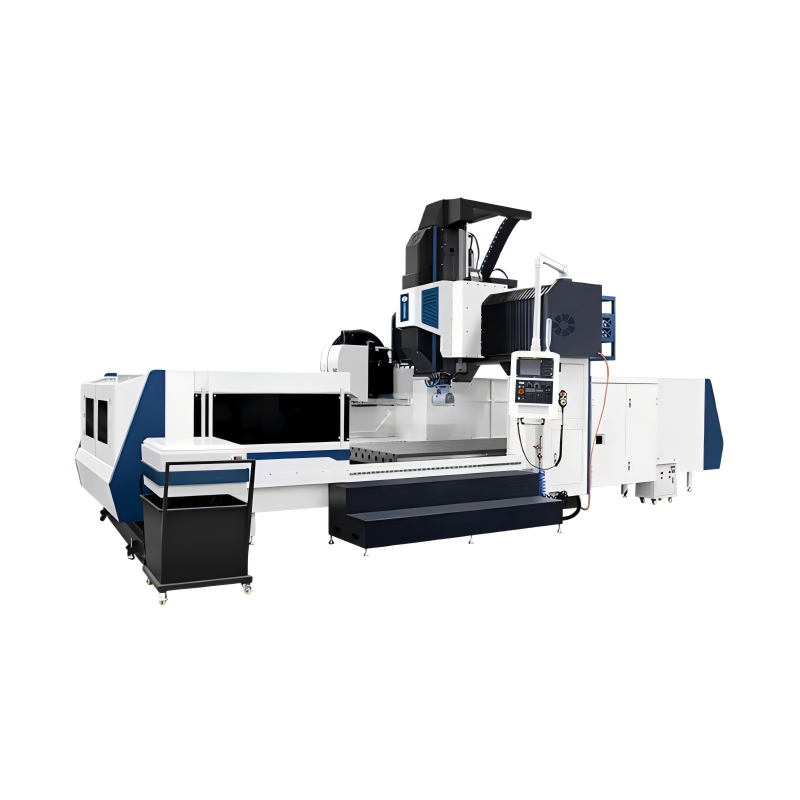
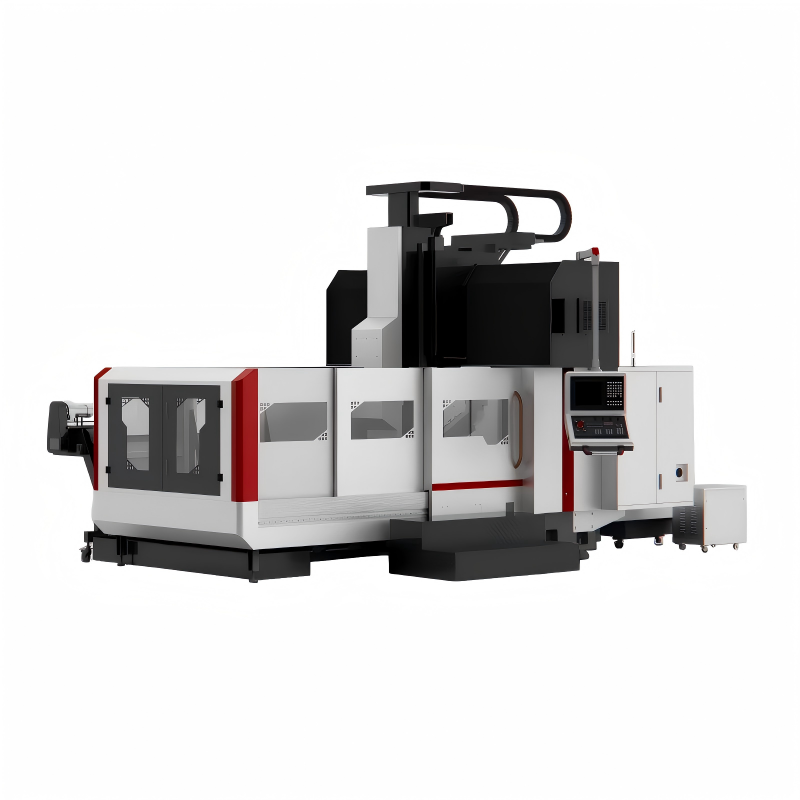
The Vertical Milling Machine center, also known as a VMC, is an essential piece of equipment in the manufacturing and machining industry. It is used for various operations such as cutting, drilling, and shaping materials with high precision. This report aims to explore advanced techniques for operating a vertical milling center, providing insights that can enhance productivity, efficiency, and quality of work. The discussion will cover key areas including setup optimization, tooling selection, and programming strategies.

Optimizing Setup for Enhanced Precision

One of the critical aspects of operating a Vertical Milling Machine Center effectively is the initial setup. A well-optimized setup not only ensures the accuracy of the final product but also minimizes the risk of errors and rework. Here are some advanced techniques for setting up your VMC:

  1. Workholding Solutions: Selecting the right workholding solution is crucial. For instance, using a vacuum table or a zero-point clamping system can significantly improve repeatability and reduce setup times. These systems allow for quick and precise positioning of the workpiece, ensuring consistent results.
  2. Tool Pre-Setting: Utilize off-machine tool pre-setters to measure and set the length and diameter of tools before they are loaded into the spindle. This step eliminates the need for manual measurement on the machine, saving time and reducing the likelihood of human error.
  3. Fixture Design: Design fixtures that are both rigid and versatile. Rigid fixtures minimize vibration and ensure stability during machining, while versatile designs allow for quick changes between different workpieces. Consider using modular fixturing systems that can be easily reconfigured for various parts.

By implementing these setup optimization techniques, operators can achieve higher precision and consistency in their machining processes.

Selecting the Right Tooling for Maximum Efficiency

Choosing the appropriate tooling is another vital factor in the operation of a vertical milling machine center. The right tools can significantly impact the speed, surface finish, and overall quality of the machined part. Here are some considerations for tooling selection:

  1. Material Compatibility: Match the tool material to the workpiece material. For example, carbide tools are ideal for hard materials like steel, while high-speed steel (HSS) tools may be more suitable for softer materials like aluminum. Understanding the properties of both the tool and the workpiece is essential for optimal performance.
  2. Cutting Parameters: Adjust the cutting parameters, such as feed rate, spindle speed, and depth of cut, based on the specific tool and material being used. Advanced software and simulation tools can help predict the best settings, reducing the need for trial and error and improving efficiency.
  3. Tool Geometry: The geometry of the tool, including the number of flutes, helix angle, and edge preparation, can greatly affect the machining process. For instance, a higher number of flutes can increase the surface finish, while a lower number can provide better chip evacuation. Customized tool geometries can be designed for specific applications to maximize performance.

By carefully selecting and configuring the tooling, operators can achieve maximum efficiency and produce high-quality parts with minimal waste.

Advanced Programming Strategies for Complex Machining

Programming is a critical aspect of operating a vertical milling machine center, especially when dealing with complex geometries and tight tolerances. Advanced programming strategies can help streamline the machining process and improve the overall quality of the finished product. Here are some key programming techniques:

  1. High-Speed Machining (HSM): HSM involves using high spindle speeds and feed rates to achieve faster material removal rates while maintaining excellent surface finish. This technique requires careful consideration of the tool path, tool engagement, and cutting parameters to avoid excessive heat and tool wear.
  2. Multi-Axis Machining: Utilize the full capabilities of a 4-axis or 5-axis VMC to machine complex parts in a single setup. Multi-axis machining allows for the creation of intricate features and reduces the need for multiple setups, which can save time and improve accuracy.
  3. Simulation and Verification: Before running the program on the machine, use simulation software to verify the tool paths and detect potential collisions or errors. This step is crucial for preventing costly mistakes and ensuring that the program runs smoothly. Additionally, post-processing tools can optimize the G-code for the specific machine, further enhancing performance.

By employing these advanced programming strategies, operators can handle complex machining tasks with greater confidence and efficiency, leading to higher productivity and better quality output.

Conclusion

Operating a vertical milling machine center efficiently and effectively requires a combination of optimized setup, appropriate tooling, and advanced programming techniques. By implementing the strategies discussed in this report, operators can achieve higher precision, efficiency, and quality in their machining processes. Continuous learning and adaptation to new technologies and methods will further enhance the capabilities of the VMC and contribute to the success of manufacturing operations.

Related Products

Related News

Do you have any inquiries rega

Our professional sales team is always ready to assist you.
Get a Quote
Facebook Facebook YouTube YouTube Linkedin Linkedin Email Email TopTop

Get a Free Quote

Our representative will contact you soon.
Email
Mobile/WhatsApp
Name
Company Name
Message