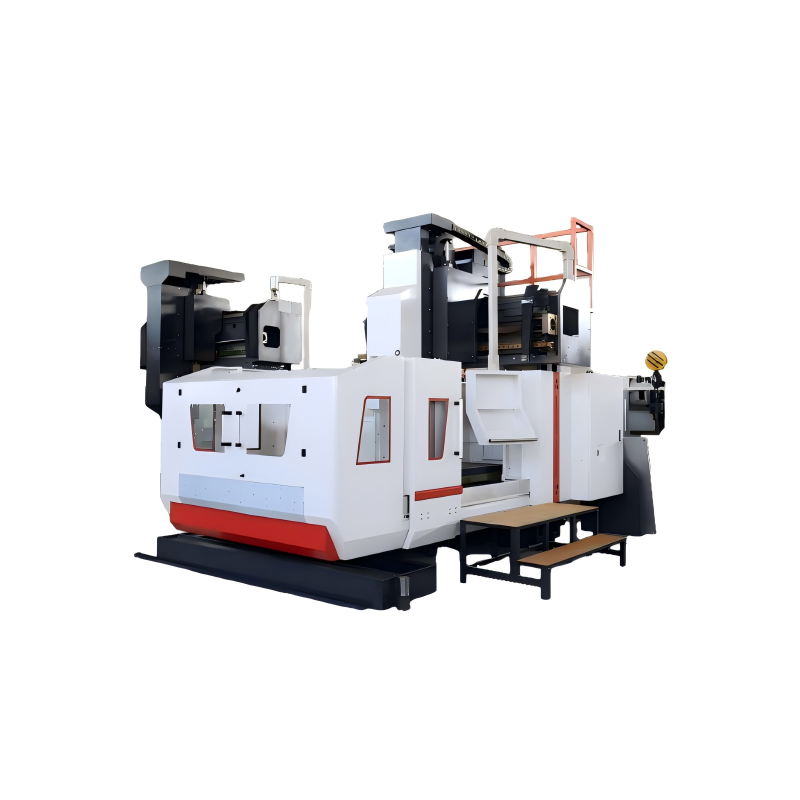
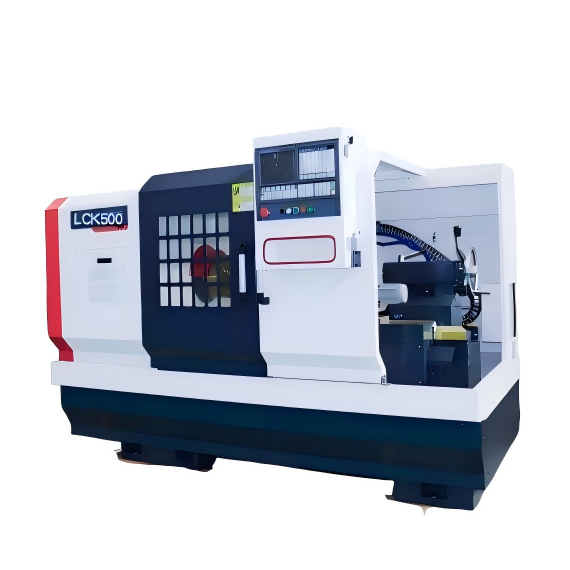
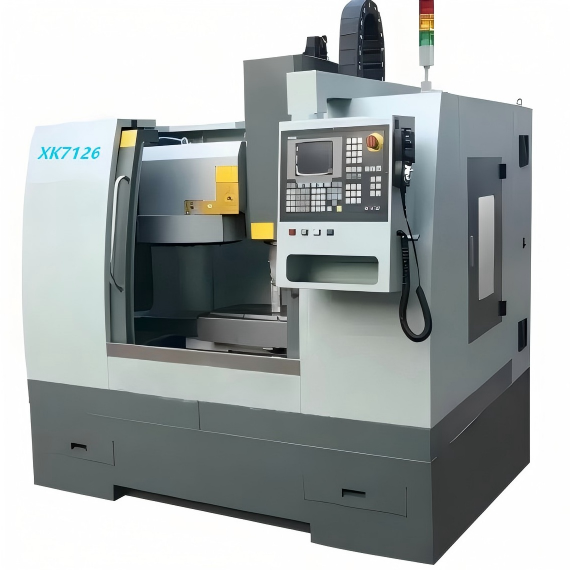
Heavy-duty milling machines are essential tools in the manufacturing and engineering industries, capable of handling large, complex parts with high precision. These machines come equipped with powerful motors, sturdy construction, and advanced control systems that allow for efficient and accurate machining processes. To fully leverage the potential of a heavy-duty milling machine, operators must first understand its core capabilities. This includes not only the physical limitations such as table size and spindle power but also the software and control systems that enable sophisticated operations like multi-axis milling and automated tool changes. By mastering these elements, operators can ensure that their heavy-duty milling machine is used to its maximum potential, thereby increasing productivity and reducing waste.
One of the most critical aspects of operating a heavy-duty milling machine effectively is optimizing the setup process. A well-organized and efficient setup can significantly reduce downtime between jobs and improve overall throughput. Key strategies include using quick-change tooling systems, which allow for rapid replacement of cutting tools without the need for extensive recalibration. Additionally, employing advanced workholding solutions, such as modular fixturing or zero-point clamping systems, can greatly enhance the speed and accuracy of part positioning. Furthermore, utilizing digital twins and simulation software enables operators to test and refine setups virtually before applying them to the physical machine, further streamlining the process. By implementing these optimization techniques, operators can achieve a more streamlined workflow, ultimately leading to higher efficiency and better utilization of the heavy-duty milling machine's capabilities.
To unlock the full potential of a heavy-duty milling machine, it is crucial to employ advanced programming techniques. Modern CNC (Computer Numerical Control) systems offer a wide range of features and functionalities that can be harnessed to improve machining performance. One such technique is high-speed machining (HSM), which involves using specialized toolpaths and cutting strategies to achieve faster material removal rates while maintaining surface finish quality. Another approach is adaptive milling, where the machine automatically adjusts feed rates based on the load conditions, ensuring optimal performance throughout the cut. Additionally, integrating CAM (Computer-Aided Manufacturing) software with the CNC system allows for the creation of highly customized and optimized toolpaths, tailored to the specific requirements of each job. By leveraging these advanced programming methods, operators can significantly enhance the performance of their heavy-duty milling machine, resulting in improved productivity and part quality.
The longevity and reliability of a heavy-duty milling machine heavily depend on regular maintenance and effective troubleshooting. A comprehensive maintenance schedule should include routine checks of key components such as the spindle, bearings, and lubrication systems, as well as periodic calibration of the machine's axes and sensors. Regular cleaning and inspection of the machine's exterior and interior can help prevent the buildup of debris and contaminants, which can lead to wear and tear. In terms of troubleshooting, operators should be familiar with common issues and their solutions, such as identifying and addressing vibration problems, diagnosing and fixing electrical faults, and resolving issues related to tool wear and breakage. By adhering to a rigorous maintenance regimen and being proactive in troubleshooting, operators can extend the lifespan of their heavy-duty milling machine and ensure consistent, high-quality performance over time.
Automation plays a pivotal role in enhancing the productivity of heavy-duty milling machines. Integrating robotic arms, pallet changers, and other automated systems can significantly reduce the need for manual intervention, allowing for continuous operation even during off-hours. Robotic arms can be programmed to perform tasks such as loading and unloading parts, changing tools, and performing in-process inspections, thereby freeing up operator time for more value-added activities. Pallet changers, on the other hand, enable the machine to switch between different workpieces seamlessly, reducing setup times and increasing overall throughput. Moreover, implementing machine learning and artificial intelligence (AI) algorithms can further optimize the milling process by predicting and mitigating potential issues, such as tool wear and machine malfunctions. By embracing automation, operators can achieve higher levels of productivity, consistency, and efficiency in their heavy-duty milling operations.
Safety is paramount in any manufacturing environment, and heavy-duty milling machines are no exception. Operators must adhere to strict safety protocols and regulations to ensure a safe working environment. This includes wearing appropriate personal protective equipment (PPE), such as safety glasses, hearing protection, and gloves, as well as following proper lockout/tagout procedures when performing maintenance or repairs. Additionally, it is essential to maintain a clean and organized workspace, free from tripping hazards and clutter. Regular training and retraining of operators on safety best practices and emergency procedures are also crucial. Compliance with industry standards and regulations, such as those set by OSHA (Occupational Safety and Health Administration) and ISO (International Organization for Standardization), is equally important. By prioritizing safety and compliance, operators can create a secure and productive workplace, minimizing the risk of accidents and ensuring the long-term success of their heavy-duty milling operations.
 25/06/2026
Heavy-duty milling machines play a crucial role in the manufacturing industry, providing the capability to process large and complex parts with high precision. Understanding the capabilities of a heavy-duty milling machine is essential for manufacturers a
Read MoreOur professional sales team is always ready to assist you.