The field of manufacturing is continually evolving, with new technologies and techniques being developed to enhance efficiency, precision, and productivity. Among these, the X-Z Axis CNC Lathe stands out as a critical piece of machinery, capable of producing intricate and accurate parts for various industries. This report delves into advanced techniques aimed at optimizing the performance of X-Z Axis CNC Lathes, focusing on key areas such as tool selection, programming strategies, and maintenance practices. By implementing these suggestions, manufacturers can significantly improve their production quality and operational efficiency.
Understanding the Core Components of an X-Z Axis CNC Lathe
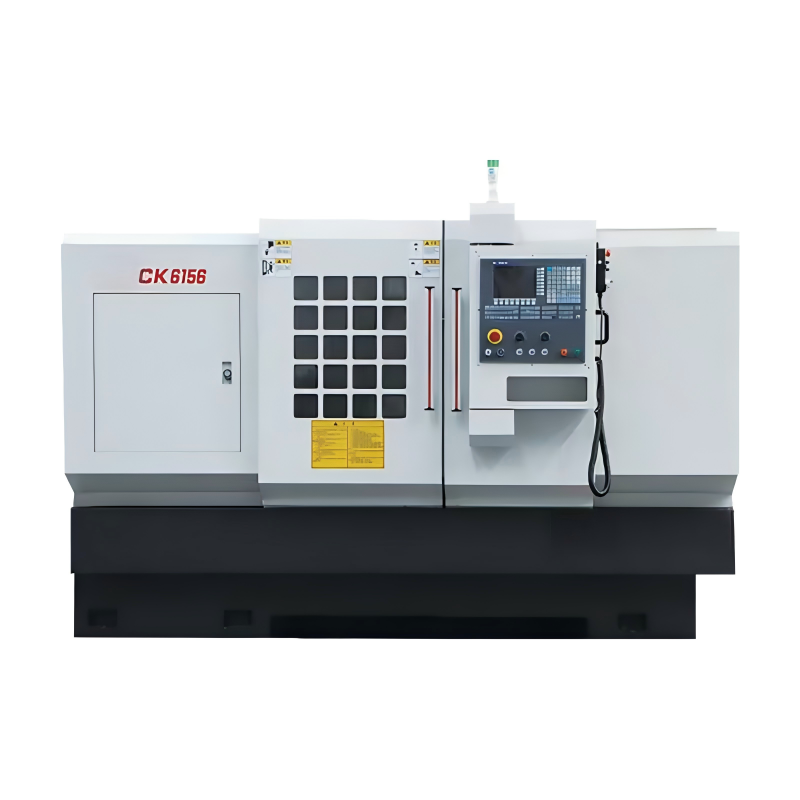
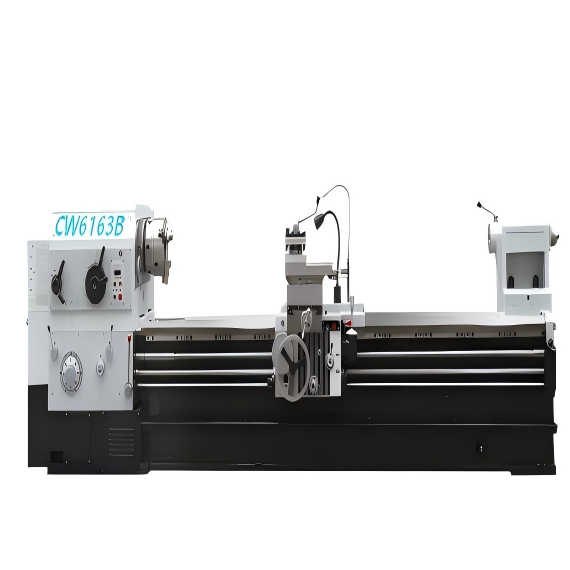
To effectively optimize an X-Z Axis CNC Lathe, it's essential first to understand its core components and how they work together. The X-axis refers to the horizontal movement of the tool or workpiece, while the Z-axis controls vertical motion. These axes are controlled by computer-aided numerical control (CNC) systems, which allow for precise movements and high repeatability. Familiarizing oneself with the lathe’s structure, including the spindle, chuck, carriage, and tailstock, is crucial for identifying potential areas for improvement.
Moreover, understanding the capabilities and limitations of your specific model of X-Z Axis CNC Lathe will guide you in selecting appropriate materials and tools, setting realistic expectations, and avoiding damage due to overuse or misuse. It also aids in troubleshooting common issues, thereby reducing downtime and repair costs.
Optimizing Tool Selection and Setup
Tool selection plays a pivotal role in determining the overall performance of an X-Z Axis CNC Lathe. The right choice of cutting tools not only improves machining accuracy but also extends tool life, reduces wear, and minimizes scrap rates. Factors to consider when choosing tools include material hardness, geometry, coating, and cooling methods. For instance, using coated carbide inserts can drastically increase tool durability under high-speed conditions compared to uncoated counterparts.
In addition to proper tool selection, careful attention must be paid to setup procedures. Ensuring that all components are securely fastened, aligned correctly, and calibrated according to manufacturer specifications prevents errors during operation. Regularly checking and adjusting settings such as feed rates, speeds, and depths of cut based on the workpiece material and desired finish further enhances outcomes. Adopting best practices in this area can lead to more consistent results, faster cycle times, and lower production costs.
Programming Strategies for Enhanced Efficiency
Efficient programming is another cornerstone of optimal X-Z Axis CNC Lathe performance. Modern CNC lathes support complex programs that can automate a wide range of tasks, from simple turning operations to multi-step processes involving multiple tools. To fully leverage these capabilities, programmers should focus on developing efficient G-code, which controls machine movements and operations. Techniques like loop optimization, where repetitive sequences are condensed into loops, can greatly reduce program length and execution time without compromising on quality.
Simulation software provides a valuable tool for testing and refining programs before actual implementation. By simulating the entire machining process, operators can identify potential collisions, inefficiencies, or other issues that might arise, allowing them to make necessary adjustments beforehand. This proactive approach saves time and resources, ensuring smoother operations once the job begins. Furthermore, maintaining a library of well-documented, reusable code snippets promotes consistency across projects and facilitates quicker turnaround times for similar jobs in the future.
Maintenance and Upkeep: Key to Longevity and Reliability
A comprehensive maintenance plan is indispensable for keeping an X-Z Axis CNC Lathe running smoothly over its lifespan. Regular cleaning, lubrication, and inspection help prevent premature wear and tear, ensuring reliable performance. Scheduling periodic checks of critical components, such as bearings, belts, and electrical connections, allows for early detection and correction of minor issues before they escalate into major problems. Replacing worn parts promptly and following recommended service intervals specified by the manufacturer contribute to extended machine life and reduced repair expenses.
Beyond routine care, investing in training for staff involved in operating and maintaining the equipment ensures that everyone understands how to use the lathe safely and efficiently. Educating employees about proper handling, safety protocols, and basic troubleshooting empowers them to take ownership of their roles, fostering a culture of responsibility and continuous improvement. A well-trained workforce combined with a robust maintenance strategy forms the foundation for achieving long-term success with any X-Z Axis CNC Lathe.
In conclusion, optimizing the performance of an X-Z Axis CNC Lathe involves a multifaceted approach encompassing thorough knowledge of the machine itself, strategic tool selection and setup, sophisticated programming techniques, and diligent maintenance. By addressing each of these aspects systematically, manufacturers can unlock the full potential of their CNC lathes, leading to higher productivity, better product quality, and increased profitability. As technology continues to advance, staying informed about the latest developments and best practices will remain vital for maintaining a competitive edge in today's dynamic manufacturing landscape.


 23/06/2026



