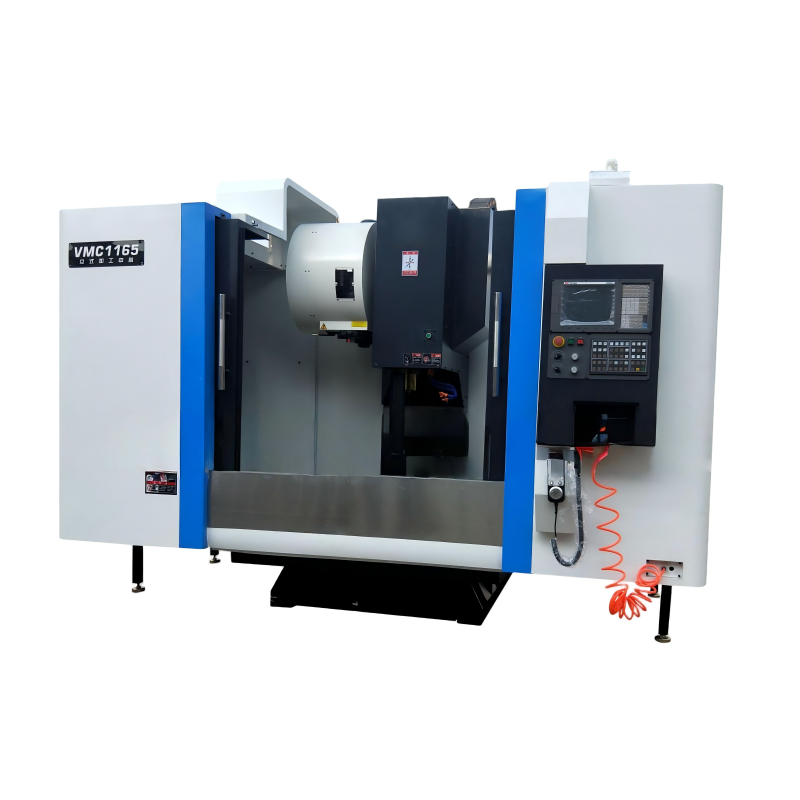
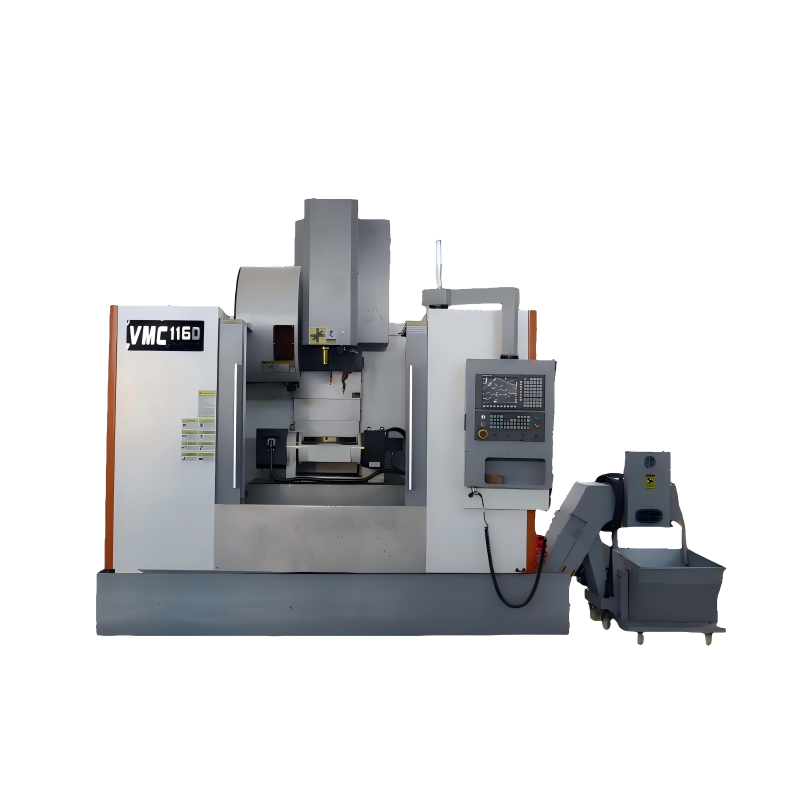
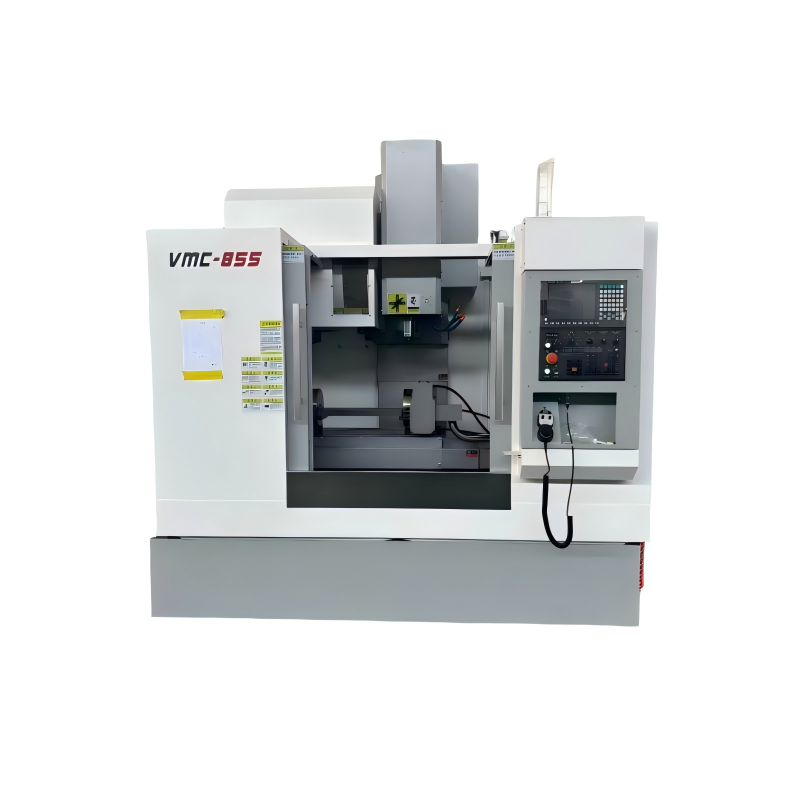
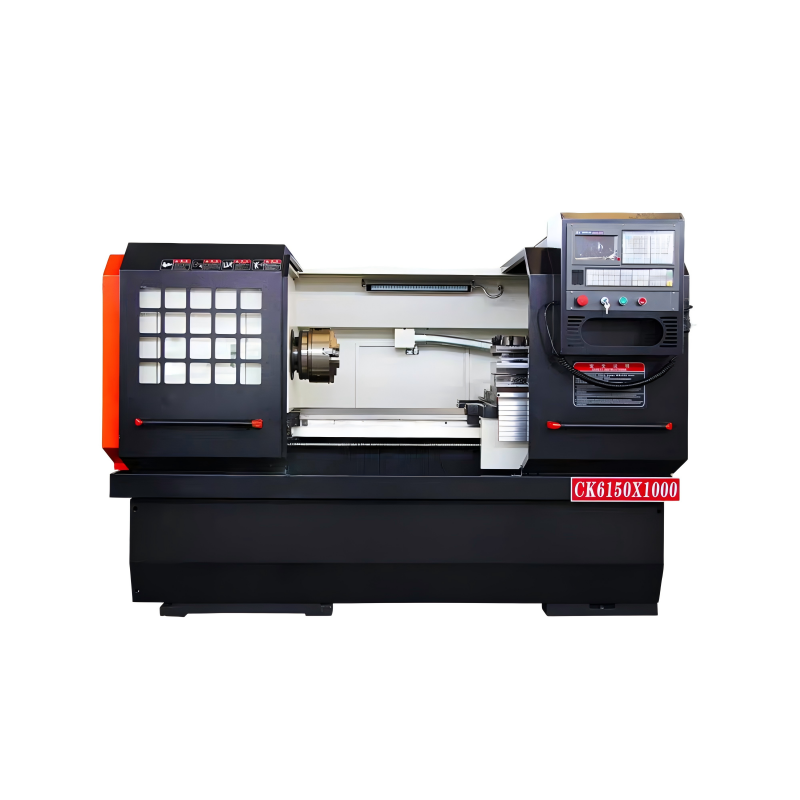
A Horizontal 2-Axis CNC Lathe is an advanced machine tool that plays a crucial role in modern manufacturing. It operates on two axes, the X-axis (horizontal) and Z-axis (vertical), allowing for precise control over the cutting process. This type of lathe is particularly valued for its ability to handle complex parts with high accuracy and repeatability. The integration of computer numerical control (CNC) technology enables operators to program specific instructions, which are then executed by the machine to produce components within tight tolerances.
The design of a Horizontal 2-Axis CNC Lathe is centered around efficiency and precision. The horizontal orientation of the spindle allows for better chip evacuation and stability during operations, making it ideal for long or heavy workpieces. Additionally, the use of servo motors and ball screws ensures smooth and accurate movement along both axes, contributing to the overall quality of the finished product.
One of the primary advantages of a Horizontal 2-Axis CNC Lathe is its versatility. These machines can perform a wide range of operations, including turning, facing, threading, and drilling, all with a high degree of precision. This versatility makes them suitable for various industries, from automotive and aerospace to medical and consumer goods.
Another significant advantage is the reduction in setup time. With traditional lathes, changing tools and adjusting the machine for different operations can be time-consuming. In contrast, a Horizontal 2-Axis CNC Lathe can be quickly reprogrammed to switch between tasks, significantly reducing downtime and increasing productivity. The ability to store and recall programs also means that once a part has been successfully machined, the process can be easily repeated, ensuring consistency across multiple batches.
Furthermore, the use of CNC technology in these lathes provides enhanced accuracy and repeatability. The machine's ability to follow programmed instructions with minimal human intervention reduces the likelihood of errors, resulting in higher quality products. This level of precision is particularly important in industries where even minor deviations can have significant consequences, such as in the production of critical components for aerospace applications.
A Horizontal 2-Axis CNC Lathe is equipped with several key features and components that contribute to its performance. One of the most important is the spindle, which rotates the workpiece at high speeds. The spindle is typically driven by a powerful motor, and its speed can be precisely controlled to match the requirements of the specific operation being performed.
The tool turret is another critical component, housing multiple cutting tools that can be automatically indexed and selected as needed. This feature allows for rapid tool changes without manual intervention, further enhancing the machine's efficiency. The turret is often designed with a high degree of rigidity to ensure that the cutting tools remain stable and accurate during operation.
Additionally, the machine's control system is a vital aspect of its functionality. Modern CNC lathes are equipped with user-friendly interfaces that allow operators to input and modify programs, monitor the machining process, and make adjustments in real-time. Advanced control systems may also include features such as predictive maintenance, which can help identify potential issues before they lead to downtime or reduced performance.
The versatility and precision of a Horizontal 2-Axis CNC Lathe make it a valuable asset in a variety of manufacturing applications. In the automotive industry, for example, these lathes are used to produce engine components, transmission parts, and other critical elements that require high levels of accuracy. The ability to handle both small and large workpieces with ease makes them suitable for a wide range of automotive parts.
In the aerospace sector, the demand for precision and reliability is even more stringent. Horizontal 2-Axis CNC Lathes are used to manufacture components such as turbine blades, shafts, and other parts that must meet exacting standards. The ability to maintain tight tolerances and produce consistent results is essential in this industry, where the failure of a single component can have catastrophic consequences.
The medical industry also benefits from the precision and reliability of these lathes. They are used to produce surgical instruments, implants, and other medical devices that require high levels of accuracy and surface finish. The ability to work with a variety of materials, including stainless steel, titanium, and other alloys, makes these lathes well-suited for the diverse needs of the medical field.
To ensure the optimal performance and longevity of a Horizontal 2-Axis CNC Lathe, regular maintenance and care are essential. This includes routine cleaning and lubrication of moving parts, such as the spindle, tool turret, and guideways. Proper lubrication helps to reduce friction and wear, extending the life of the machine and maintaining its accuracy.
Regular inspection of the machine's components is also important. This includes checking for signs of wear or damage, such as worn cutting tools or loose connections. Replacing worn or damaged parts promptly can prevent more serious issues from developing and ensure that the machine continues to operate at peak performance.
Additionally, it is important to keep the machine's software and control systems up to date. Manufacturers often release updates and patches to improve the machine's functionality and address any known issues. Staying current with these updates can help to ensure that the lathe remains reliable and efficient over time.
As manufacturing technology continues to evolve, the role of the Horizontal 2-Axis CNC Lathe is likely to become even more significant. Advancements in CNC technology, such as the integration of artificial intelligence and machine learning, are expected to further enhance the capabilities of these machines. For example, AI-powered control systems could enable more intelligent and adaptive machining processes, allowing for even greater precision and efficiency.
Moreover, the trend towards Industry 4.0 and smart manufacturing is driving the development of more connected and automated manufacturing solutions. Horizontal 2-Axis CNC Lathes are well-positioned to play a key role in this transformation, as their ability to integrate with other systems and share data in real-time can help to optimize the entire manufacturing process.
In conclusion, the Horizontal 2-Axis CNC Lathe is a powerful and versatile tool that offers numerous benefits for modern manufacturing. Its ability to deliver high-precision results, combined with its flexibility and efficiency, makes it an indispensable asset in a wide range of industries. As technology continues to advance, the future of these lathes looks bright, with the potential for even greater innovation and performance.
 23/06/2026
Horizontal 2-Axis CNC Lathes have been a cornerstone of precision manufacturing for decades, but recent advancements in technology are transforming their capabilities and applications. This report delves into the latest innovations that are redefining the
Read More23/06/2026A Horizontal 2-Axis CNC Lathe is a versatile machine tool, widely used in manufacturing for its precision and efficiency. This guide aims to provide a comprehensive overview of the maintenance procedures necessary to ensure optimal performance and longevi
Read More22/06/2026In the metalworking industry, the quest for efficiency and precision is a never-ending pursuit. Among the various innovations that have emerged to meet this demand, the Horizontal 2-Axis CNC Lathe, particularly in its slant bed configuration, stands out a
Read More22/06/2026In the realm of precision machining, the Horizontal 2-Axis CNC Lathe stands as a cornerstone for manufacturers seeking to produce high-quality parts with efficiency. This machine's versatility and capability in turning operations make it an essential tool
Read More22/06/2026The development of modern manufacturing has been significantly influenced by advancements in machine tools, with Horizontal 2-Axis CNC Lathes playing a pivotal role. These machines have revolutionized the way parts are machined, offering unparalleled prec
Read More22/06/2026The advent of computer numerical control (CNC) technology has revolutionized the manufacturing industry, enabling precise and efficient production processes. Among the various types of CNC machines, the Horizontal 2-Axis CNC Lathe stands out for its versa
Read MoreOur professional sales team is always ready to assist you.