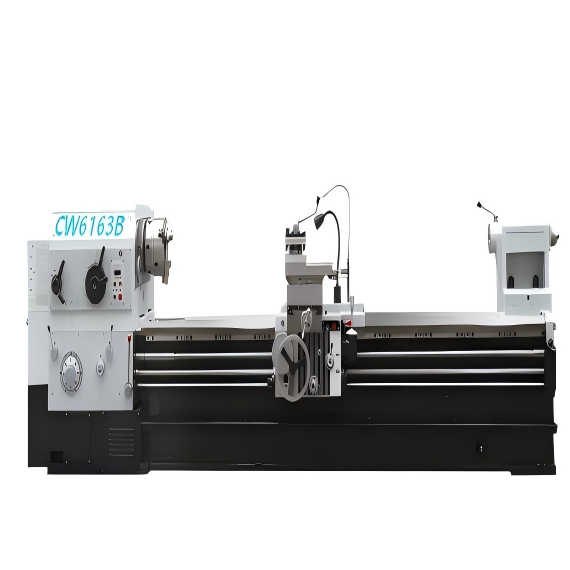
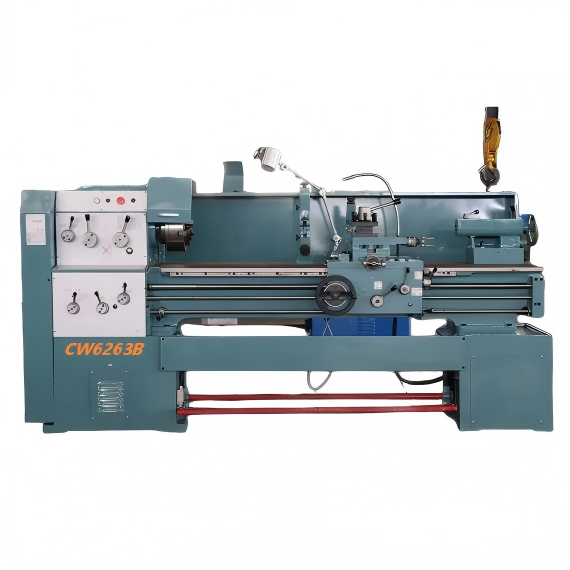
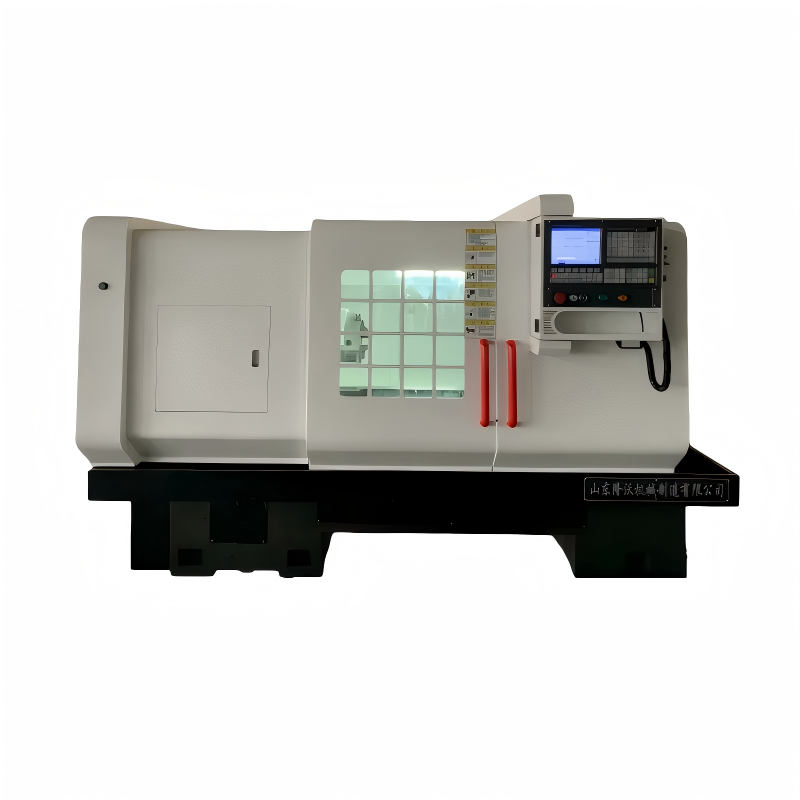
Horizontal Lathe Machines, a cornerstone in the manufacturing industry, have seen significant advancements with the integration of Computer Numerical Control (CNC) technology. This report delves into the advanced features of CNC Lathes that enhance productivity and efficiency, offering insights into how these machines are revolutionizing the machining process. From automated tool changers to high-precision spindle systems, this document explores the key components and functionalities that make modern CNC lathes indispensable for high-volume, high-accuracy production environments.
The introduction of automated tool changers in Horizontal Lathe Machines has significantly reduced setup times and increased operational efficiency. These systems allow for rapid and precise switching between different cutting tools, enabling the machine to handle complex multi-step operations without manual intervention. The result is a streamlined workflow that minimizes downtime and maximizes output.
Modern CNC lathes are equipped with high-speed spindles and feed drives, allowing for faster material removal rates. This not only speeds up the production process but also ensures consistent quality across all parts. High-speed machining capabilities are particularly beneficial in industries where time-to-market is critical, such as automotive and aerospace.
One of the key features of modern CNC lathes is the advanced spindle system, which provides exceptional precision and stability. These spindles are designed with high-quality bearings and cooling systems to minimize thermal expansion and vibration, ensuring that the cutting tool remains accurately positioned throughout the machining process. This results in higher part accuracy and surface finish, even during high-speed operations.
Encoders and feedback systems play a crucial role in maintaining the accuracy of CNC lathes. Linear and rotary encoders provide real-time position data, allowing the control system to make precise adjustments to the tool path. This closed-loop feedback system ensures that any deviations from the programmed path are corrected immediately, resulting in highly accurate and repeatable parts.
Many advanced CNC lathes now offer multi-axis machining capabilities, including live tooling and Y-axis functionality. These additional axes enable the machine to perform milling, drilling, and tapping operations alongside turning, making it possible to complete complex parts in a single setup. This flexibility reduces the need for multiple machines and setups, thereby increasing overall productivity and reducing lead times.
Modern CNC lathes come with highly customizable user interfaces that can be tailored to meet the specific needs of different operators and applications. These interfaces often include intuitive touchscreens, graphical programming, and the ability to save and recall programs easily. This level of customization enhances operator efficiency and reduces the learning curve, making it easier for new users to become proficient quickly.
Advanced CNC lathes are equipped with real-time monitoring and data collection systems that provide valuable insights into the machine's performance. Sensors and software track parameters such as spindle load, tool wear, and temperature, allowing operators to identify potential issues before they lead to downtime or quality problems. This proactive approach to maintenance helps extend the lifespan of the machine and ensures consistent performance over time.
Predictive maintenance and diagnostic tools are becoming increasingly common in modern CNC lathes. These systems use historical data and advanced algorithms to predict when maintenance is required, helping to prevent unexpected breakdowns and reduce maintenance costs. Additionally, diagnostic tools can help operators quickly identify and resolve issues, minimizing downtime and maximizing uptime.
Integration with Internet of Things (IoT) and cloud technologies is another significant advancement in CNC lathes. These machines can now connect to the cloud, enabling remote monitoring, data analysis, and real-time updates. This connectivity allows for better collaboration between different departments and facilities, as well as the ability to access and analyze large amounts of production data to optimize processes and improve decision-making.
Smart manufacturing and artificial intelligence (AI) are transforming the way CNC lathes operate. AI-powered algorithms can analyze production data to optimize tool paths, reduce cycle times, and improve part quality. Additionally, smart manufacturing systems can automatically adjust machine settings based on real-time data, ensuring optimal performance and minimizing waste. These technologies are driving the next wave of innovation in the manufacturing industry, making CNC lathes more efficient and productive than ever before.
Modern CNC lathes are designed with energy-saving features to reduce power consumption and lower operating costs. These features include energy-efficient motors, intelligent power management systems, and standby modes that automatically shut down non-essential functions when the machine is idle. By reducing energy usage, these machines not only contribute to cost savings but also support sustainability goals.
Advancements in CNC lathes also focus on reducing waste and promoting recycling. Many machines now include chip management systems that efficiently collect and dispose of metal chips, reducing the environmental impact and improving workplace safety. Additionally, some lathes are designed to use recycled materials and minimize the use of hazardous chemicals, further contributing to a more sustainable manufacturing process.
 05/06/2026
In today's fast-paced manufacturing environment, the integration of advanced machinery like the Horizontal Lathe Machine and the Industrial Gantry Router Unit is crucial for optimizing production efficiency. This technical report delves into how an Indust
Read More05/06/2026Horizontal Lathe Machines are essential tools in the manufacturing industry, known for their precision and versatility. This report delves into advanced techniques that can be employed to maximize the efficiency of a Horizontal Lathe Machine. By optimizin
Read More05/06/2026In the realm of precision engineering, the Horizontal Lathe Machine plays a crucial role in achieving high-precision machining. This machine is designed to handle a wide range of materials and is capable of producing intricate and complex parts with excep
Read More05/06/2026In the realm of modern manufacturing, Horizontal Lathe Machines have emerged as a versatile and indispensable tool. These machines, designed to shape and cut materials with precision, are used across various industries, from automotive to aerospace. This
Read More04/06/2026This comprehensive guide aims to provide an in-depth understanding of operating a Horizontal Lathe Machine, which is essential for anyone involved in machining processes. From the basics of setting up and preparing the machine, through to executing variou
Read More04/06/2026Horizontal Lathe Machines, an essential tool in the manufacturing and machining industry, have been a cornerstone of precision engineering for decades. These machines are designed to shape metal or other rigid materials by rotating them against a cutting
Read More04/06/2026Choosing the right China lathe manufacturer for precision work, especially when it comes to a Horizontal Lathe Machine, is a critical decision that can significantly impact the quality and efficiency of your manufacturing processes. This technical report
Read More04/06/2026Horizontal lathe machines have become an indispensable part of modern manufacturing, playing a crucial role in the production of precision components. This report delves into the significance of horizontal lathe machines, exploring their versatility, effi
Read MoreOur professional sales team is always ready to assist you.