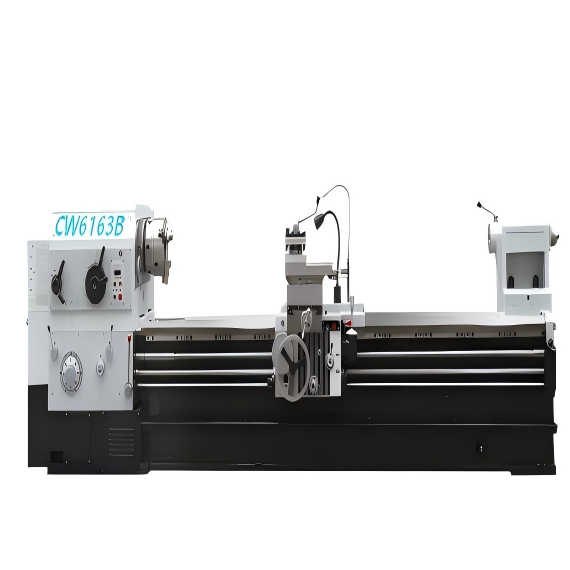
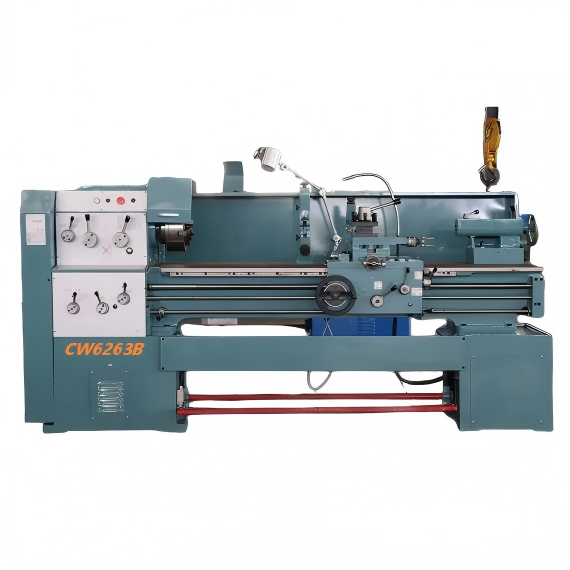
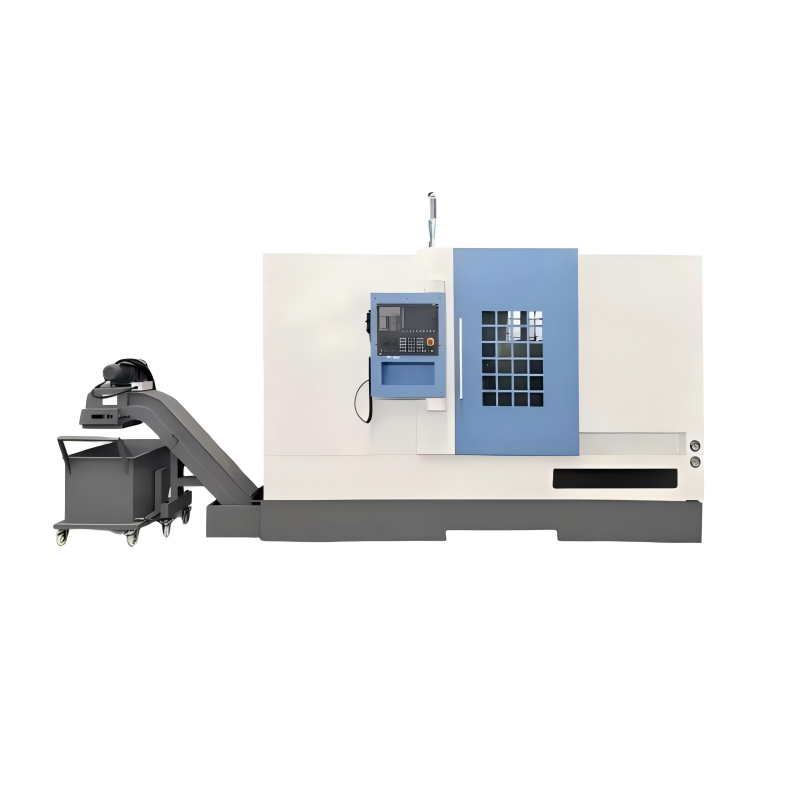
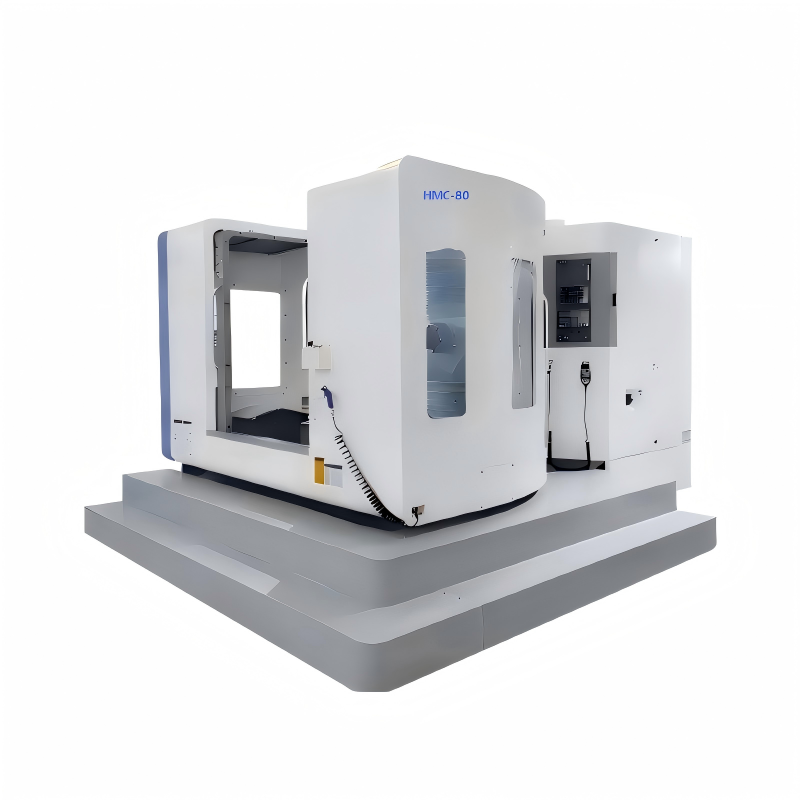
In the realm of precision engineering, the Horizontal Lathe Machine plays a crucial role in achieving high-precision machining. This machine is designed to handle a wide range of materials and is capable of producing intricate and complex parts with exceptional accuracy. The importance of the Horizontal Lathe Machine lies not only in its ability to perform various operations but also in its versatility and efficiency. This technical report will explore the essential functions and applications of the Horizontal Lathe Machine, highlighting its significance in modern manufacturing processes.
The Horizontal Lathe Machine is composed of several key components, including the headstock, tailstock, carriage, and bed. The headstock houses the main spindle, which rotates the workpiece, while the tailstock provides support on the opposite end. The carriage, which holds the cutting tool, can be moved along the bed to perform various machining operations. The design of the Horizontal Lathe Machine ensures stability and precision, making it an indispensable tool in precision engineering.
There are different types of Horizontal Lathes, each designed for specific applications. Conventional lathes, CNC (Computer Numerical Control) lathes, and turret lathes are some of the most common types. Conventional lathes are manually operated and are suitable for small-scale production, while CNC Lathes offer automated control and are ideal for high-volume and high-precision tasks. Turret lathes, on the other hand, are equipped with multiple tools and are used for more complex operations.
The Horizontal Lathe Machine is widely used in the manufacturing of complex parts, such as gears, shafts, and bearings. Its ability to perform turning, facing, threading, and drilling operations with high precision makes it an essential tool in the production of these components. The machine's versatile capabilities allow for the creation of intricate designs and tight tolerances, ensuring that the final products meet the required specifications.
One of the key advantages of the Horizontal Lathe Machine is its ability to work with a variety of materials, including metals, plastics, and composites. This versatility is particularly important in precision engineering, where different materials may be required for specific applications. The machine's robust construction and precise control mechanisms ensure that it can handle a wide range of materials with ease, making it a valuable asset in any manufacturing facility.
The Horizontal Lathe Machine is known for its high precision and accuracy, which are critical in precision engineering. The machine's rigid structure and precise control systems, especially in CNC models, allow for the production of parts with extremely tight tolerances. This level of precision is essential in industries such as aerospace, automotive, and medical, where even the slightest deviation can have significant consequences.
Modern Horizontal Lathes, particularly CNC models, offer high levels of efficiency and productivity. Automated control systems and advanced software enable the machine to perform multiple operations in a single setup, reducing the need for manual intervention and minimizing downtime. This results in faster production cycles and higher output, making the Horizontal Lathe Machine a cost-effective solution for precision engineering.
To ensure the optimal performance and longevity of the Horizontal Lathe Machine, regular maintenance is essential. This includes routine checks of the machine's components, lubrication of moving parts, and calibration of the control systems. Regular maintenance helps to prevent wear and tear, reduce the risk of breakdowns, and maintain the machine's precision and accuracy over time.
Proper training and safety measures are crucial when operating a Horizontal Lathe Machine. Operators should be trained in the safe use of the machine, including the correct handling of tools and workpieces, as well as the proper operation of the control systems. Additionally, safety features such as emergency stop buttons, guards, and interlocks should be in place to protect operators from potential hazards.
Recent advancements in technology have led to the integration of advanced software in Horizontal Lathe Machines, particularly in CNC models. These software solutions enable more precise control, improved programming, and enhanced monitoring capabilities. Features such as real-time data analysis, predictive maintenance, and remote diagnostics help to optimize the machine's performance and reduce downtime.
The incorporation of automation and robotics in Horizontal Lathe Machines has further enhanced their capabilities. Automated systems can perform repetitive tasks with high precision, reducing the need for manual labor and increasing overall productivity. Robotic arms and other automated components can be integrated into the machine to handle loading, unloading, and part transfer, streamlining the manufacturing process and improving efficiency.
The future of the Horizontal Lathe Machine is likely to be shaped by the adoption of Industry 4.0 technologies. These include the Internet of Things (IoT), artificial intelligence (AI), and machine learning (ML). IoT sensors can provide real-time data on the machine's performance, enabling predictive maintenance and optimizing operational efficiency. AI and ML algorithms can be used to analyze this data, identify patterns, and make informed decisions to improve the machine's performance and reliability.
As the world increasingly focuses on sustainability, the manufacturing industry is also moving towards more environmentally friendly practices. Future innovations in Horizontal Lathe Machines may include the use of energy-efficient motors, the integration of renewable energy sources, and the development of eco-friendly materials. Additionally, waste reduction and recycling initiatives will play a crucial role in making the manufacturing process more sustainable.
 05/06/2026
In today's fast-paced manufacturing environment, the integration of advanced machinery like the Horizontal Lathe Machine and the Industrial Gantry Router Unit is crucial for optimizing production efficiency. This technical report delves into how an Indust
Read More05/06/2026Horizontal Lathe Machines, a cornerstone in the manufacturing industry, have seen significant advancements with the integration of Computer Numerical Control (CNC) technology. This report delves into the advanced features of CNC lathes that enhance produc
Read More05/06/2026Horizontal Lathe Machines are essential tools in the manufacturing industry, known for their precision and versatility. This report delves into advanced techniques that can be employed to maximize the efficiency of a Horizontal Lathe Machine. By optimizin
Read More05/06/2026In the realm of modern manufacturing, Horizontal Lathe Machines have emerged as a versatile and indispensable tool. These machines, designed to shape and cut materials with precision, are used across various industries, from automotive to aerospace. This
Read More04/06/2026This comprehensive guide aims to provide an in-depth understanding of operating a Horizontal Lathe Machine, which is essential for anyone involved in machining processes. From the basics of setting up and preparing the machine, through to executing variou
Read More04/06/2026Horizontal Lathe Machines, an essential tool in the manufacturing and machining industry, have been a cornerstone of precision engineering for decades. These machines are designed to shape metal or other rigid materials by rotating them against a cutting
Read More04/06/2026Choosing the right China lathe manufacturer for precision work, especially when it comes to a Horizontal Lathe Machine, is a critical decision that can significantly impact the quality and efficiency of your manufacturing processes. This technical report
Read More04/06/2026Horizontal lathe machines have become an indispensable part of modern manufacturing, playing a crucial role in the production of precision components. This report delves into the significance of horizontal lathe machines, exploring their versatility, effi
Read MoreOur professional sales team is always ready to assist you.