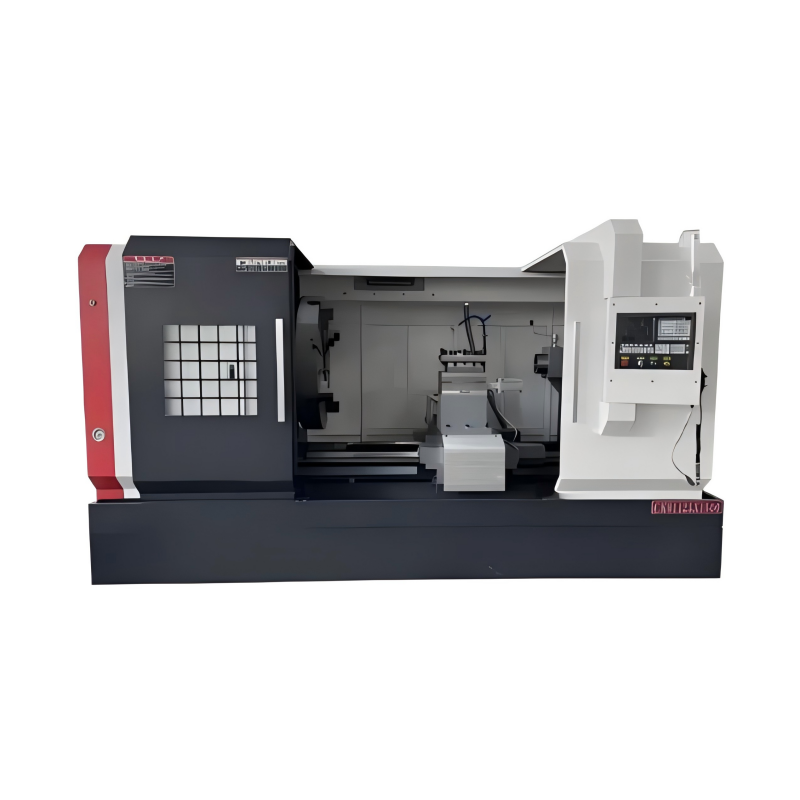
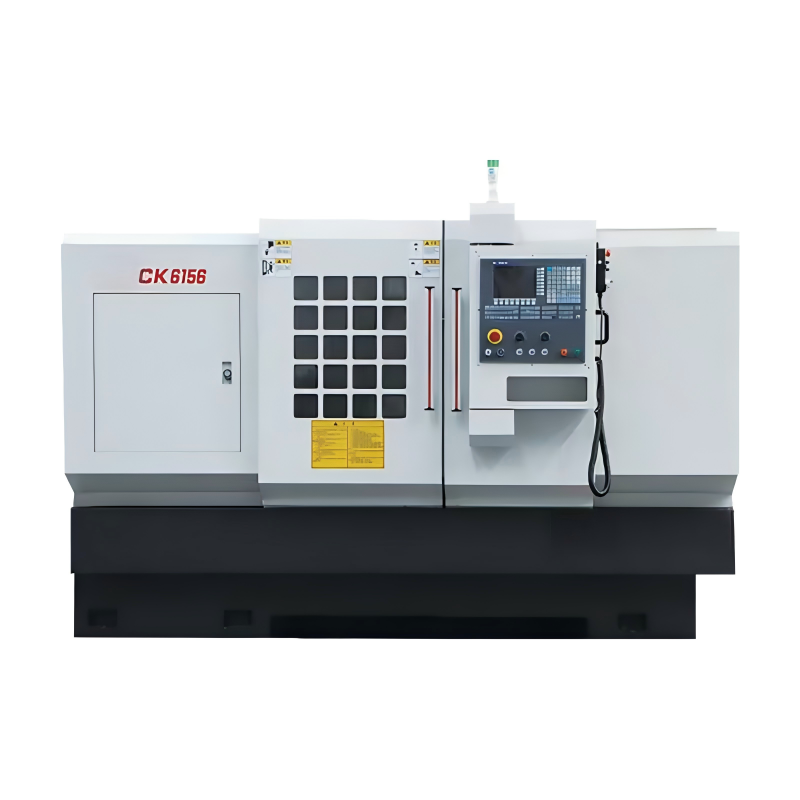
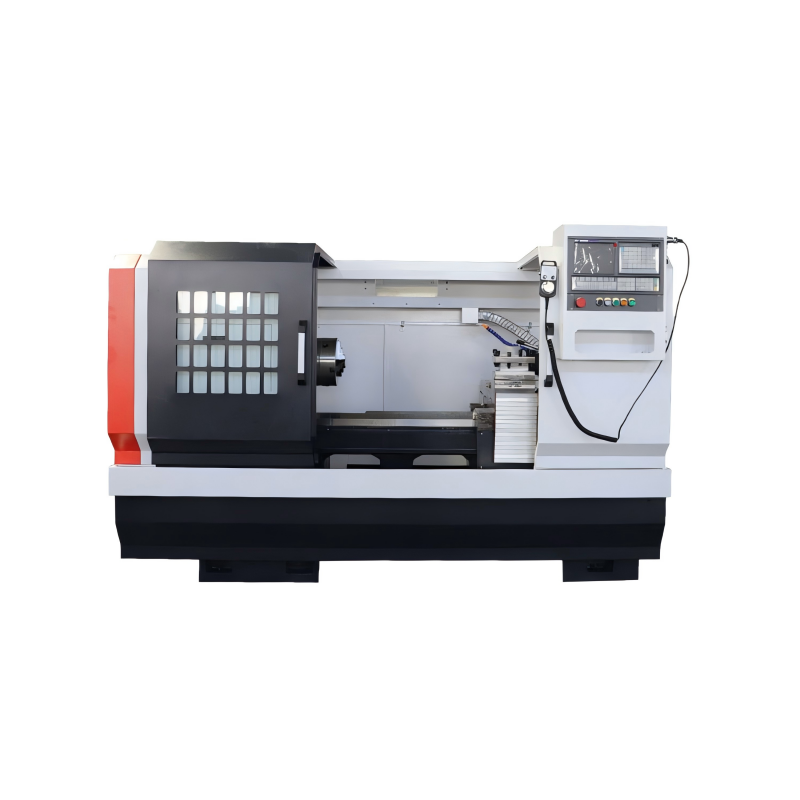
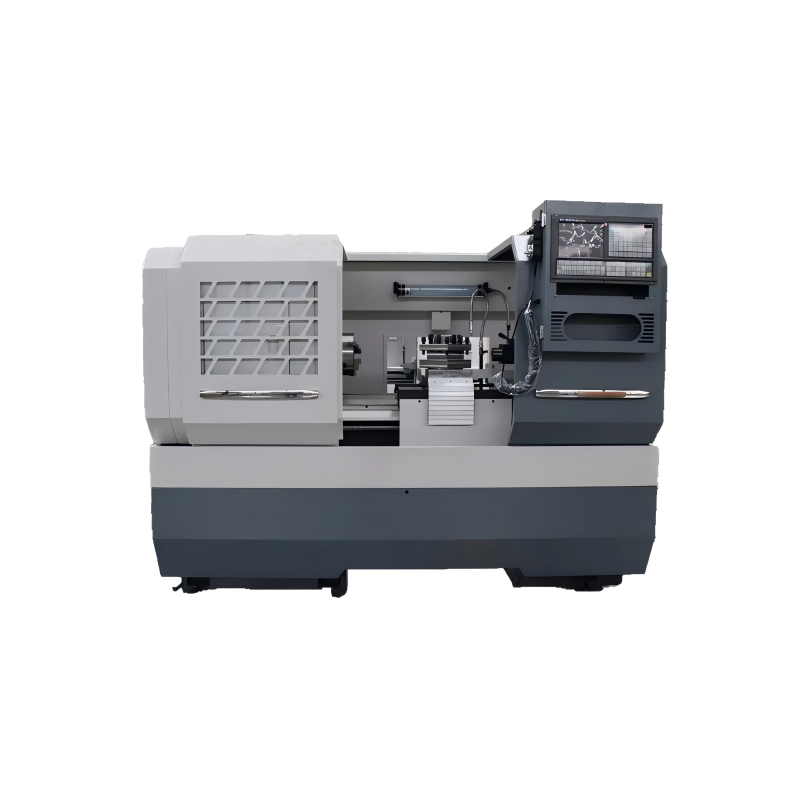
China has been at the forefront of advancements in manufacturing technologies, particularly in the realm of CNC (Computer Numerical Control) machinery. One significant area of development is the production of mini or small horizontal CNC Lathes, which have found widespread application in various industries, especially for tasks like pipe threading. This report delves into the recent developments and trends in the production of CNC pipe threading lathes in China, highlighting key innovations, market dynamics, and future prospects.
The evolution of mini/small Horizontal CNC Lathes in China has been marked by a relentless pursuit of higher precision and efficiency. Manufacturers have introduced several cutting-edge features to enhance the performance of these machines. For instance, advanced servo motors and high-resolution encoders are now standard, providing more accurate and repeatable movements. Additionally, the integration of intelligent control systems, such as adaptive control and real-time monitoring, has significantly improved the machining accuracy and reduced cycle times.
One notable example is the use of closed-loop feedback systems, which continuously monitor and adjust the machine's parameters to maintain optimal performance. This technology ensures that even the most intricate pipe threading operations are executed with minimal errors. Furthermore, the adoption of high-speed spindles and rapid tool changers has enabled these lathes to handle complex and time-sensitive tasks efficiently, making them indispensable in high-volume production environments.
A critical aspect of the advancements in mini/small horizontal CNC lathes is the focus on enhancing the user experience and automating processes. Modern CNC lathes come equipped with intuitive user interfaces and advanced software, making it easier for operators to program and control the machines. Graphical user interfaces (GUIs) and touch-screen displays have become common, simplifying the input of machining parameters and reducing the learning curve for new users.
Automation is another key trend, with many manufacturers incorporating robotic arms and automatic loading and unloading systems. These features not only increase productivity but also reduce the need for manual intervention, thereby minimizing human error and improving overall safety. The integration of Industry 4.0 technologies, such as IoT (Internet of Things) and cloud computing, allows for remote monitoring and predictive maintenance, further enhancing the operational efficiency of these lathes.
The market for mini/small horizontal CNC lathes in China is highly competitive, with numerous domestic and international players vying for market share. The demand for these machines is driven by various factors, including the growing need for precision engineering in industries such as automotive, aerospace, and oil and gas. The Chinese government's support for the manufacturing sector, through initiatives like Made in China 2025, has also played a crucial role in fostering innovation and investment in this field.
Chinese manufacturers have gained a significant advantage by offering high-quality products at competitive prices. This has led to increased export opportunities, with many companies expanding their presence in global markets. However, the competition is not just about cost; it also involves continuous innovation and the ability to meet the evolving needs of customers. Leading manufacturers are investing heavily in research and development to stay ahead of the curve, introducing new models with enhanced capabilities and features.
As the world becomes more environmentally conscious, the manufacturing industry, including the production of mini/small horizontal CNC lathes, is under increasing pressure to adopt sustainable practices. Chinese manufacturers are responding to this challenge by focusing on energy efficiency and waste reduction. Many new models are designed with energy-efficient components, such as variable frequency drives and LED lighting, which help to reduce power consumption and lower operating costs.
Additionally, there is a growing emphasis on the use of eco-friendly materials and the implementation of recycling programs. Some manufacturers are exploring the use of biodegradable lubricants and coolant fluids to minimize environmental impact. These efforts not only align with global sustainability goals but also enhance the marketability of their products, as more customers are looking for environmentally responsible solutions.
The future of mini/small horizontal CNC lathes in China looks promising, with ongoing technological advancements and a robust market demand. However, several challenges need to be addressed to ensure sustained growth. One of the primary challenges is the need for skilled labor. As these machines become more sophisticated, the demand for trained operators and technicians is increasing. Educational institutions and training programs must adapt to provide the necessary skills and knowledge to meet this demand.
Another challenge is the rapidly changing technological landscape. The pace of innovation is accelerating, and manufacturers must continually invest in R&D to stay relevant. This includes staying abreast of emerging technologies such as artificial intelligence, machine learning, and additive manufacturing, which have the potential to revolutionize the industry. Collaboration with research institutions and technology partners will be crucial in driving these advancements.
Finally, the global economic environment and geopolitical factors can also impact the market. Trade tensions, currency fluctuations, and supply chain disruptions can affect the availability and cost of raw materials and components. Manufacturers must develop resilient supply chains and diversify their customer base to mitigate these risks.
In conclusion, the advancements in CNC pipe threading lathe production in China have been driven by a combination of technological innovation, market demand, and a commitment to sustainability. The continued focus on precision, efficiency, automation, and environmental responsibility positions Chinese manufacturers well for future success. As the industry evolves, addressing the challenges of skilled labor, technological change, and global economic uncertainties will be key to maintaining this momentum.
 30/06/2026
Understanding the Importance of Precision in Mini or Small Horizontal CNC LathesIn the world of manufacturing, precision is not just a luxury but a necessity. When it comes to selecting a mini or small horizontal CNC lathe, particularly from China, one mu
Read More30/06/2026With the increasing demand for precision and efficiency in manufacturing, mini / small horizontal CNC lathe China has become a critical tool for businesses looking to maximize productivity while maintaining high-quality standards. This report aims to expl
Read More29/06/2026China, a country known for its rapid technological advancements and manufacturing prowess, has been making significant strides in the field of CNC (Computer Numerical Control) machining. This report delves into the advanced technology found in large workp
Read More25/06/2026In today's rapidly evolving manufacturing landscape, the demand for precision and efficiency has never been higher. One of the key tools that have revolutionized the industry is the CNC (Computer Numerical Control) machining center. Among these, the Mini
Read More23/06/2026In the realm of precision manufacturing, the evolution of CNC (Computer Numerical Control) technology has been nothing short of revolutionary. Among these advancements, the mini/small horizontal CNC lathe from China stands out as a testament to the nation
Read More23/06/2026Choosing the right CNC pipe thread cutting machine, especially a mini or small horizontal CNC lathe from China, can be a daunting task. With so many options available, it's crucial to understand the key factors that will influence your decision. This guid
Read More18/06/2026In the realm of modern manufacturing, precision and efficiency are paramount. As technology continues to evolve, so too does the machinery that supports these industries. One such piece of equipment that has seen significant advancements is the fully auto
Read More16/06/2026In the realm of precision machining, the demand for efficient and cost-effective solutions has never been higher. This report delves into how economic horizontal CNC lathes from China, particularly mini or small horizontal CNC lathes, can significantly en
Read More16/06/2026Understanding the CK6140: A Mini Horizontal CNC Lathe from ChinaThe CK6140, a mini/small horizontal CNC lathe originating from China, has been making waves in the manufacturing industry due to its impressive capabilities and compact design. This section w
Read More16/06/2026In the ever-evolving landscape of modern manufacturing, the role of CNC (Computer Numerical Control) lathes has become increasingly significant. Among these, the mini or small horizontal CNC lathe, particularly those produced in China, have gained promine
Read More16/06/2026In today’s rapidly evolving industrial landscape, the demand for precision, efficiency, and cost-effectiveness in manufacturing processes has never been higher. One of the key tools that have emerged to meet these demands is the CK6186 flat bed CNC lathe,
Read More14/06/2026In the dynamic world of automotive manufacturing, precision is not just a preference but an absolute necessity. One key area where this level of accuracy is crucial is in the turning of parts, which often requires the use of advanced machinery like small
Read More14/06/2026The advent of mini/small horizontal CNC lathes in the manufacturing sector, especially those originating from China, has significantly impacted the way small-scale and precision machining is approached. These machines, compact yet highly efficient, have b
Read More14/06/2026As the global market for manufacturing solutions continues to evolve, the demand for efficient and cost-effective machinery like mini or small horizontal CNC lathes from China has seen a significant rise. This trend is not only driven by the increasing ne
Read More14/06/2026As the manufacturing industry continues to evolve, the demand for compact yet efficient machinery has increased. This report focuses on Mini / small horizontal CNC lathe China, specifically exploring how these machines, when paired with automatic bar feed
Read More14/06/2026When considering the purchase or upgrade of a mini or small horizontal CNC lathe, particularly from manufacturers in China, one crucial decision point involves choosing between linear guides and box ways. Both options offer unique benefits and drawbacks t
Read More14/06/2026China, a global leader in manufacturing, has been making significant strides in the production of high-precision mini CNC lathes. These compact machines are designed to meet the growing demand for precision and efficiency in small-scale machining operatio
Read More14/06/2026When it comes to the procurement of machinery, especially for small-scale operations or hobbyists, the cost is often a significant factor. One common query that arises is whether it's cheaper to import a mini lathe from China. This article aims to explore
Read More14/06/2026In the realm of machining, a compact and cost-effective solution for turning operations is increasingly sought after, especially among small to medium-sized enterprises (SMEs) and hobbyists. This report delves into the world of budget-friendly CNC: small
Read More14/06/2026Understanding the Market for Mini/Small Horizontal CNC Lathes in ChinaThe market for mini/small horizontal CNC lathe China is expanding, driven by the increasing demand for precision machining in various industries. This section will provide an overview o
Read More14/06/2026Understanding the Mini CNC Lathe Market in China The mini or small horizontal CNC lathe market in China is a rapidly growing sector, driven by the increasing demand for precision machining in various industries. These machines are designed to offer high a
Read More14/06/2026When it comes to selecting a mini or small horizontal CNC lathe in China, the decision can be quite intricate. The market is saturated with various models, each offering unique features and capabilities. This article aims to guide you through the process
Read More14/06/2026Introduction to Small CNC Lathes in ChinaThe manufacturing industry has seen a significant transformation with the advent of Computer Numerical Control (CNC) machines. Among these, small horizontal CNC lathes from China have become increasingly popular du
Read More14/06/2026In the rapidly evolving world of manufacturing, the transition from manual to automated processes is not just a trend but a necessity. This shift is particularly evident in the machining industry, where mini/small horizontal CNC lathes have become increas
Read More14/06/2026When it comes to enhancing the precision and efficiency of your workshop, investing in a small horizontal CNC lathe can be a game-changer. These machines are designed to handle a wide range of tasks with high accuracy and repeatability, making them an ess
Read More14/06/2026When it comes to choosing the best mini / small horizontal CNC lathe from China, there are several key factors to consider. This guide will provide you with a comprehensive overview of what to look for, ensuring that you make an informed decision. We'll c
Read MoreOur professional sales team is always ready to assist you.