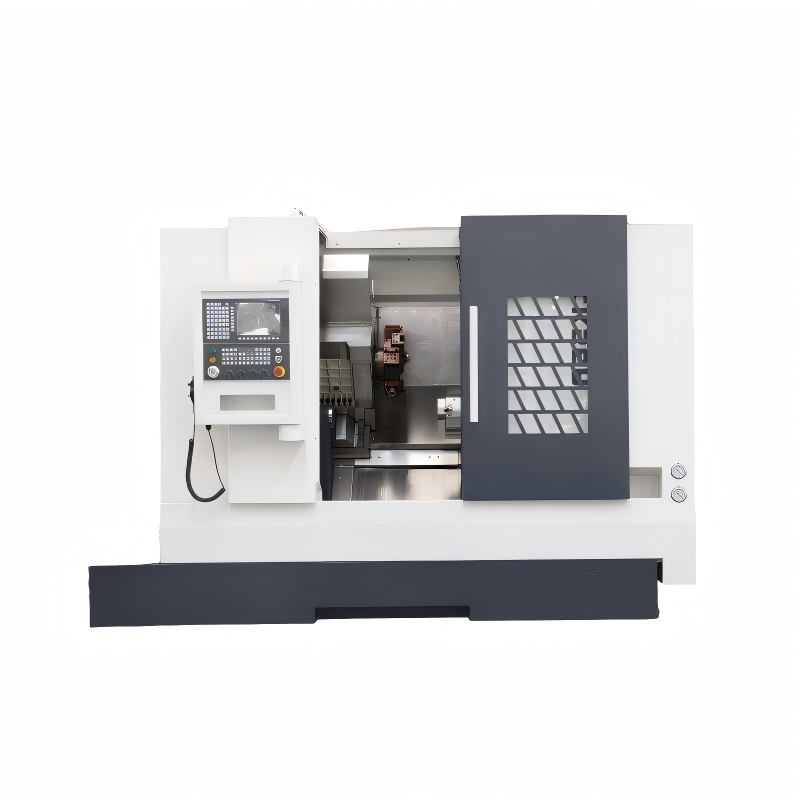
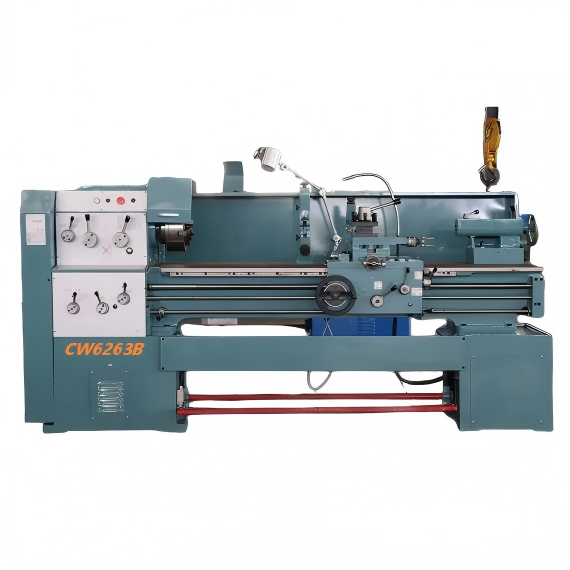
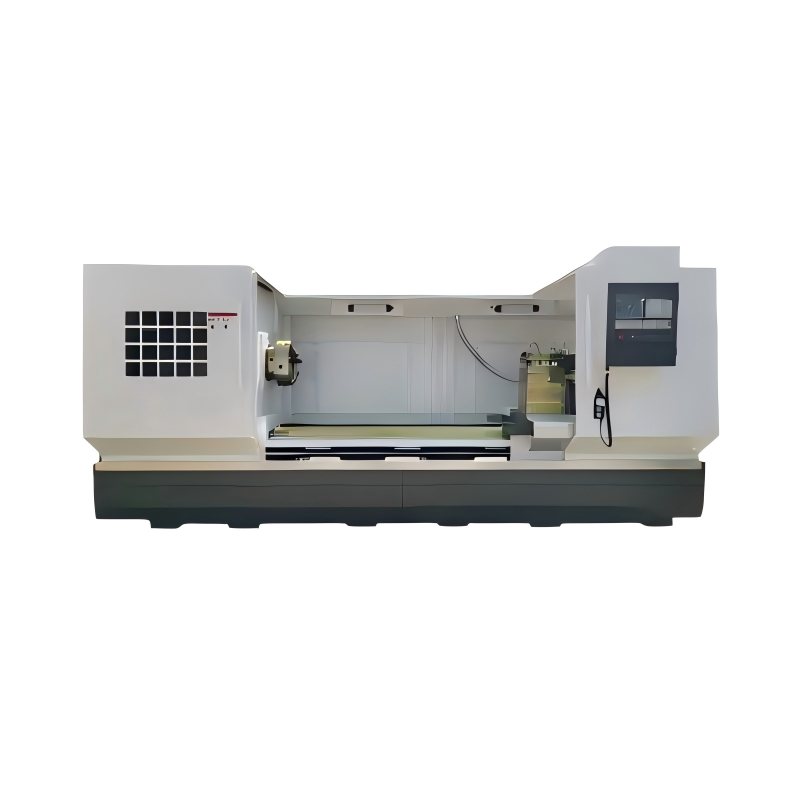
The adoption of a high-performance CNC (Computer Numerical Control) turning center is instrumental in achieving unparalleled levels of precision and consistency in manufacturing processes. Unlike traditional machining methods, which heavily rely on the skill and experience of the operator, a CNC Turning Center utilizes pre-programmed software to control the movement of tools and parts. This digital approach minimizes human error, ensuring that each product or component is manufactured to exact specifications every single time. The level of accuracy can be as fine as 0.001 inches, making it ideal for industries where tight tolerances are critical, such as aerospace, automotive, and medical device manufacturing. Moreover, the repeatability feature of CNC turning centers allows for the production of identical parts over long runs, maintaining consistent quality without the need for frequent recalibration or adjustments.
A significant advantage of using a high-performance CNC turning center lies in its ability to significantly enhance efficiency and productivity within the manufacturing environment. These machines are designed to operate at high speeds while maintaining precision, allowing for faster production cycles compared to manual or less advanced automated systems. Additionally, modern CNC turning centers often come equipped with multi-axis capabilities, enabling them to perform complex operations, such as milling, drilling, and tapping, all within a single setup. This not only reduces the time required for tool changes but also decreases the likelihood of errors that may occur during part transfers between different machines. Furthermore, the integration of advanced features like automatic tool changers, coolant systems, and chip removal mechanisms further streamlines the production process, contributing to an overall increase in throughput and reduction in lead times.
While the initial investment in a high-performance CNC turning center might seem substantial, the long-term benefits make it a cost-effective solution for many manufacturing businesses. By reducing waste through precise material usage and minimizing scrap, these machines help lower operational costs. They also minimize labor requirements, as one operator can oversee multiple machines, thereby cutting down on staffing expenses. Another key aspect of their cost-effectiveness is their versatility. A single CNC turning center can be programmed to produce a wide range of parts, from simple to highly complex, by simply changing the tooling and inputting new instructions. This flexibility means that manufacturers do not need to invest in a variety of specialized machinery, saving both space and capital. Furthermore, the ability to quickly switch between different jobs or adjust production volumes based on demand provides a competitive edge in today’s fast-paced market environments.
Safety and ergonomics are paramount in any manufacturing setting, and high-performance CNC turning centers offer several advantages in this regard. Since these machines are fully automated and enclosed, they reduce the risk of accidents associated with manual operation, such as cuts, punctures, and burns. The controlled environment also helps to mitigate the exposure to harmful dust, fumes, and noise, creating a safer and more comfortable working condition for operators. Additionally, the ergonomic design of CNC turning centers, including user-friendly interfaces and remote monitoring capabilities, allows operators to manage the machine efficiently without the need for strenuous physical labor. This not only improves the well-being of the workforce but also enhances overall productivity by reducing fatigue and the likelihood of work-related injuries.
As the manufacturing industry continues to evolve, the integration of Industry 4.0 technologies has become increasingly important. High-performance CNC turning centers are at the forefront of this transformation, offering seamless integration with various smart manufacturing solutions. These machines can be connected to the internet, enabling real-time data collection and analysis. This data can be used to optimize production processes, predict maintenance needs, and even implement predictive analytics to prevent downtime. Furthermore, the ability to interface with other systems, such as ERP (Enterprise Resource Planning) and MES (Manufacturing Execution Systems), allows for better coordination and communication across the entire production line. This interconnectedness not only enhances operational efficiency but also supports the development of more agile and responsive manufacturing strategies, positioning businesses to stay ahead in the rapidly changing global market.
 30/06/2026
In the dynamic landscape of automotive manufacturing, precision and speed are paramount. The integration of advanced machinery like high-speed vertical machining centers (VMCs) has revolutionized production processes, enabling manufacturers to achieve hig
Read More30/06/2026China's rapid industrialization and technological advancements have led to significant improvements in manufacturing processes, with one of the most notable being the production and application of CNC (Computer Numerical Control) machines. Among these, th
Read More30/06/2026In the ever-evolving landscape of manufacturing, CNC (Computer Numerical Control) Turning Centers have become indispensable tools for precision and efficiency. These machines represent a significant leap forward in the capabilities of modern manufacturing
Read More30/06/2026IntroductionA CNC (Computer Numerical Control) turning center is a sophisticated machine tool used for the automated production of turned parts. It combines high precision, repeatability, and efficiency, making it an indispensable asset in modern manufact
Read More30/06/2026The advent of Computer Numerical Control (CNC) technology has revolutionized the manufacturing industry, particularly in precision machining. Among the various CNC machines available, the CNC Turning Center stands out due to its versatility and efficiency
Read More30/06/2026The advent of CNC Turning Center technology has marked a significant milestone in the evolution of modern manufacturing. This report delves into the latest advancements and innovations that are reshaping the landscape of precision machining, focusing on h
Read MoreOur professional sales team is always ready to assist you.