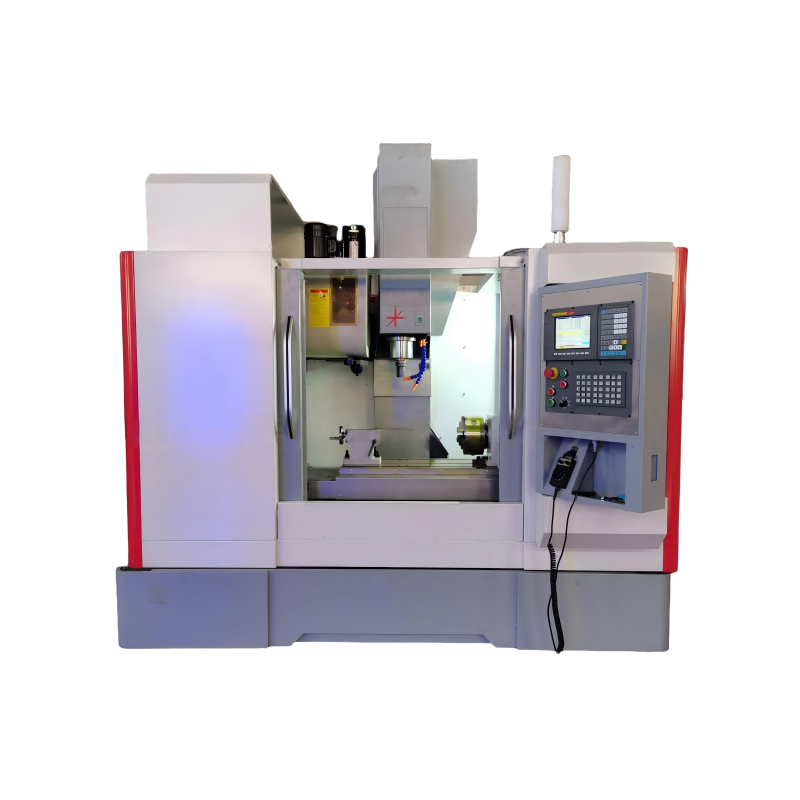
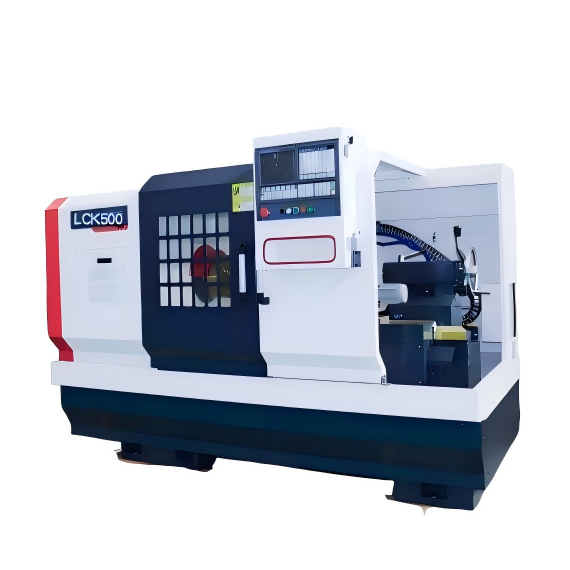
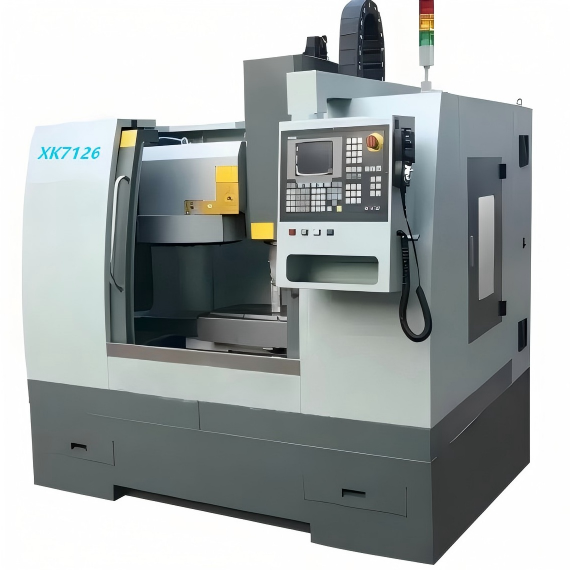
The advent of Computer Numerical Control (CNC) technology has revolutionized the manufacturing industry, particularly in precision machining. Among the various CNC machines available, the CNC Turning Center stands out due to its versatility and efficiency in producing complex parts with high accuracy. This report delves into the capabilities of a CNC Turning Center, exploring how it operates, its applications, and the benefits it offers over conventional turning methods.
A CNC Turning Center is essentially an advanced version of a lathe, designed to perform operations such as cutting, drilling, and threading on cylindrical or conical workpieces. Unlike traditional lathes, which are manually operated, a CNC Turning Center uses pre-programmed instructions to control the movement of the machine's components. These instructions, typically written in G-code, dictate the speed, feed rate, and tool paths necessary to achieve the desired shape and finish on the workpiece. The automation provided by CNC technology not only increases productivity but also enhances the repeatability and consistency of the manufactured parts. Furthermore, modern CNC Turning Centers often incorporate additional features like live tooling, allowing for milling and drilling operations to be performed without repositioning the part, thus significantly reducing setup times and improving overall process efficiency.
The versatility of a CNC Turning Center makes it a valuable asset across a wide range of industries. In the automotive sector, these machines are used to produce engine components, shafts, and other critical parts that require tight tolerances and smooth finishes. Similarly, in aerospace, where safety and performance are paramount, CNC Turning Centers play a crucial role in manufacturing aircraft parts such as turbine blades and landing gear components. Beyond these, they find application in medical device manufacturing, where intricate and precise parts like surgical instruments and implants are produced. Additionally, the oil and gas industry relies on CNC Turning Centers for creating robust and reliable parts capable of withstanding harsh operating conditions. The ability of these machines to handle a variety of materials, from metals like steel and aluminum to plastics and composites, further expands their utility in diverse fields. As technology continues to advance, we can expect the applications of CNC Turning Centers to grow, driven by the increasing demand for customized and high-precision components.
One of the most significant advantages of using a CNC Turning Center over conventional turning methods lies in its capacity to execute complex operations with unparalleled precision. Traditional lathes, while effective for simple tasks, lack the sophistication needed to produce highly detailed and intricate designs. A CNC Turning Center, on the other hand, can easily handle multi-axis machining, enabling the creation of parts with complex geometries and fine details. Moreover, the integration of computer-aided design (CAD) and computer-aided manufacturing (CAM) software allows for seamless translation of digital models into physical parts, minimizing errors and reducing the time from concept to production. Another key benefit is the reduction in labor costs. With a CNC Turning Center, once the initial setup and programming are completed, the machine can operate continuously with minimal human intervention, leading to substantial savings in manpower. Additionally, these machines offer improved material utilization through optimized cutting paths, thereby reducing waste and lowering production costs. Finally, the consistent quality achieved through CNC machining ensures that each part meets the required specifications, enhancing the reliability and performance of the final product. Overall, the combination of precision, efficiency, and cost-effectiveness makes CNC Turning Centers an indispensable tool in modern manufacturing environments.
As with any technological field, the capabilities of CNC Turning Centers have evolved significantly over the years. Recent advancements include the integration of artificial intelligence (AI) and machine learning (ML) algorithms, which enable predictive maintenance and real-time adjustments to optimize performance. For instance, AI-driven systems can monitor the condition of the machine and predict when maintenance is required, thereby preventing unexpected downtime and extending the lifespan of the equipment. Additionally, ML algorithms can analyze data from past operations to refine tool paths and improve cutting strategies, resulting in faster cycle times and better surface finishes. Another notable development is the use of advanced sensors and monitoring systems, which provide real-time feedback on factors such as temperature, vibration, and tool wear. This data is crucial for maintaining optimal operating conditions and ensuring the highest level of precision and quality. Furthermore, the trend towards Industry 4.0 and smart factories has led to increased connectivity and interoperability among CNC machines. Modern CNC Turning Centers can now be integrated into larger manufacturing networks, allowing for seamless communication and coordination with other machines and systems. This not only enhances overall efficiency but also enables more flexible and responsive production processes. As these technologies continue to mature, we can expect even greater improvements in the performance and functionality of CNC Turning Centers, further solidifying their position as a cornerstone of precision manufacturing.
In conclusion, the CNC Turning Center represents a significant leap forward in the realm of precision machining. Its ability to produce complex, high-accuracy parts with minimal human intervention makes it an invaluable asset in a wide array of industries. From automotive and aerospace to medical and energy sectors, the versatility and efficiency of CNC Turning Centers are unmatched. As technology continues to advance, we can anticipate even more sophisticated and capable machines, further expanding their applications and driving innovation in manufacturing. The integration of AI, ML, and advanced sensing technologies promises to enhance the already impressive capabilities of these machines, making them an essential component of the future of manufacturing. By embracing these advancements, manufacturers can stay ahead of the curve, delivering high-quality products with greater efficiency and at lower costs. The CNC Turning Center is not just a tool; it is a testament to the power of technology in transforming the way we create and innovate.
 30/06/2026
Enhanced Precision and ConsistencyThe adoption of a high-performance CNC (Computer Numerical Control) turning center is instrumental in achieving unparalleled levels of precision and consistency in manufacturing processes. Unlike traditional machining met
Read More30/06/2026In the dynamic landscape of automotive manufacturing, precision and speed are paramount. The integration of advanced machinery like high-speed vertical machining centers (VMCs) has revolutionized production processes, enabling manufacturers to achieve hig
Read More30/06/2026China's rapid industrialization and technological advancements have led to significant improvements in manufacturing processes, with one of the most notable being the production and application of CNC (Computer Numerical Control) machines. Among these, th
Read More30/06/2026In the ever-evolving landscape of manufacturing, CNC (Computer Numerical Control) Turning Centers have become indispensable tools for precision and efficiency. These machines represent a significant leap forward in the capabilities of modern manufacturing
Read More30/06/2026IntroductionA CNC (Computer Numerical Control) turning center is a sophisticated machine tool used for the automated production of turned parts. It combines high precision, repeatability, and efficiency, making it an indispensable asset in modern manufact
Read More30/06/2026The advent of CNC Turning Center technology has marked a significant milestone in the evolution of modern manufacturing. This report delves into the latest advancements and innovations that are reshaping the landscape of precision machining, focusing on h
Read MoreOur professional sales team is always ready to assist you.