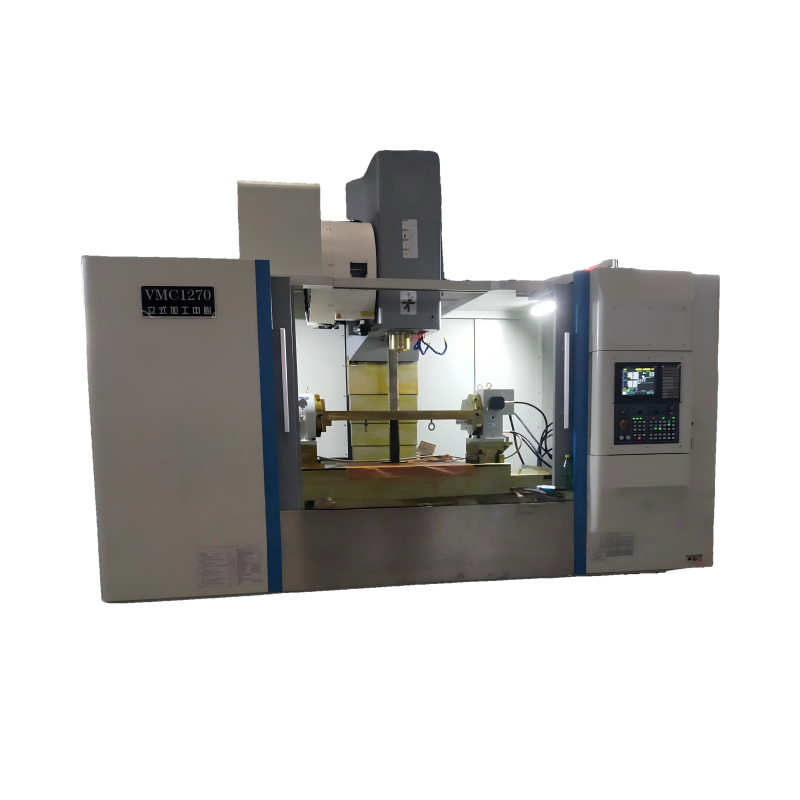
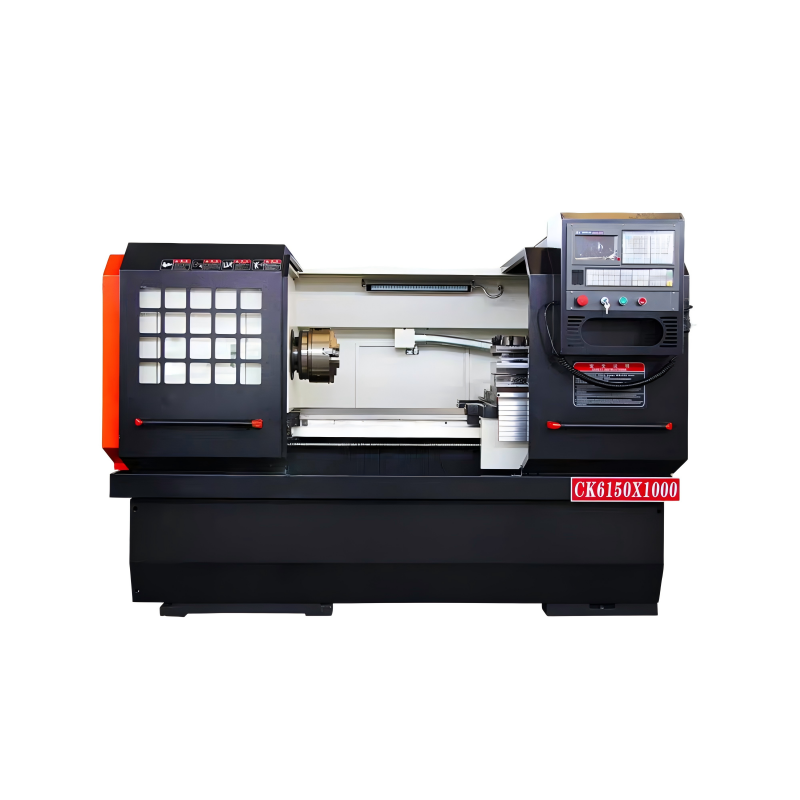
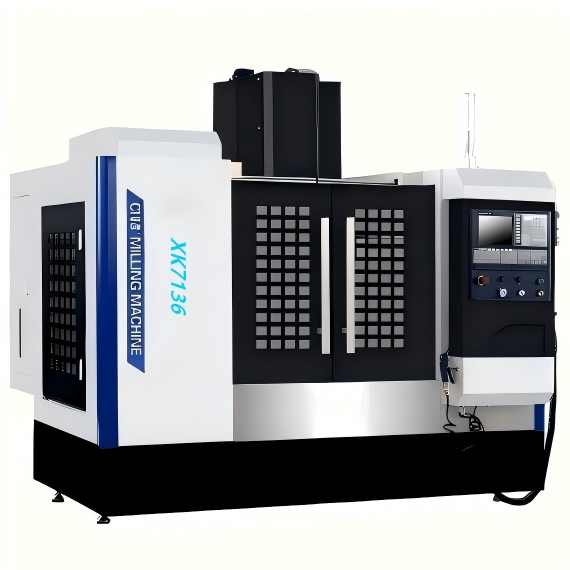
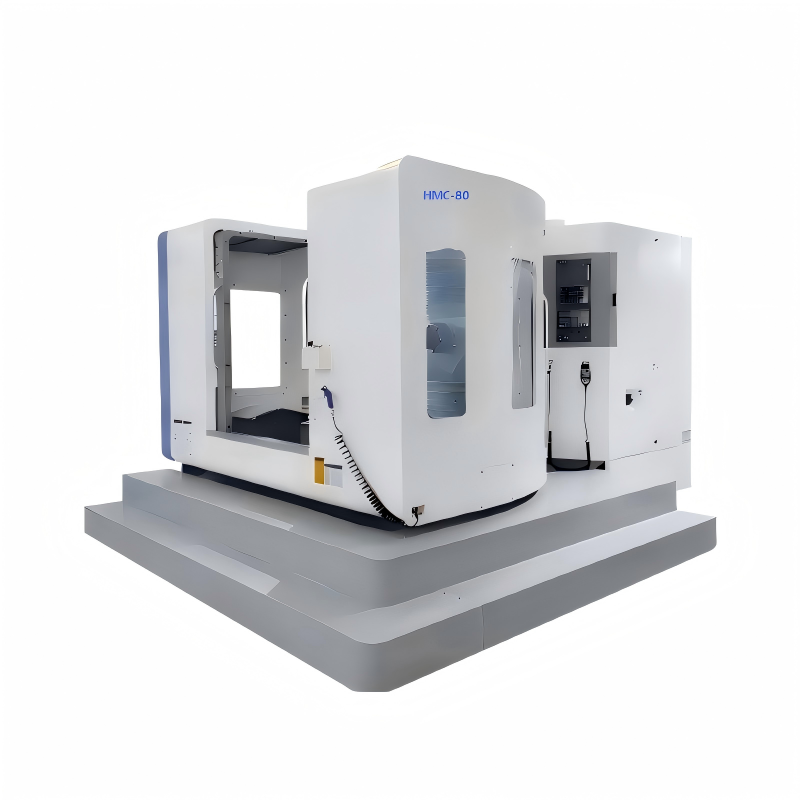
The advent of CNC Turning Center technology has marked a significant milestone in the evolution of modern manufacturing. This report delves into the latest advancements and innovations that are reshaping the landscape of precision machining, focusing on how these developments are enhancing productivity, accuracy, and flexibility within the industry.
One of the most notable trends in the development of CNC Turning Centers is the increasing level of automation. Modern CNC systems are equipped with advanced software that allows for the automatic loading and unloading of workpieces, reducing the need for manual intervention. This not only speeds up the production process but also minimizes the risk of human error, leading to higher quality products. Additionally, the integration of robotic arms and conveyor systems further streamlines the workflow, enabling 24/7 operation without the need for constant supervision. The result is a significant boost in overall efficiency, allowing manufacturers to meet tight deadlines and handle larger volumes of work.
Precision is a critical factor in manufacturing, and CNC turning centers have made remarkable strides in this area. With the use of high-precision linear guides, ball screws, and advanced control algorithms, these machines can achieve tolerances as tight as a few microns. This level of accuracy is essential for industries such as aerospace, automotive, and medical, where even the slightest deviation can have severe consequences. Moreover, the implementation of real-time monitoring and feedback systems ensures that any deviations are immediately detected and corrected, maintaining consistent quality throughout the production run. This not only improves the final product but also reduces waste and rework, contributing to cost savings and environmental sustainability.
The ability to work with a wide range of materials, including exotic alloys and composites, is another key feature of modern CNC turning centers. These machines are designed to handle the unique challenges posed by different materials, such as high hardness, brittleness, or thermal sensitivity. For instance, the use of ceramic inserts and specialized cutting tools allows for the efficient machining of hard metals like titanium and stainless steel, while the application of cryogenic cooling techniques helps to reduce tool wear and improve surface finish when working with heat-sensitive materials. Furthermore, the integration of multi-axis capabilities enables the machining of complex geometries and intricate designs, opening up new possibilities for innovation and customization in manufacturing.
Another significant advancement in CNC turning center technology is the improvement in user interface and ease of use. Modern CNC systems come with intuitive graphical interfaces that simplify the programming and operation of the machine. This is particularly beneficial for operators who may not have extensive experience with CNC technology. The use of touchscreens, drag-and-drop functionality, and pre-programmed templates makes it easier to set up and run jobs, reducing the learning curve and increasing operator productivity. Additionally, the availability of simulation and virtual reality (VR) tools allows operators to test and optimize their programs before actual machining, minimizing the risk of errors and material waste.
The continuous evolution of CNC Turning Center technology is transforming the way we manufacture products. From increased automation and enhanced precision to the integration of advanced materials and improved user interfaces, these innovations are driving the industry towards greater efficiency, accuracy, and flexibility. As manufacturers continue to adopt and invest in these cutting-edge technologies, the future of modern manufacturing looks brighter than ever.
 30/06/2026
China's rapid industrialization and technological advancements have led to significant improvements in manufacturing processes, with one of the most notable being the production and application of CNC (Computer Numerical Control) machines. Among these, th
Read More30/06/2026In the ever-evolving landscape of manufacturing, CNC (Computer Numerical Control) Turning Centers have become indispensable tools for precision and efficiency. These machines represent a significant leap forward in the capabilities of modern manufacturing
Read More30/06/2026IntroductionA CNC (Computer Numerical Control) turning center is a sophisticated machine tool used for the automated production of turned parts. It combines high precision, repeatability, and efficiency, making it an indispensable asset in modern manufact
Read More30/06/2026The advent of Computer Numerical Control (CNC) technology has revolutionized the manufacturing industry, particularly in precision machining. Among the various CNC machines available, the CNC Turning Center stands out due to its versatility and efficiency
Read MoreOur professional sales team is always ready to assist you.