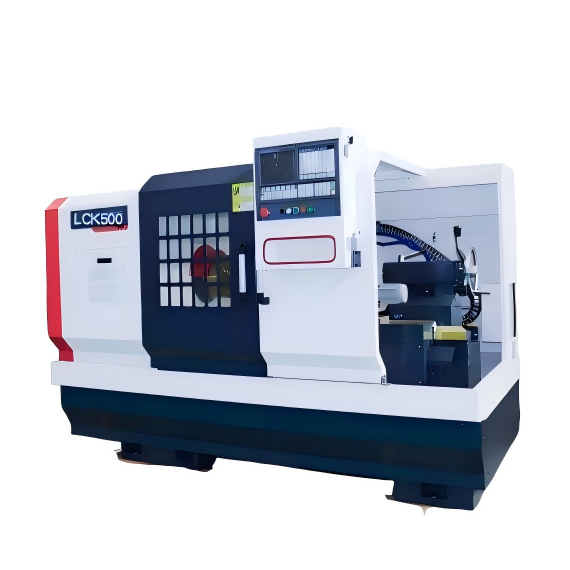
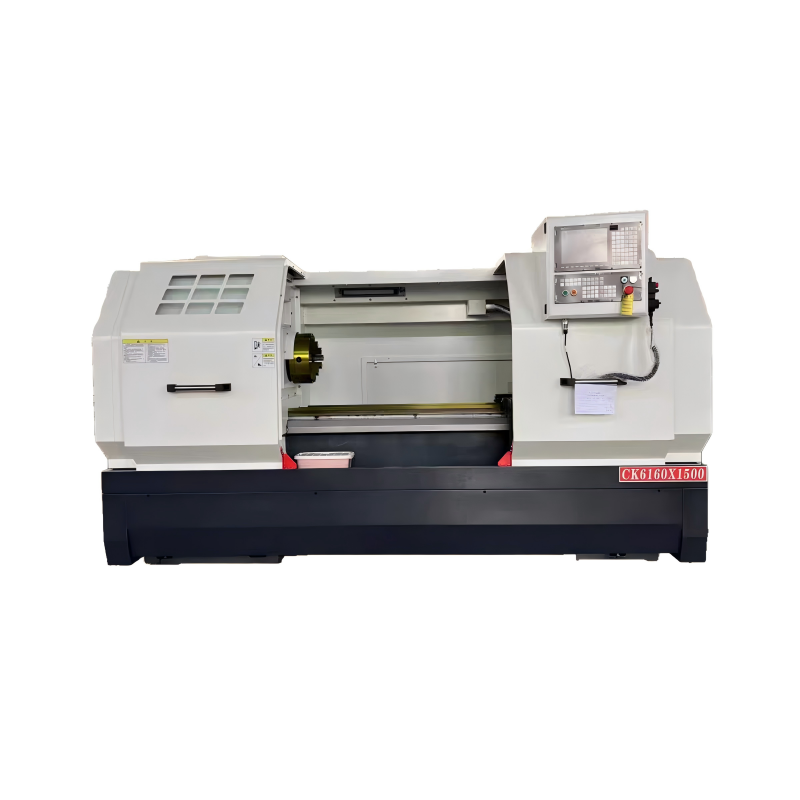
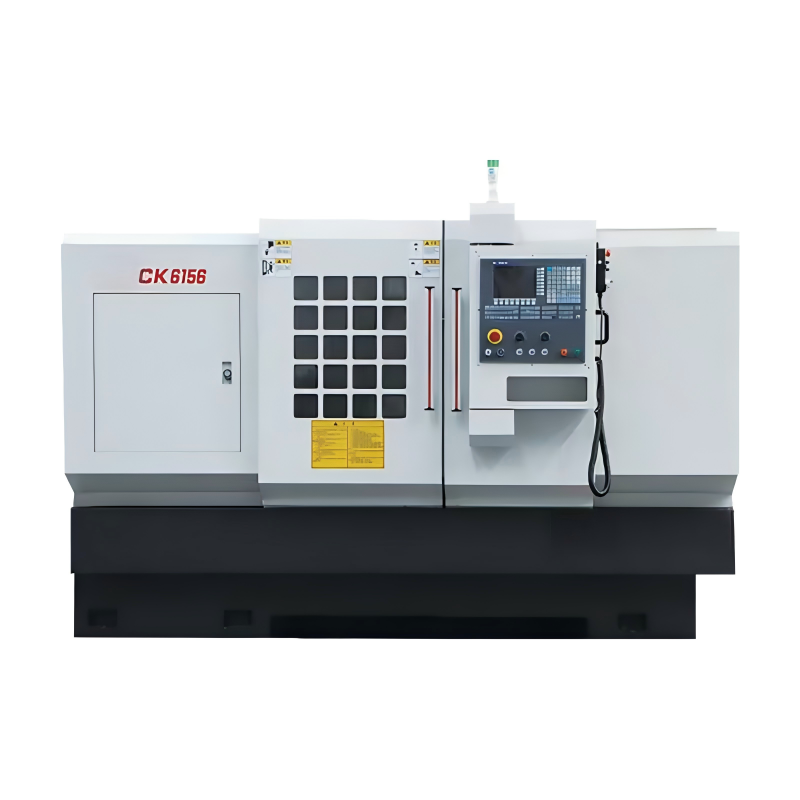
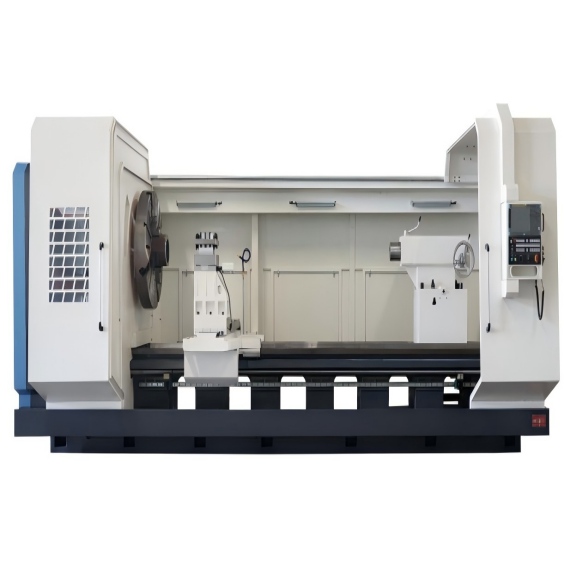
In the realm of industrial manufacturing, advancements in technology have played a pivotal role in increasing efficiency, precision, and productivity. One such technological marvel that has significantly contributed to these improvements is the CNC (Computer Numerical Control) Lathe Machine. This report delves into the critical role that CNC Lathe machines play within the context of industrial automation, exploring how they transform traditional manufacturing processes, their impact on production quality, and the broader implications for the industry.
Enhancing Precision and Consistency
The introduction of CNC Lathe Machines marks a significant leap forward from conventional manual lathes. These machines are designed to perform complex operations with high precision and consistency, which is unattainable through manual methods. The ability to program specific instructions into the machine ensures that each part produced adheres to exact specifications, reducing errors and variations. This level of accuracy is particularly crucial in industries where even minor deviations can lead to significant consequences, such as in aerospace or medical device manufacturing. By minimizing human error, CNC lathe machines not only improve the quality of the final product but also enhance overall operational reliability.
Moreover, the repeatability of tasks is another key advantage. Once a program is created, it can be used multiple times, ensuring that every batch of parts is identical. This feature is especially valuable in mass production environments, where maintaining uniformity across thousands or even millions of units is essential. The consistent output provided by CNC lathe machines leads to better quality control, reduced waste, and ultimately, lower costs.
Increasing Efficiency and Productivity
One of the most significant benefits of CNC lathe machines in industrial automation is their ability to increase efficiency and productivity. Traditional lathes require skilled operators who must manually set up and operate the machine, which can be time-consuming and labor-intensive. In contrast, CNC lathe machines automate many of these processes, allowing for continuous operation with minimal human intervention. This automation not only speeds up the production process but also frees up skilled workers to focus on more complex tasks, such as programming and maintenance.
Additionally, CNC lathe machines can handle multiple operations simultaneously, further enhancing productivity. For example, a single machine can perform turning, threading, drilling, and milling, all in one setup. This multifunctionality reduces the need for transferring parts between different machines, which can save time and reduce the risk of errors. The integration of advanced software and hardware technologies, such as real-time monitoring and predictive maintenance, also contributes to higher efficiency by identifying and addressing potential issues before they cause downtime.
Flexibility and Adaptability in Manufacturing
CNC lathe machines offer a high degree of flexibility and adaptability, making them suitable for a wide range of manufacturing applications. Unlike traditional lathes, which are often limited to specific types of operations, CNC lathes can be programmed to perform a variety of tasks, from simple turning to complex multi-axis machining. This versatility allows manufacturers to produce a diverse array of products without the need for extensive retooling or additional machinery.
Furthermore, the ease of reprogramming CNC lathe machines enables quick changes in production. In today's fast-paced market, where consumer demands and product designs can change rapidly, this flexibility is invaluable. Manufacturers can quickly switch from one product to another, reducing setup times and minimizing production delays. This adaptability is particularly beneficial in industries that require frequent design iterations or small-batch production, such as prototyping and custom manufacturing.
Integration with Advanced Technologies
The integration of CNC lathe machines with other advanced technologies, such as robotics, artificial intelligence (AI), and the Internet of Things (IoT), is revolutionizing the manufacturing landscape. Robotic arms can be used to load and unload parts, further automating the production process and reducing the need for human intervention. AI algorithms can optimize tool paths and cutting parameters, improving efficiency and extending the life of tools. IoT sensors can monitor the condition of the machine and its components, enabling predictive maintenance and reducing unplanned downtime.
These integrated systems create a smart manufacturing environment where data is collected, analyzed, and used to make informed decisions. For example, real-time data on machine performance can be used to identify bottlenecks and inefficiencies, leading to continuous improvement. Additionally, the ability to connect CNC lathe machines to a larger network of devices and systems facilitates seamless communication and coordination across the entire production line, enhancing overall operational efficiency.
Cost-Effectiveness and Return on Investment
While the initial investment in CNC lathe machines can be significant, the long-term cost savings and return on investment (ROI) make them a worthwhile investment for many manufacturers. The increased efficiency and productivity, combined with reduced labor costs and minimized waste, contribute to lower overall production costs. Additionally, the high-quality and consistent output of CNC lathe machines can lead to fewer defects and rework, further reducing costs.
Moreover, the longevity and durability of CNC lathe machines, along with their ability to handle a wide range of operations, mean that they can provide a strong ROI over their lifespan. Regular maintenance and timely upgrades can extend the life of the machine, ensuring that it continues to deliver value for years to come. In many cases, the cost savings and improved productivity achieved through the use of CNC lathe machines can justify the initial investment within a relatively short period.
In conclusion, the role of CNC lathe machines in industrial automation is multifaceted and far-reaching. They enhance precision and consistency, increase efficiency and productivity, offer flexibility and adaptability, integrate seamlessly with advanced technologies, and provide a strong return on investment. As manufacturing continues to evolve, the importance of CNC lathe machines will only grow, driving innovation and progress in the industry.
 30/06/2026



