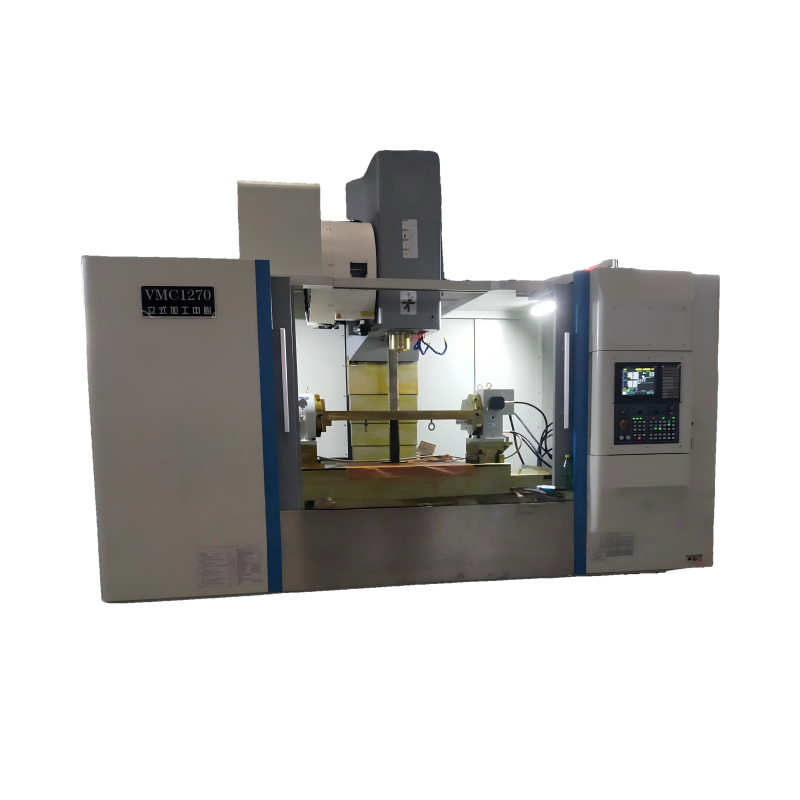
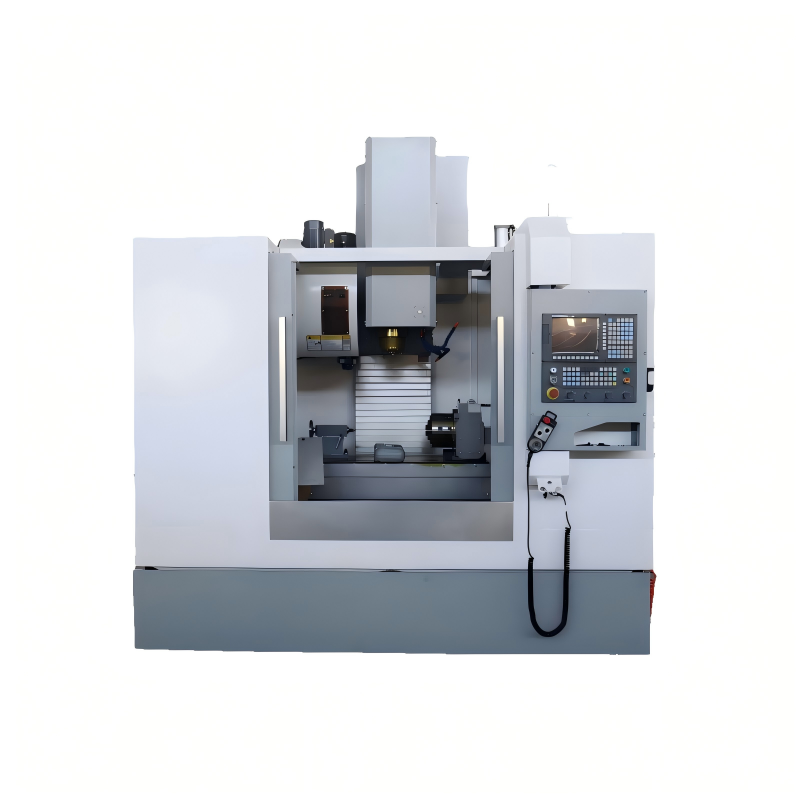
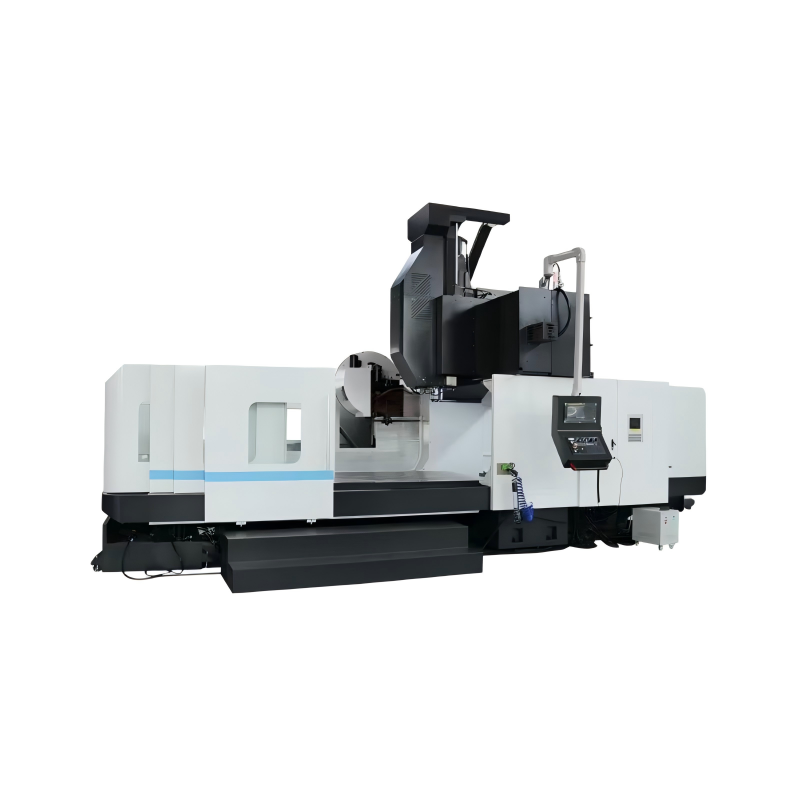
In today's rapidly evolving manufacturing landscape, the integration of advanced technologies has become indispensable for businesses aiming to stay competitive. One such technology that stands out is the CNC Lathe Machine. This article delves into how modern CNC Lathes are revolutionizing productivity in the manufacturing sector, providing a comprehensive overview of their capabilities and benefits.
Modern CNC Lathe Machines have significantly enhanced the precision and accuracy of machining processes. Unlike traditional lathes, which rely on manual operation and can be prone to human error, CNC lathes use computer-controlled systems to execute highly accurate and repeatable operations. The software-driven control system allows for precise adjustments and fine-tuning, ensuring that each part produced meets the exact specifications required. This level of precision is particularly crucial in industries such as aerospace, automotive, and medical devices, where even the slightest deviation can have serious consequences.
Moreover, the use of high-precision sensors and feedback mechanisms in these machines ensures that any deviations from the programmed path are immediately detected and corrected. This not only improves the quality of the final product but also reduces the need for rework, thereby increasing overall efficiency and reducing costs.
One of the most significant advantages of modern CNC lathe machines is their ability to increase production efficiency and throughput. These machines are designed to operate continuously with minimal downtime, thanks to their robust construction and advanced automation features. The use of multi-axis configurations, such as 4-axis and 5-axis lathes, allows for more complex and intricate parts to be machined in a single setup, reducing the need for multiple setups and tool changes.
Additionally, the integration of automated tool changers and pallet changers further enhances the efficiency of these machines. Automated tool changers allow for rapid and seamless switching between different tools, while pallet changers enable the loading and unloading of workpieces without interrupting the machining process. These features collectively contribute to a significant reduction in cycle times and an increase in overall productivity.
Another key benefit of modern CNC lathe machines is their enhanced flexibility and customization capabilities. These machines can be easily programmed to handle a wide range of materials, from metals like steel and aluminum to non-metals such as plastics and composites. The ability to switch between different materials and part geometries with minimal setup time makes them ideal for both small-batch and large-scale production runs.
The use of CAD/CAM (Computer-Aided Design/Computer-Aided Manufacturing) software further enhances the flexibility of CNC lathes. This software allows for the creation of detailed 3D models and the generation of toolpaths that can be directly loaded into the machine. This not only speeds up the programming process but also ensures that the machine can quickly adapt to new designs and requirements. As a result, manufacturers can respond more effectively to changing market demands and customer needs, ultimately leading to increased competitiveness and customer satisfaction.
The adoption of modern CNC lathe machines also leads to reduced labor costs and improved safety in the workplace. Traditional lathes require skilled operators to manually control the machine, which can be both time-consuming and labor-intensive. In contrast, CNC lathes are largely automated, requiring only a few trained operators to oversee the process and make occasional adjustments. This reduction in labor requirements translates into significant cost savings for manufacturers.
Furthermore, the automation of CNC lathes reduces the risk of workplace accidents. Manual lathes pose a higher risk of injury due to the close proximity of the operator to the moving parts and cutting tools. With CNC lathes, the operator can maintain a safe distance from the machine, and the use of safety features such as emergency stop buttons and protective enclosures further minimizes the risk of accidents. This not only creates a safer working environment but also helps in complying with health and safety regulations, thereby avoiding potential legal and financial liabilities.
The integration of modern CNC lathe machines into manufacturing processes offers numerous benefits, including enhanced precision and accuracy, increased efficiency and throughput, enhanced flexibility and customization, and reduced labor costs and improved safety. As the manufacturing industry continues to evolve, the adoption of these advanced technologies will play a crucial role in driving productivity and maintaining a competitive edge. By leveraging the capabilities of modern CNC lathes, manufacturers can achieve higher levels of quality, efficiency, and flexibility, ultimately leading to greater success and growth in the global marketplace.
 30/06/2026
In the realm of industrial manufacturing, advancements in technology have played a pivotal role in increasing efficiency, precision, and productivity. One such technological marvel that has significantly contributed to these improvements is the CNC (Compu
Read More30/06/2026IntroductionThe advent of CNC (Computer Numerical Control) technology has revolutionized the manufacturing industry, enabling higher precision, efficiency, and consistency in production. One of the key machines that have benefited from this technological
Read MoreOur professional sales team is always ready to assist you.