Introduction
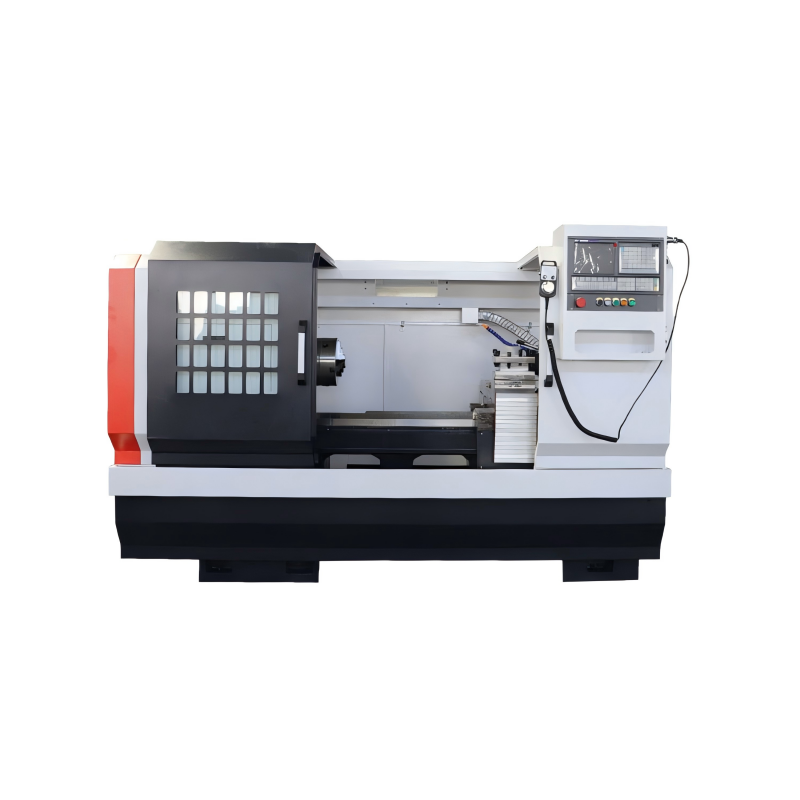
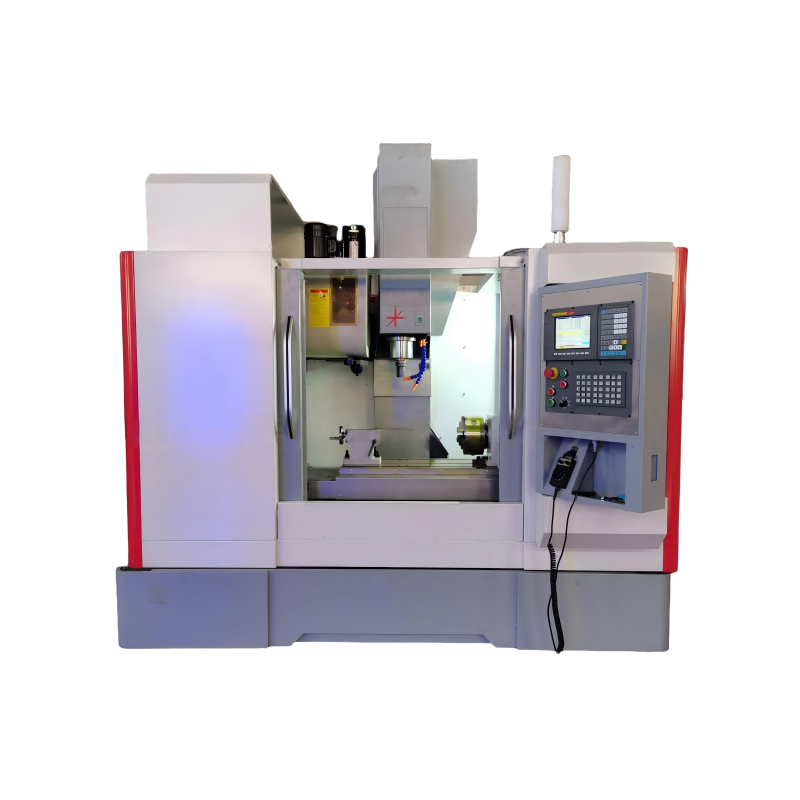
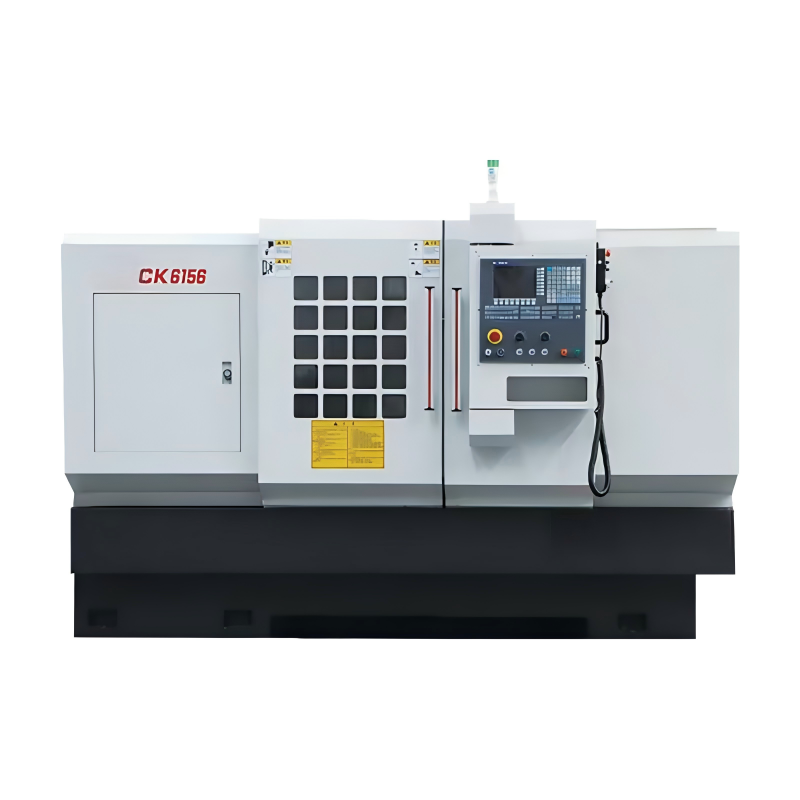
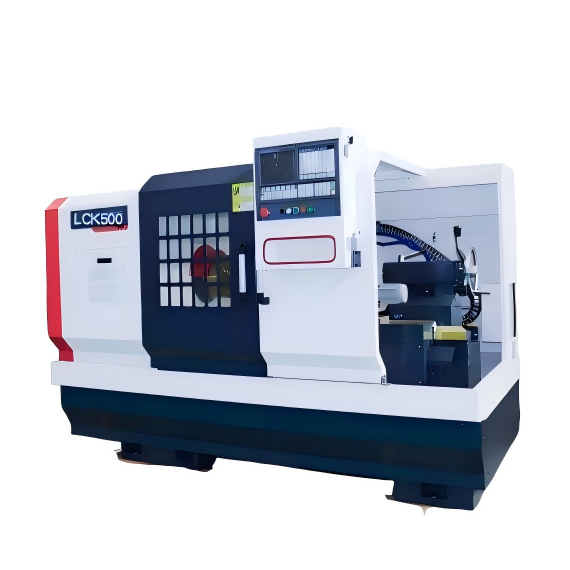
The advent of CNC (Computer Numerical Control) technology has revolutionized the manufacturing industry, enabling higher precision, efficiency, and consistency in production. One of the key machines that have benefited from this technological advancement is the CNC Lathe Machine. This report aims to explore the precision manufacturing techniques employed in CNC Lathe Machines, highlighting their significance in modern industrial processes.
A CNC lathe machine is a sophisticated tool designed to perform complex machining operations with high accuracy. Unlike traditional lathes, which require manual operation, CNC lathes are controlled by a computer, allowing for precise and repeatable results. The machine reads G-code, a programming language, to execute specific tasks such as cutting, drilling, and threading. The ability to automate these processes not only enhances productivity but also reduces the likelihood of human error, making it an indispensable asset in precision manufacturing.
To achieve high precision, a CNC lathe machine comprises several critical components, each playing a vital role in the machining process. These include:
Each of these components must be carefully designed and maintained to ensure optimal performance and longevity of the CNC lathe machine.
Several precision manufacturing techniques are employed in CNC lathe machines to achieve the desired level of accuracy and quality. Some of the most important techniques include:
By implementing these precision manufacturing techniques, CNC lathe machines can produce parts with tight tolerances and excellent surface finishes, meeting the stringent requirements of various industries, including aerospace, automotive, and medical.
Effective programming and simulation are critical for maximizing the capabilities of a CNC lathe machine. G-code, the standard programming language for CNC machines, allows operators to define the exact movements and operations required for a particular job. However, creating efficient and error-free G-code can be challenging, especially for complex parts. To address this, many manufacturers use CAD/CAM (Computer-Aided Design/Computer-Aided Manufacturing) software, which automates the process of generating G-code from 3D models.
In addition to programming, simulation plays a crucial role in ensuring the success of the machining process. Simulation software allows operators to visualize and test the G-code before running it on the actual machine. This helps to identify potential issues, such as collisions or incorrect tool paths, and make necessary adjustments. By simulating the machining process, manufacturers can reduce the risk of errors, save time, and improve the overall efficiency of the production process.
Regular maintenance and calibration are essential for maintaining the precision and reliability of a CNC lathe machine. Over time, wear and tear, as well as environmental factors, can affect the machine's performance. Some of the key maintenance tasks include:
By following a comprehensive maintenance and calibration schedule, manufacturers can extend the lifespan of their CNC lathe machines and ensure that they continue to deliver high-precision results.
CNC lathe machines have become an integral part of modern manufacturing, offering unparalleled precision, efficiency, and versatility. The combination of advanced technology, high-quality components, and precision manufacturing techniques enables these machines to produce parts with exceptional accuracy and surface finish. By understanding the key components, employing advanced techniques, and maintaining the machine properly, manufacturers can leverage the full potential of CNC lathe machines to meet the demands of today's competitive market.
As the manufacturing industry continues to evolve, the importance of CNC lathe machines will only grow, driving innovation and excellence in precision manufacturing. Investing in these technologies and practices will undoubtedly yield significant benefits for manufacturers, ensuring their continued success and competitiveness in the global marketplace.
 30/06/2026
In the realm of industrial manufacturing, advancements in technology have played a pivotal role in increasing efficiency, precision, and productivity. One such technological marvel that has significantly contributed to these improvements is the CNC (Compu
Read More30/06/2026In today's rapidly evolving manufacturing landscape, the integration of advanced technologies has become indispensable for businesses aiming to stay competitive. One such technology that stands out is the CNC Lathe Machine. This article delves into how mo
Read MoreOur professional sales team is always ready to assist you.