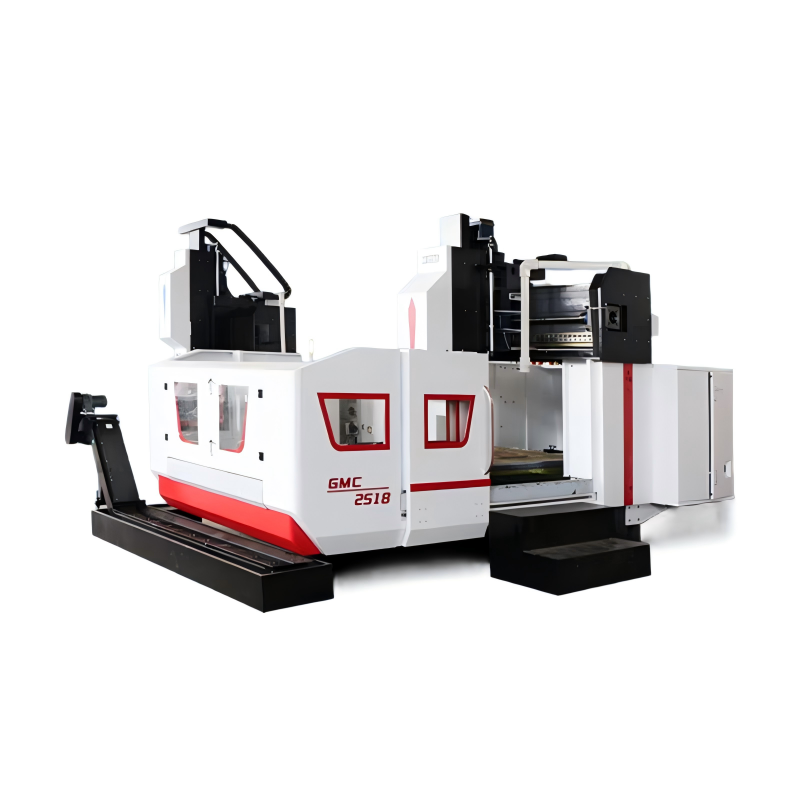
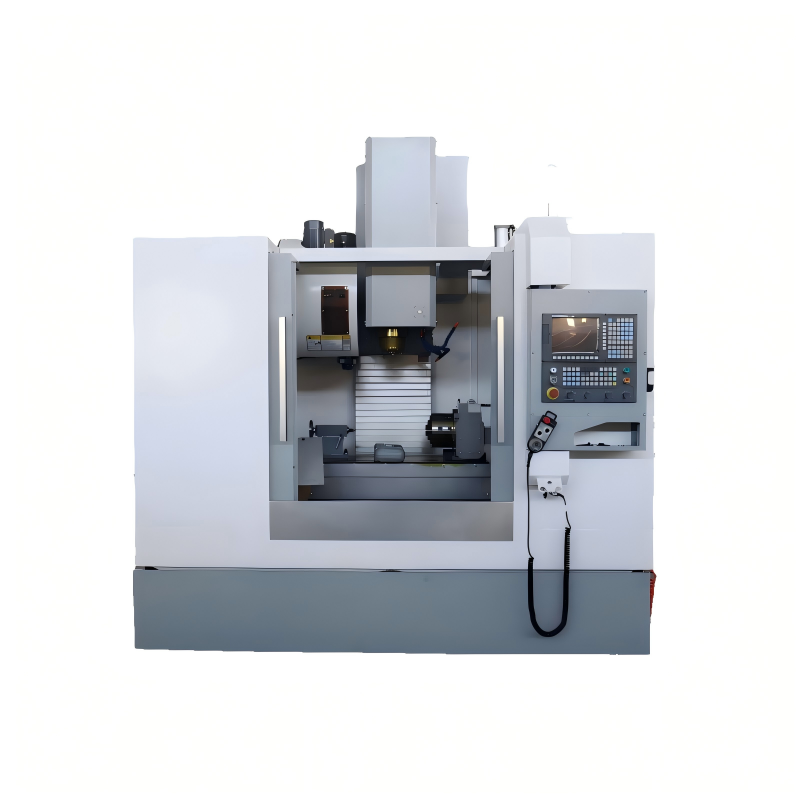
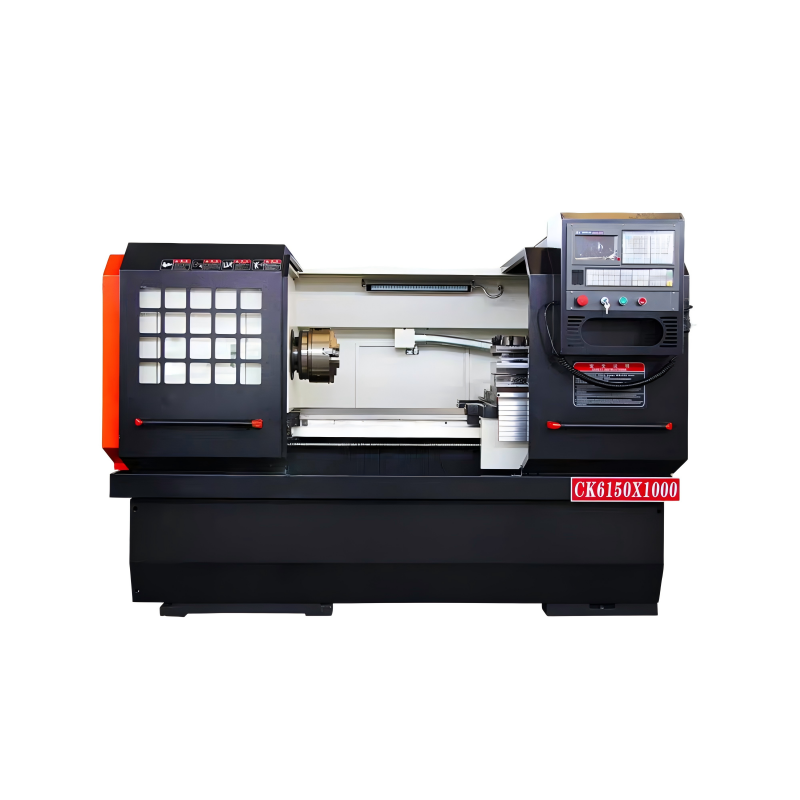
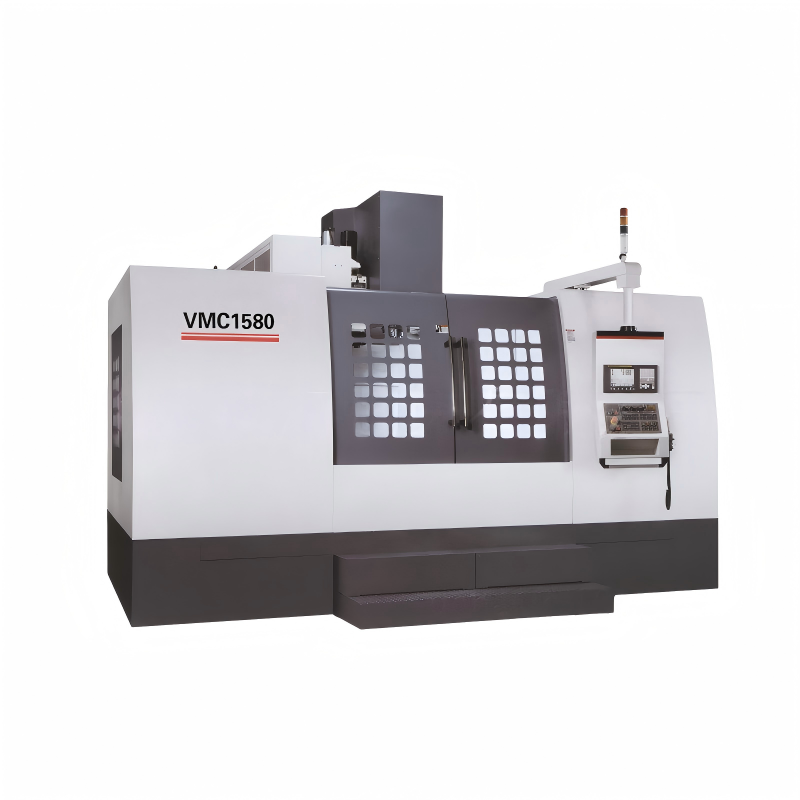
In the ever-evolving landscape of manufacturing, CNC (Computer Numerical Control) Turning Centers have become indispensable tools for precision and efficiency. These machines represent a significant leap forward in the capabilities of modern manufacturing, enabling the production of complex parts with high accuracy and repeatability. This report delves into the latest innovations in CNC Turning Centers and their impact on the industry.
The integration of advanced automation technologies has transformed the functionality of CNC Turning Centers. Modern CNC Turning Centers are equipped with sophisticated software that allows for seamless communication between different components of the manufacturing process. This includes the use of robotic arms for part loading and unloading, as well as automated tool changers that minimize downtime and enhance productivity. The ability to integrate these systems with other manufacturing processes, such as milling and drilling, further streamlines the production workflow, leading to increased efficiency and reduced lead times.
Moreover, the adoption of Industry 4.0 principles, such as the Internet of Things (IoT) and artificial intelligence (AI), has enabled real-time monitoring and predictive maintenance. Sensors embedded in the CNC Turning Center can collect data on machine performance, which is then analyzed to predict potential failures and schedule maintenance proactively. This not only reduces unexpected downtime but also extends the lifespan of the equipment, ensuring consistent and reliable operation.
One of the key advantages of CNC Turning Centers is their ability to produce parts with exceptional precision and surface finish. Recent advancements in spindle technology, tooling, and control systems have further enhanced these capabilities. High-speed spindles, capable of operating at speeds up to 10,000 RPM or more, allow for faster cutting and improved surface quality. Additionally, the use of advanced tool materials, such as polycrystalline diamond (PCD) and cubic boron nitride (CBN), enables the machining of hard and abrasive materials with minimal wear, ensuring consistent and high-quality results.
Control systems have also seen significant improvements, with the introduction of high-resolution encoders and advanced algorithms that provide precise control over the cutting process. This level of control is crucial for achieving tight tolerances and complex geometries, which are often required in industries such as aerospace, automotive, and medical device manufacturing. The combination of these advancements ensures that CNC Turning Centers can meet the stringent requirements of modern manufacturing, delivering parts that are both accurate and aesthetically pleasing.
As environmental concerns continue to gain prominence, the focus on energy efficiency and sustainability in manufacturing has intensified. CNC Turning Centers are no exception, and manufacturers are increasingly adopting designs that reduce energy consumption and minimize waste. One approach is the use of energy-efficient motors and drives, which consume less power while maintaining high performance. Additionally, the implementation of regenerative braking systems allows for the recovery and reuse of energy generated during deceleration, further reducing overall energy consumption.
Another aspect of sustainability is the reduction of material waste. Advanced simulation and optimization software can be used to plan and execute machining operations more efficiently, minimizing the amount of scrap material produced. Furthermore, the use of additive manufacturing techniques, such as 3D printing, in conjunction with CNC Turning Centers, can enable the production of near-net-shape parts, reducing the need for extensive machining and material removal. This not only saves resources but also contributes to a more sustainable manufacturing process.
CNC Turning Centers have come a long way since their inception, and the latest innovations continue to push the boundaries of what is possible in modern manufacturing. The integration of advanced automation and Industry 4.0 technologies, enhanced precision and surface finish, and a focus on energy efficiency and sustainability are just a few of the key areas where these machines are making a significant impact. As the manufacturing industry continues to evolve, CNC Turning Centers will undoubtedly play a central role in driving progress and innovation.
 30/06/2026
Enhanced Precision and ConsistencyThe adoption of a high-performance CNC (Computer Numerical Control) turning center is instrumental in achieving unparalleled levels of precision and consistency in manufacturing processes. Unlike traditional machining met
Read More30/06/2026In the dynamic landscape of automotive manufacturing, precision and speed are paramount. The integration of advanced machinery like high-speed vertical machining centers (VMCs) has revolutionized production processes, enabling manufacturers to achieve hig
Read More30/06/2026China's rapid industrialization and technological advancements have led to significant improvements in manufacturing processes, with one of the most notable being the production and application of CNC (Computer Numerical Control) machines. Among these, th
Read More30/06/2026IntroductionA CNC (Computer Numerical Control) turning center is a sophisticated machine tool used for the automated production of turned parts. It combines high precision, repeatability, and efficiency, making it an indispensable asset in modern manufact
Read More30/06/2026The advent of Computer Numerical Control (CNC) technology has revolutionized the manufacturing industry, particularly in precision machining. Among the various CNC machines available, the CNC Turning Center stands out due to its versatility and efficiency
Read More30/06/2026The advent of CNC Turning Center technology has marked a significant milestone in the evolution of modern manufacturing. This report delves into the latest advancements and innovations that are reshaping the landscape of precision machining, focusing on h
Read MoreOur professional sales team is always ready to assist you.