Introduction
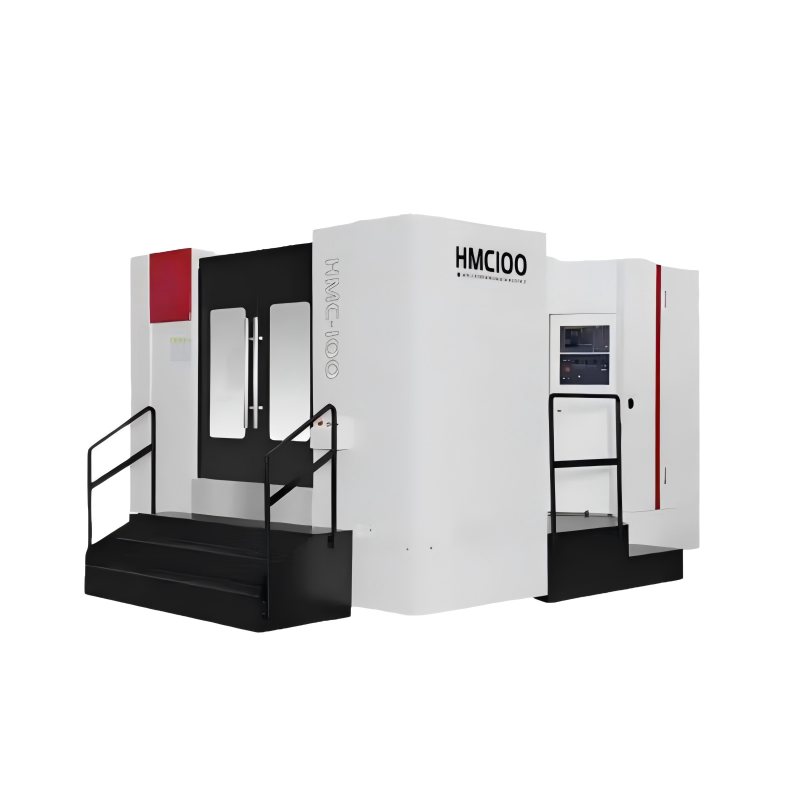
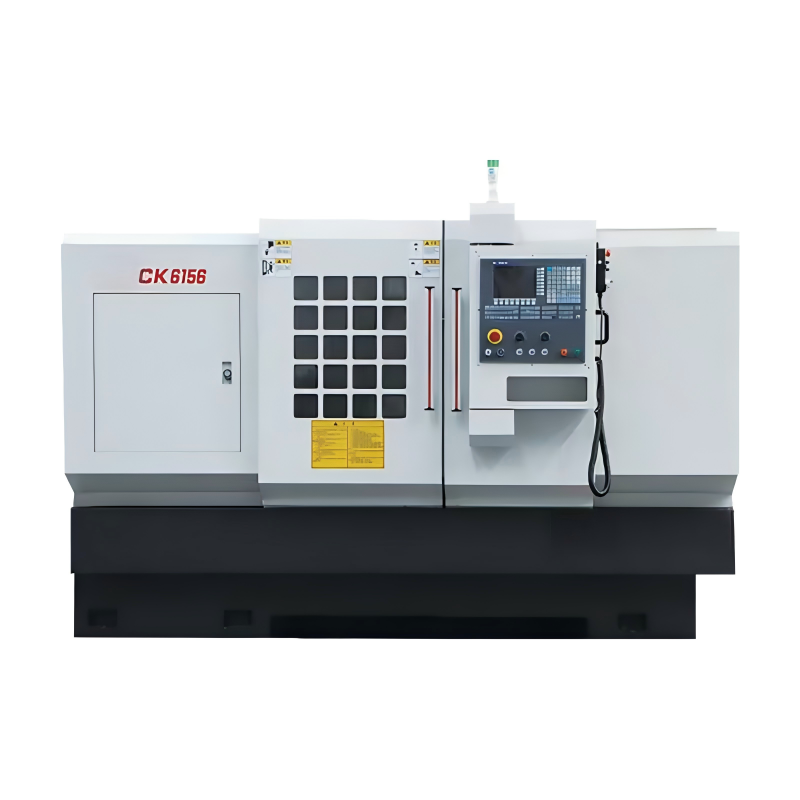
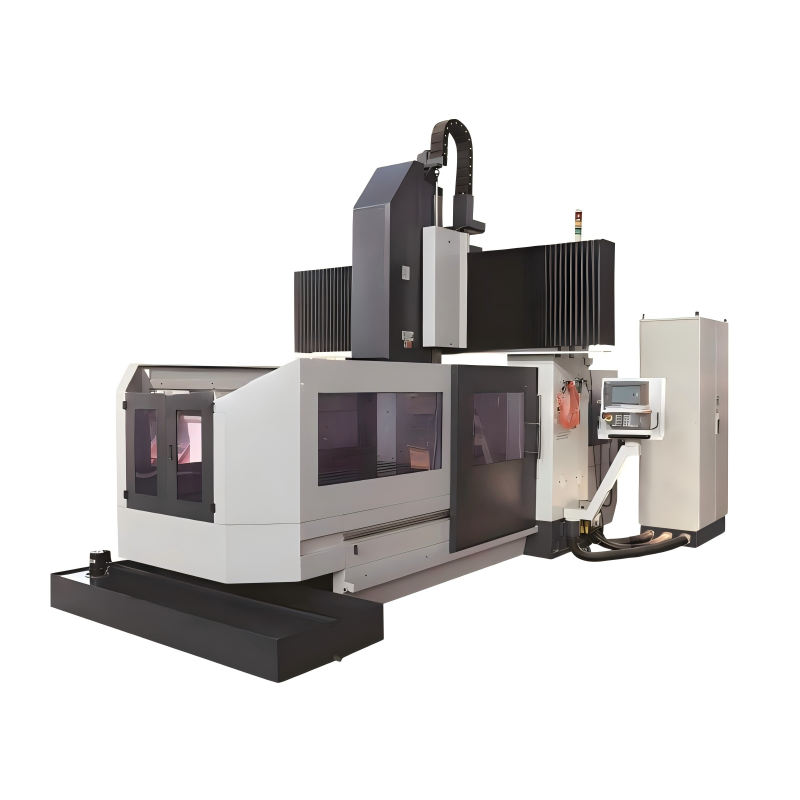
A CNC (Computer Numerical Control) turning center is a sophisticated machine tool used for the automated production of turned parts. It combines high precision, repeatability, and efficiency, making it an indispensable asset in modern manufacturing. To fully leverage its capabilities, manufacturers must understand how to optimize its use. This technical report explores several strategies to maximize efficiency with a CNC Turning Center.
The selection and management of cutting tools play a crucial role in the overall efficiency of a CNC turning center. The right choice of tools can significantly reduce machining time and improve surface finish quality. When selecting tools, consider factors such as material, geometry, and coating. High-speed steel (HSS) and carbide tools are commonly used, but for specific applications, ceramic or diamond-coated tools may be more appropriate. Additionally, implementing a tool management system that tracks tool usage, wear, and replacement schedules can help maintain consistent performance and minimize downtime.
Regular maintenance and calibration of tools are also essential. Worn or improperly calibrated tools can lead to poor part quality and increased scrap rates. By ensuring that tools are in optimal condition, you can achieve higher productivity and longer tool life. Furthermore, using modular tooling systems allows for quick tool changes, reducing setup times and increasing machine utilization.
Effective programming is another critical factor in maximizing the efficiency of a CNC turning center. Advanced CAM (Computer-Aided Manufacturing) software can generate optimized toolpaths that reduce machining time and improve accuracy. Utilizing features such as adaptive toolpaths, which adjust the feed rate based on the material being cut, can enhance both speed and surface finish. Additionally, employing high-speed machining techniques, such as trochoidal milling, can further increase productivity by allowing for faster cutting speeds and reduced tool wear.
Another key aspect of programming is the use of subroutines and macros. These allow for the reuse of common operations, reducing the amount of code needed and minimizing errors. Subroutines can be particularly useful for repetitive tasks, such as threading or drilling, and can be easily modified for different part configurations. Moreover, post-processing software can convert the toolpaths into machine-specific G-code, ensuring that the CNC turning center operates at its best.
Lean manufacturing principles focus on eliminating waste and improving process flow. In the context of a CNC turning center, this involves streamlining operations to reduce setup times, minimize idle periods, and optimize material handling. One effective strategy is the implementation of single-minute exchange of die (SMED) techniques, which aim to reduce changeover times to less than ten minutes. This can be achieved through standardization, parallel processing, and the use of quick-change tooling.
Additionally, 5S (Sort, Set in Order, Shine, Standardize, Sustain) methodology can be applied to keep the work area organized and clean, reducing the likelihood of errors and improving safety. Visual management tools, such as Kanban boards and Andon lights, can also be used to monitor production status and quickly identify and address issues. By continuously analyzing and improving processes, manufacturers can achieve higher throughput and lower costs.
Automation is a powerful tool for enhancing the efficiency of a CNC turning center. Automated loading and unloading systems, such as robotic arms and conveyors, can significantly reduce cycle times and eliminate the need for manual intervention. These systems can be programmed to handle multiple part types, making them highly versatile and adaptable to changing production requirements. Additionally, integrating the CNC turning center with other machines, such as lathes and mills, through a flexible manufacturing system (FMS) can create a seamless workflow, further boosting productivity.
Integration with advanced monitoring and control systems, such as machine learning and artificial intelligence (AI), can provide real-time data and insights into machine performance. Predictive maintenance, for example, uses sensor data to detect potential issues before they become critical, reducing unplanned downtime and extending the lifespan of the CNC turning center. Furthermore, integrating the CNC turning center with enterprise resource planning (ERP) and manufacturing execution systems (MES) can streamline the entire production process, from order entry to delivery.
Maximizing the efficiency of a CNC turning center requires a multifaceted approach that includes optimizing tool selection and management, enhancing programming techniques, implementing lean manufacturing principles, and utilizing automation and integration. By adopting these strategies, manufacturers can achieve higher productivity, improved part quality, and lower operational costs. Continuous improvement and a commitment to best practices are key to staying competitive in today’s rapidly evolving manufacturing landscape.
 30/06/2026
Enhanced Precision and ConsistencyThe adoption of a high-performance CNC (Computer Numerical Control) turning center is instrumental in achieving unparalleled levels of precision and consistency in manufacturing processes. Unlike traditional machining met
Read More30/06/2026In the dynamic landscape of automotive manufacturing, precision and speed are paramount. The integration of advanced machinery like high-speed vertical machining centers (VMCs) has revolutionized production processes, enabling manufacturers to achieve hig
Read More30/06/2026China's rapid industrialization and technological advancements have led to significant improvements in manufacturing processes, with one of the most notable being the production and application of CNC (Computer Numerical Control) machines. Among these, th
Read More30/06/2026In the ever-evolving landscape of manufacturing, CNC (Computer Numerical Control) Turning Centers have become indispensable tools for precision and efficiency. These machines represent a significant leap forward in the capabilities of modern manufacturing
Read More30/06/2026The advent of Computer Numerical Control (CNC) technology has revolutionized the manufacturing industry, particularly in precision machining. Among the various CNC machines available, the CNC Turning Center stands out due to its versatility and efficiency
Read More30/06/2026The advent of CNC Turning Center technology has marked a significant milestone in the evolution of modern manufacturing. This report delves into the latest advancements and innovations that are reshaping the landscape of precision machining, focusing on h
Read MoreOur professional sales team is always ready to assist you.