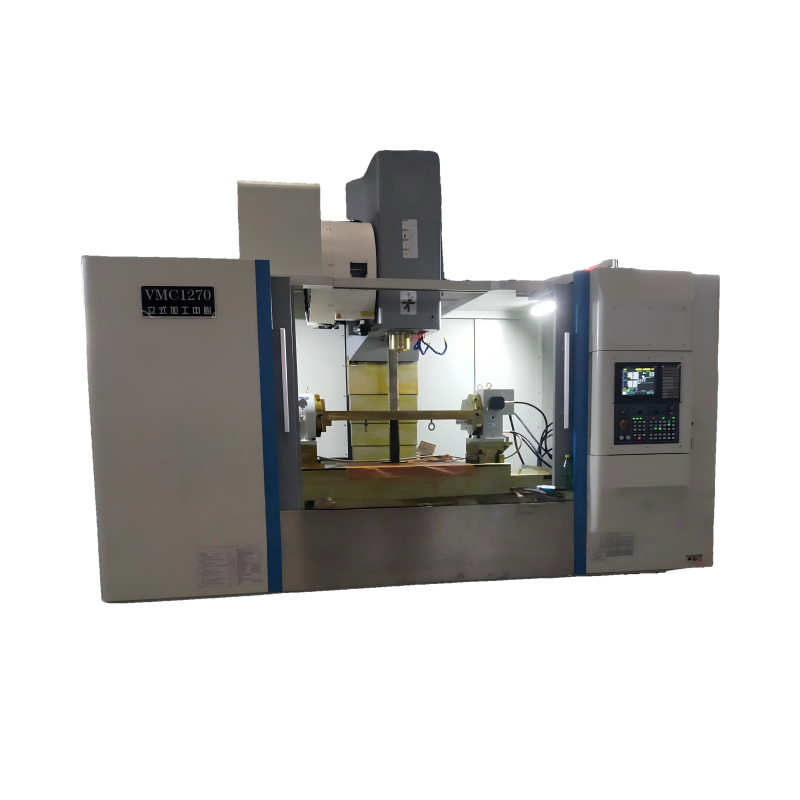
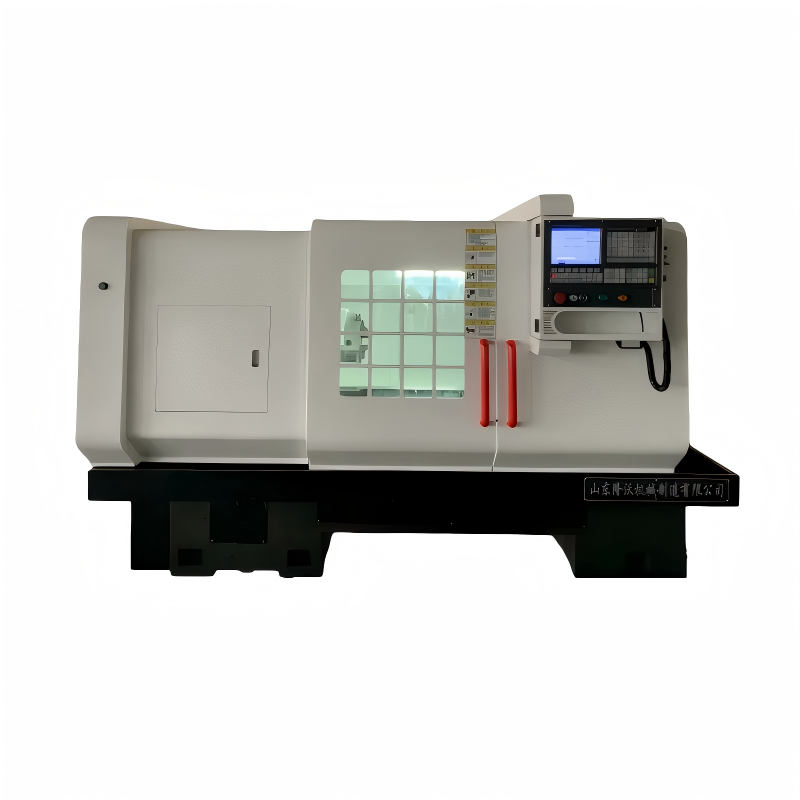
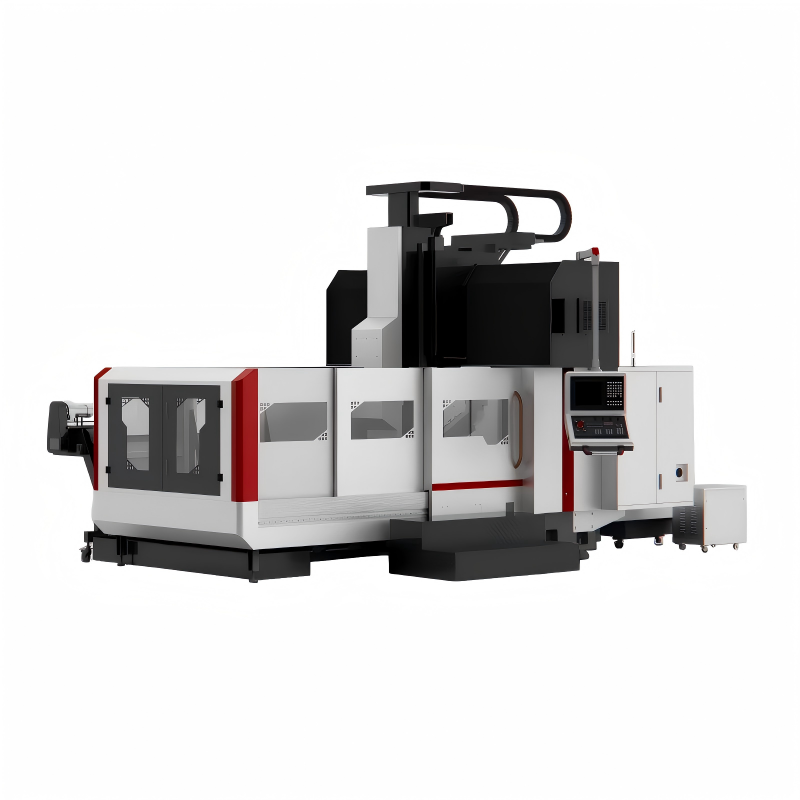
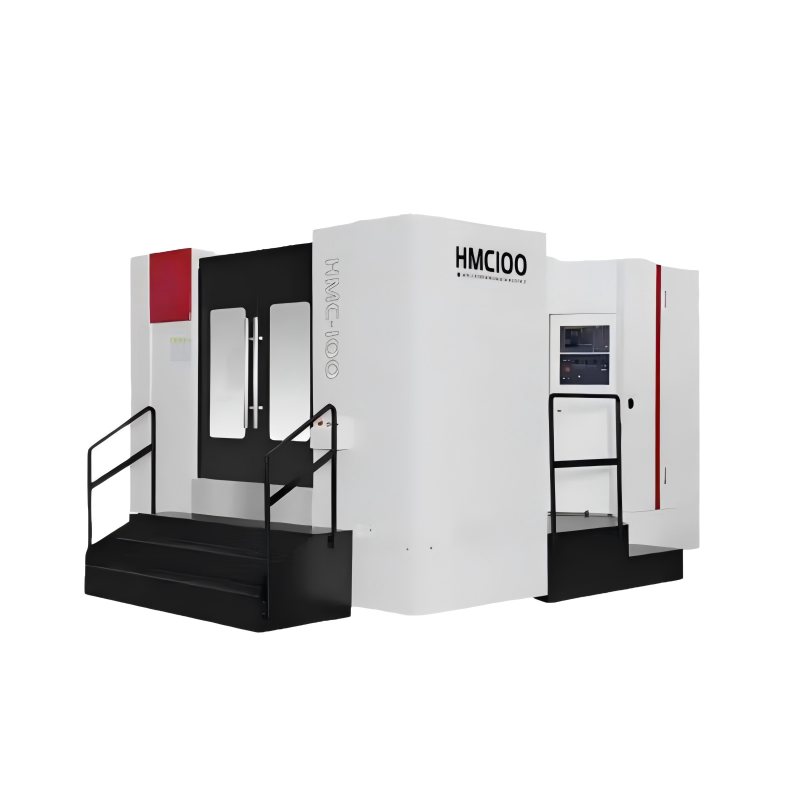
Turret Type VMC (Vertical Machining Center) machines are essential tools in the manufacturing industry, known for their versatility and precision. However, to ensure these machines operate at peak efficiency, regular maintenance is crucial. This technical report aims to provide best practices for maintaining your Turret Type VMC, covering key areas such as preventive maintenance, troubleshooting, and optimization of performance.
Maintenance is not just about fixing issues when they arise; it's a proactive approach to keep the machine running smoothly and efficiently. For Turret Type VMCs, regular maintenance can significantly extend the lifespan of the equipment, reduce downtime, and improve overall productivity. By following a structured maintenance schedule, you can identify potential problems before they become critical, ensuring that your machine remains in top condition.
One of the primary benefits of regular maintenance is the reduction in unexpected breakdowns. When components are regularly inspected and serviced, the likelihood of sudden failures decreases. This leads to a more predictable and reliable production process, which is essential in today’s fast-paced manufacturing environment.
Additionally, regular maintenance helps in maintaining the accuracy and precision of the Turret Type VMC. Over time, wear and tear can affect the machine’s performance, leading to inaccuracies in machining. By keeping the machine well-maintained, you can ensure that it continues to produce high-quality parts consistently.
To effectively maintain a Turret Type VMC, it is important to focus on several key components. These include the spindle, turret, linear guides, and lubrication system. Each of these components plays a critical role in the machine’s operation, and neglecting any one of them can lead to significant performance issues.
The spindle is the heart of the VMC, responsible for rotating the cutting tool. Regular inspection of the spindle should include checking for signs of wear, such as unusual noise or vibration. Additionally, the spindle bearings should be properly lubricated and checked for any signs of damage. Replacing worn bearings and ensuring proper lubrication can significantly extend the life of the spindle and maintain its precision.
The turret is another critical component, housing multiple tools and allowing for quick tool changes. It is essential to inspect the turret for any signs of wear, such as loose or misaligned tools. The turret should also be cleaned regularly to remove any debris or contaminants that could interfere with its operation. Proper alignment and secure mounting of tools in the turret are crucial for maintaining the machine’s accuracy.
Linear guides are responsible for the smooth and precise movement of the machine’s axes. Regular inspection of the linear guides should include checking for signs of wear, such as excessive play or uneven movement. The guides should be kept clean and properly lubricated to ensure smooth operation. Any signs of wear should be addressed promptly to prevent further damage and maintain the machine’s precision.
The lubrication system is vital for the proper functioning of the VMC. Regular checks should be performed to ensure that all moving parts are adequately lubricated. This includes the spindle, turret, and linear guides. The lubrication system should be cleaned and flushed periodically to remove any contaminants that could clog the system. Using the correct type and amount of lubricant is also crucial for optimal performance.
A well-structured preventive maintenance schedule is essential for ensuring that all necessary tasks are performed regularly. A typical preventive maintenance schedule for a Turret Type VMC might include daily, weekly, monthly, and annual tasks. By adhering to this schedule, you can ensure that the machine is always in top condition.
Daily tasks should include cleaning the machine, checking for any signs of wear or damage, and ensuring that all tools are securely mounted. Daily inspections can help catch small issues before they become major problems.
Weekly tasks might include checking the lubrication system, inspecting the spindle and turret for any signs of wear, and performing a general visual inspection of the machine. Weekly maintenance can help ensure that the machine is operating smoothly and that all components are in good condition.
Monthly tasks could include a more thorough inspection of the linear guides, checking the alignment of the turret, and performing any necessary adjustments. Monthly maintenance can help maintain the machine’s precision and accuracy over time.
Annual tasks might include a complete overhaul of the machine, including replacing worn components, performing a deep clean, and recalibrating the machine. Annual maintenance is crucial for ensuring that the machine remains in top condition and continues to perform at its best.
In addition to a maintenance schedule, a detailed checklist can be invaluable for ensuring that all tasks are completed. The checklist should include specific items to inspect and steps to follow for each task. By using a checklist, you can ensure that no important tasks are overlooked and that the machine is thoroughly maintained.
Despite regular maintenance, Turret Type VMCs may still encounter issues from time to time. Being able to quickly diagnose and resolve these issues is crucial for minimizing downtime and maintaining productivity. Some common issues include overheating, tool breakage, and inaccurate machining.
Overheating can be caused by a variety of factors, such as inadequate cooling, blocked air vents, or excessive friction. To troubleshoot overheating, start by checking the cooling system to ensure that it is functioning properly. Clean any blocked air vents and check for signs of excessive friction in the moving parts. If the issue persists, it may be necessary to replace worn components or adjust the machine’s settings.
Tool breakage can occur due to improper tool selection, incorrect cutting parameters, or worn-out tools. To prevent tool breakage, ensure that the correct tools are being used for the job and that the cutting parameters are set appropriately. Regularly inspect the tools for signs of wear and replace them as needed. Proper tool management can significantly reduce the risk of tool breakage and improve the overall efficiency of the machine.
Inaccurate machining can be caused by several factors, including misalignment of the turret, worn linear guides, or incorrect calibration. To troubleshoot inaccurate machining, start by checking the alignment of the turret and the condition of the linear guides. If the turret is misaligned, it may need to be repositioned. Worn linear guides should be replaced, and the machine should be recalibrated to ensure accurate machining.
By understanding the common issues that can arise and how to troubleshoot them, you can minimize downtime and keep your Turret Type VMC running smoothly.
Beyond regular maintenance, there are several strategies you can implement to optimize the performance and efficiency of your Turret Type VMC. These include optimizing cutting parameters, using high-quality tools, and implementing advanced software solutions.
Optimizing cutting parameters is crucial for achieving the best possible results. Factors such as cutting speed, feed rate, and depth of cut should be carefully selected based on the material being machined and the desired outcome. By fine-tuning these parameters, you can improve the quality of the machined parts and increase the machine’s productivity.
Using high-quality tools is another key factor in optimizing performance. High-quality tools are more durable and can withstand higher cutting speeds and feeds, leading to better results and longer tool life. Investing in premium tools can pay off in the long run by reducing the frequency of tool changes and improving the overall efficiency of the machine.
Implementing advanced software solutions can also significantly enhance the performance of your Turret Type VMC. Advanced CAM (Computer-Aided Manufacturing) software can help optimize tool paths, reduce cycle times, and improve the accuracy of the machined parts. Additionally, real-time monitoring and data analysis tools can provide valuable insights into the machine’s performance, allowing you to make informed decisions and further optimize the process.
By focusing on these strategies, you can maximize the performance and efficiency of your Turret Type VMC, ensuring that it continues to meet the demands of your manufacturing operations.
In conclusion, maintaining a Turret Type VMC requires a combination of regular maintenance, troubleshooting, and performance optimization. By following the best practices outlined in this report, you can ensure that your machine remains in top condition, operates efficiently, and produces high-quality parts consistently. Regular maintenance, attention to key components, and the implementation of advanced strategies will help you get the most out of your Turret Type VMC and support the success of your manufacturing operations.
 26/06/2026
The Turret Type VMC, or Vertical Machining Center, is a versatile and powerful machine tool that has revolutionized the manufacturing industry. This report aims to explore the key features of the Turret Type VMC and their impact on productivity, providing
Read More26/06/2026In the rapidly evolving landscape of manufacturing, the choice between a Turret Type VMC (Vertical Machining Center) and a traditional VMC can significantly impact production efficiency, precision, and overall cost. This comparative analysis delves into t
Read More26/06/2026The aerospace industry is in a constant state of evolution, driven by the need for more efficient, precise, and cost-effective manufacturing processes. One technology that stands out in this context is the Turret Type VMC (Vertical Machining Center). This
Read More25/06/2026With the rapid advancement in manufacturing technologies, companies are constantly on the lookout for ways to improve their production efficiency without compromising on quality. One such solution that has gained significant traction is the Turret Type VM
Read More25/06/2026In the realm of high-speed machining, where precision and efficiency are paramount, the introduction of Turret Type VMC (Vertical Machining Center) has marked a significant advancement. This report delves into how the Turret Type VMC is transforming the m
Read More25/06/2026In the ever-evolving landscape of manufacturing, precision and efficiency are paramount. Turret Type VMC (Vertical Machining Center) technologies have emerged as a cornerstone in achieving these goals. This report delves into the advanced features and cap
Read More25/06/2026When it comes to selecting a Turret Type VMC (Vertical Machining Center), there are several key features that one should consider. These machines, known for their precision and versatility, serve a wide range of applications in the manufacturing industry.
Read More24/06/2026In the realm of modern manufacturing, the adoption of advanced machinery is crucial for enhancing productivity, precision, and overall efficiency. One such machine that has gained significant traction in recent years is the Turret Type VMC (Vertical Machi
Read More24/06/2026The manufacturing industry is continuously evolving, with new technologies and innovations being introduced to improve efficiency, accuracy, and productivity. One such area of development is the turret type VMC (Vertical Machining Center), which has seen
Read More24/06/2026IntroductionThe turret type VMC, or Vertical Machining Center, is a versatile and powerful tool in the realm of CNC (Computer Numerical Control) machining. This guide aims to provide beginners with a comprehensive understanding of the turret type VMC, fro
Read More24/06/2026The advent of turret type VMC (Vertical Machining Center) has significantly transformed the landscape of CNC operations, introducing a new era of efficiency and productivity. By integrating advanced features with traditional machining techniques, this tec
Read More23/06/2026The evolution of manufacturing technology has seen significant advancements, with turret type VMC (Vertical Machining Center) emerging as a pivotal player in precision machining. This report delves into the intricacies of turret type VMCs, exploring their
Read More23/06/2026The advancement of manufacturing technology has been a continuous process, with each generation building upon the innovations of the last. One such innovation that has significantly impacted the industry is the Turret Type VMC (Vertical Machining Center).
Read More23/06/2026In the realm of precision engineering, the selection and application of appropriate machinery play a critical role in achieving high accuracy and efficiency. One such machine that has gained significant attention for its versatility and precision is the T
Read More23/06/2026In the rapidly evolving world of manufacturing, the Turret Type VMC (Vertical Machining Center) has emerged as a versatile and efficient solution for modern machining needs. This type of machine combines the precision and flexibility required in today’s c
Read MoreOur professional sales team is always ready to assist you.