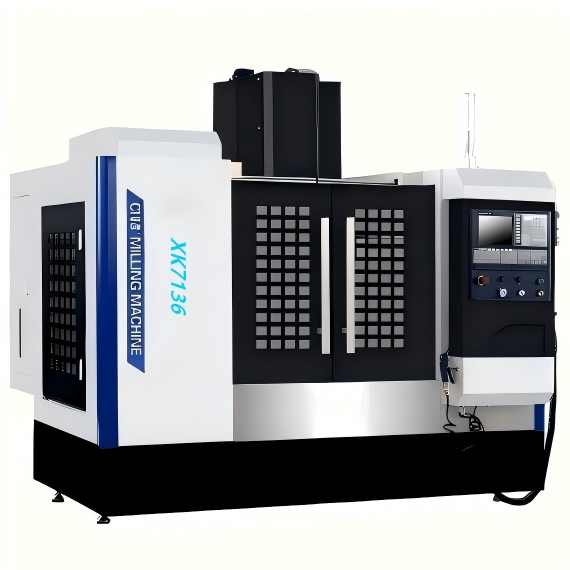
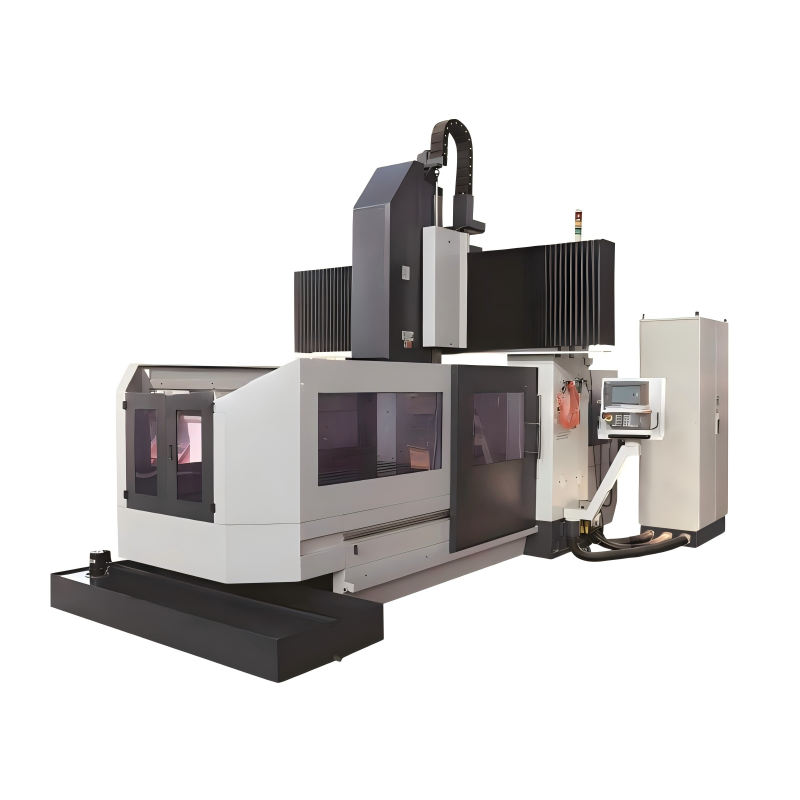
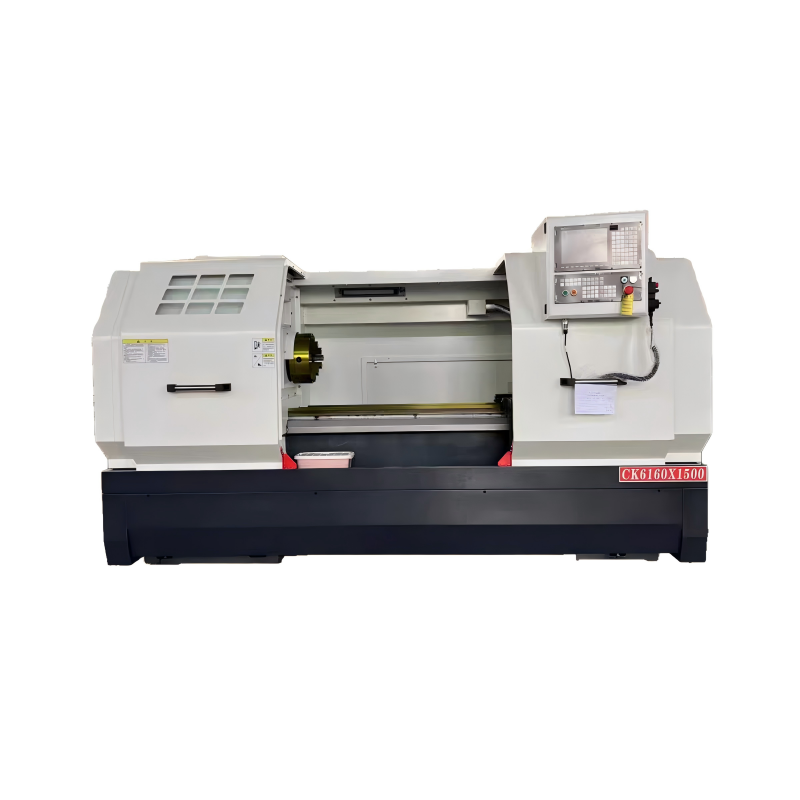
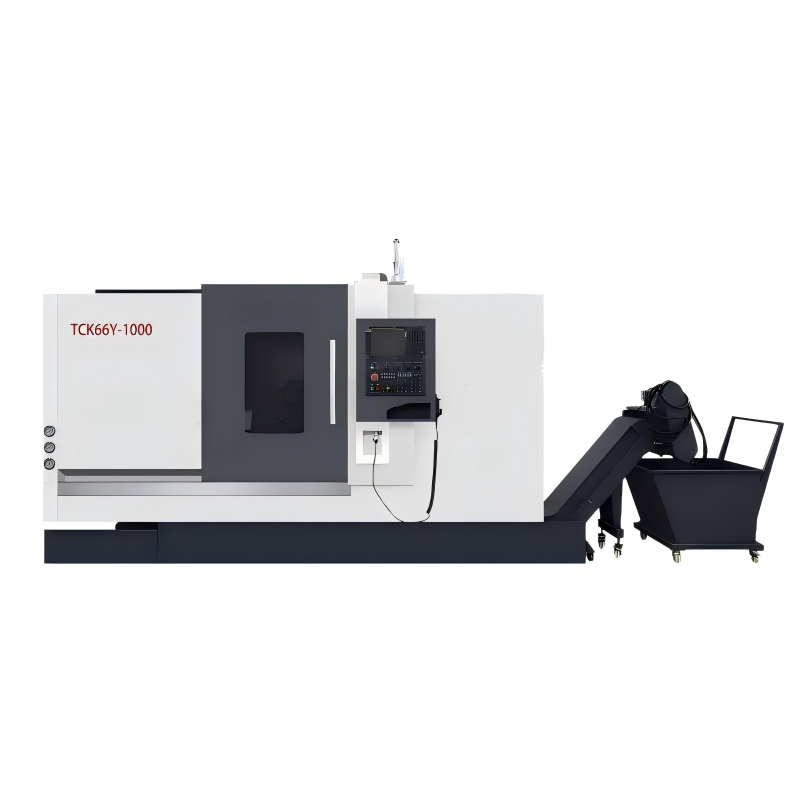
The aerospace industry is in a constant state of evolution, driven by the need for more efficient, precise, and cost-effective manufacturing processes. One technology that stands out in this context is the Turret Type VMC (Vertical Machining Center). This machine tool has become increasingly popular due to its versatility, precision, and ability to handle complex geometries, making it an ideal choice for the demanding requirements of the aerospace sector. In this report, we will explore how the Turret Type VMC is shaping the future of aerospace manufacturing.
Precision and accuracy are paramount in the aerospace industry, where even the slightest deviation can lead to catastrophic failures. The Turret Type VMC excels in this area, offering exceptional levels of precision through its advanced control systems and rigid construction. The turret design allows for multiple tools to be mounted, enabling rapid tool changes and reducing the time required for setup and machining. This not only enhances the overall efficiency of the manufacturing process but also ensures that the final components meet the stringent quality standards demanded by the aerospace industry.
Moreover, the Turret Type VMC's ability to perform multi-axis machining in a single setup minimizes the need for repositioning the workpiece, which is a common source of errors in traditional machining processes. This results in higher dimensional accuracy and surface finish, crucial for components such as aircraft engine parts, landing gear, and structural components.
In the competitive aerospace market, productivity and efficiency are key drivers of success. The Turret Type VMC offers significant advantages in these areas by streamlining the manufacturing process. The machine's ability to perform a wide range of operations, from drilling and milling to tapping and threading, in a single setup reduces the need for multiple machines and operators. This not only saves time but also reduces the overall production costs.
Additionally, the Turret Type VMC's high-speed spindles and powerful motors enable faster cutting speeds and feed rates, further enhancing productivity. The integration of advanced automation features, such as automatic tool changers and pallet changers, allows for continuous operation with minimal downtime. This is particularly beneficial in the aerospace industry, where large-scale production runs and tight deadlines are common.
The aerospace industry is characterized by a wide variety of components, each with unique geometries and material properties. The Turret Type VMC's flexibility and adaptability make it well-suited to handle this diversity. The turret design allows for the quick and easy exchange of tools, enabling the machine to switch between different operations seamlessly. This is especially useful when producing small batches of highly specialized components, as it reduces the need for extensive setup times and tooling costs.
Furthermore, the Turret Type VMC can be equipped with various accessories and attachments, such as rotary tables and probing systems, to expand its capabilities. These additional features allow the machine to handle complex and intricate parts, such as those found in aircraft engines and avionics. The ability to adapt to different materials, from aluminum and titanium to composites, makes the Turret Type VMC a versatile solution for the diverse needs of the aerospace industry.
The future of the Turret Type VMC in the aerospace industry is closely tied to the integration of advanced technologies. Modern Turret Type VMCs are equipped with sophisticated CNC (Computer Numerical Control) systems, which provide precise control over the machining process. These systems can be programmed to execute complex operations with high accuracy, ensuring consistent quality across all components.
Additionally, the integration of Industry 4.0 technologies, such as IoT (Internet of Things) and AI (Artificial Intelligence), is transforming the way Turret Type VMCs operate. IoT sensors can monitor the machine's performance in real-time, providing valuable data on tool wear, spindle temperature, and other critical parameters. This data can be used to predict maintenance needs and optimize the machining process, leading to increased uptime and reduced operational costs.
AI and machine learning algorithms can analyze this data to identify patterns and trends, enabling predictive maintenance and process optimization. For example, AI can detect subtle changes in the machining process that may indicate a potential issue, allowing for proactive intervention before a failure occurs. This not only improves the reliability of the Turret Type VMC but also enhances the overall efficiency of the manufacturing process.
The Turret Type VMC is poised to play a pivotal role in the future of aerospace manufacturing. Its enhanced precision and accuracy, increased productivity and efficiency, flexibility and adaptability, and integration of advanced technologies make it an indispensable tool for the industry. As the aerospace sector continues to evolve, the Turret Type VMC will remain at the forefront, driving innovation and excellence in the production of high-quality components.
By embracing the capabilities of the Turret Type VMC, manufacturers can stay ahead of the curve, meeting the ever-increasing demands of the aerospace industry while maintaining a competitive edge. The future looks bright for the Turret Type VMC, and its impact on the aerospace sector is set to be transformative.
 26/06/2026
The Turret Type VMC, or Vertical Machining Center, is a versatile and powerful machine tool that has revolutionized the manufacturing industry. This report aims to explore the key features of the Turret Type VMC and their impact on productivity, providing
Read More26/06/2026In the rapidly evolving landscape of manufacturing, the choice between a Turret Type VMC (Vertical Machining Center) and a traditional VMC can significantly impact production efficiency, precision, and overall cost. This comparative analysis delves into t
Read More26/06/2026Turret Type VMC (Vertical Machining Center) machines are essential tools in the manufacturing industry, known for their versatility and precision. However, to ensure these machines operate at peak efficiency, regular maintenance is crucial. This technical
Read More25/06/2026With the rapid advancement in manufacturing technologies, companies are constantly on the lookout for ways to improve their production efficiency without compromising on quality. One such solution that has gained significant traction is the Turret Type VM
Read More25/06/2026In the realm of high-speed machining, where precision and efficiency are paramount, the introduction of Turret Type VMC (Vertical Machining Center) has marked a significant advancement. This report delves into how the Turret Type VMC is transforming the m
Read More25/06/2026In the ever-evolving landscape of manufacturing, precision and efficiency are paramount. Turret Type VMC (Vertical Machining Center) technologies have emerged as a cornerstone in achieving these goals. This report delves into the advanced features and cap
Read More25/06/2026When it comes to selecting a Turret Type VMC (Vertical Machining Center), there are several key features that one should consider. These machines, known for their precision and versatility, serve a wide range of applications in the manufacturing industry.
Read More24/06/2026In the realm of modern manufacturing, the adoption of advanced machinery is crucial for enhancing productivity, precision, and overall efficiency. One such machine that has gained significant traction in recent years is the Turret Type VMC (Vertical Machi
Read More24/06/2026The manufacturing industry is continuously evolving, with new technologies and innovations being introduced to improve efficiency, accuracy, and productivity. One such area of development is the turret type VMC (Vertical Machining Center), which has seen
Read More24/06/2026IntroductionThe turret type VMC, or Vertical Machining Center, is a versatile and powerful tool in the realm of CNC (Computer Numerical Control) machining. This guide aims to provide beginners with a comprehensive understanding of the turret type VMC, fro
Read More24/06/2026The advent of turret type VMC (Vertical Machining Center) has significantly transformed the landscape of CNC operations, introducing a new era of efficiency and productivity. By integrating advanced features with traditional machining techniques, this tec
Read More23/06/2026The evolution of manufacturing technology has seen significant advancements, with turret type VMC (Vertical Machining Center) emerging as a pivotal player in precision machining. This report delves into the intricacies of turret type VMCs, exploring their
Read More23/06/2026The advancement of manufacturing technology has been a continuous process, with each generation building upon the innovations of the last. One such innovation that has significantly impacted the industry is the Turret Type VMC (Vertical Machining Center).
Read More23/06/2026In the realm of precision engineering, the selection and application of appropriate machinery play a critical role in achieving high accuracy and efficiency. One such machine that has gained significant attention for its versatility and precision is the T
Read More23/06/2026In the rapidly evolving world of manufacturing, the Turret Type VMC (Vertical Machining Center) has emerged as a versatile and efficient solution for modern machining needs. This type of machine combines the precision and flexibility required in today’s c
Read MoreOur professional sales team is always ready to assist you.