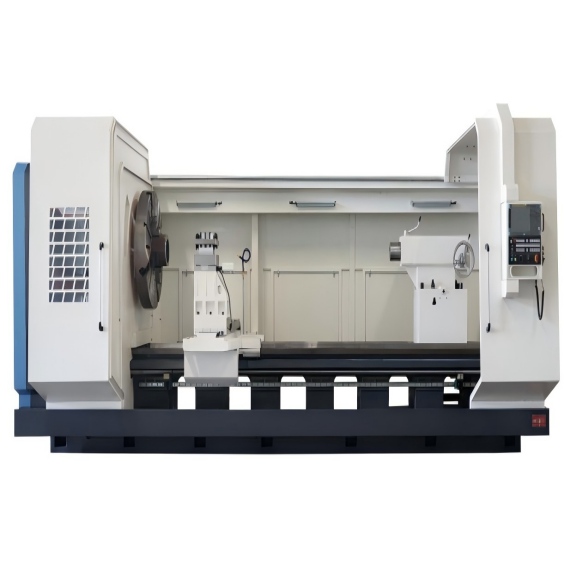
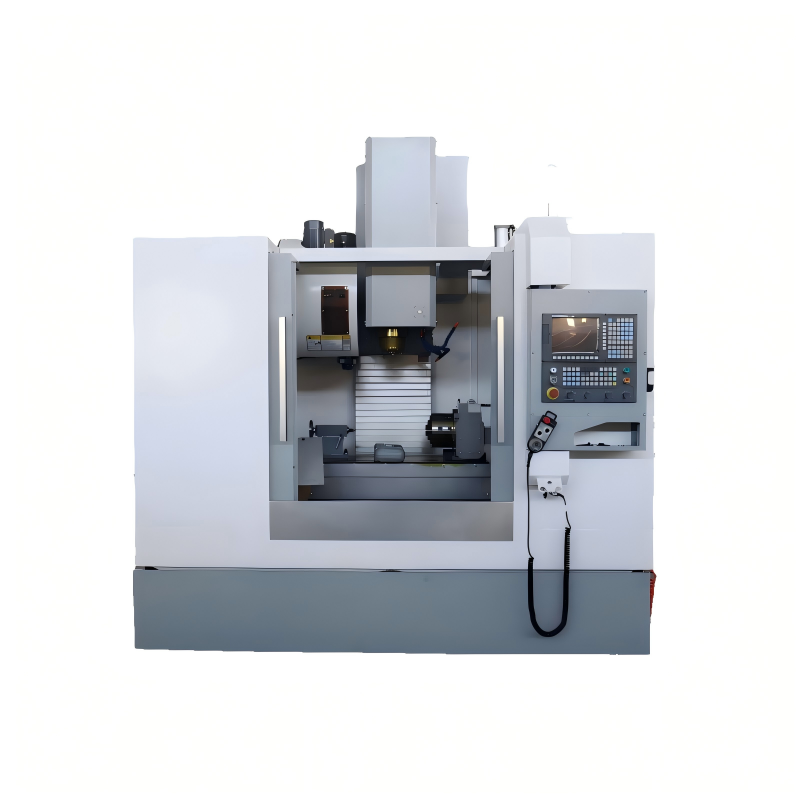
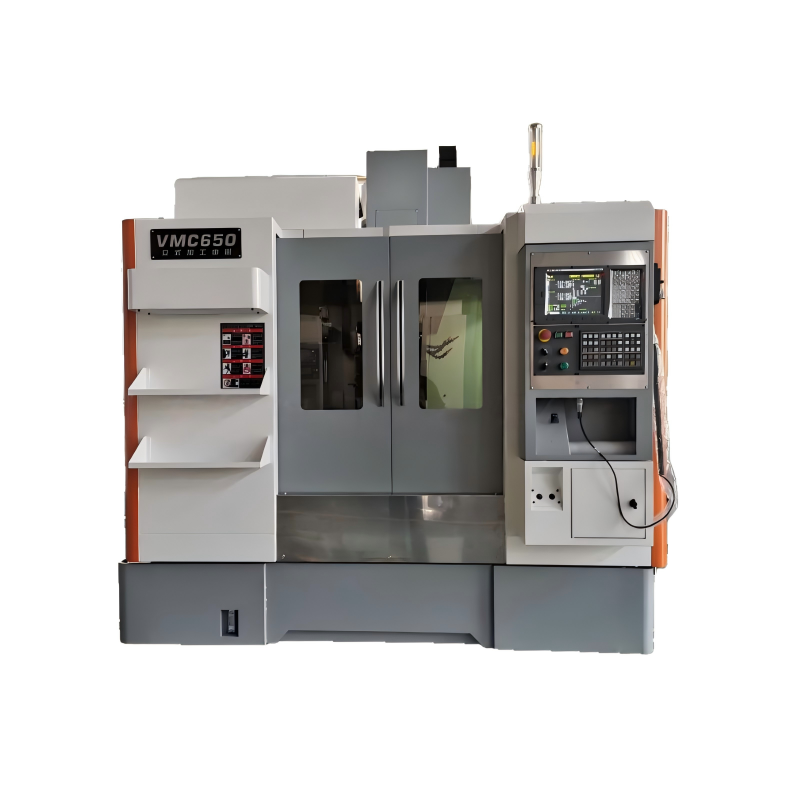
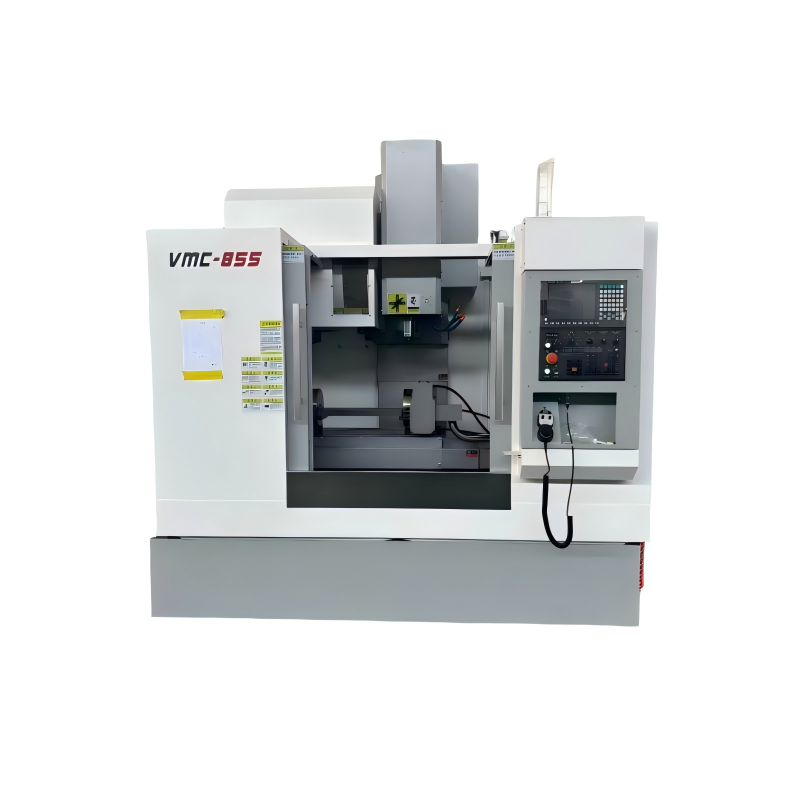
A 5 axis Vertical Machining Center is a sophisticated piece of equipment designed to perform complex and precise operations on a wide range of materials. These machines are characterized by their ability to move along five different axes, allowing for intricate cutting and shaping processes that would be challenging or impossible with fewer axes. The extra two rotational axes (typically around the X and Y planes) enable the workpiece to be approached from virtually any direction, making this type of machine ideal for parts requiring high precision and complex geometries.
The versatility of a 5 Axis Vertical Machining Center lies in its capability to handle multiple tasks without the need for repositioning the part. This not only saves time but also reduces the potential for errors that can occur during manual adjustments. Moreover, these machines are equipped with advanced control systems, which further enhance their efficiency and accuracy. For manufacturers looking to increase productivity while maintaining high standards of quality, understanding the capabilities and limitations of a 5 axis vertical machining center is crucial.
Choosing the right 5 axis vertical machining center involves evaluating several key factors to ensure it meets your specific needs. One of the most important considerations is the size and weight capacity of the machine. It's essential to select a model capable of handling the largest and heaviest parts you plan to process. Additionally, the workspace dimensions should accommodate the maximum size of the components you will be working with, including enough clearance for tooling and clamping devices.
Another critical factor is the speed and power of the spindle. Depending on the material being machined and the desired finish, you may require a higher or lower RPM (revolutions per minute). A powerful spindle is necessary for tougher materials like stainless steel or titanium, whereas softer materials might benefit from a more moderate approach. The feed rate, which determines how quickly the tool moves through the material, should also be considered, as it directly impacts both the speed and surface finish of the final product.
Furthermore, the software and control system play a vital role in the operation of a 5 axis vertical machining center. Modern CNC (Computer Numerical Control) systems offer advanced programming capabilities, simulation features, and user-friendly interfaces, all of which contribute to increased productivity and reduced setup times. Compatibility with existing CAD/CAM (Computer-Aided Design/Computer-Aided Manufacturing) software is another important aspect, as it ensures seamless integration into your current workflow. Lastly, considering the after-sales support and maintenance services provided by the manufacturer can significantly impact the long-term reliability and cost-effectiveness of your investment.
When it comes to selecting a 5 axis vertical machining center, there are numerous advanced features and customization options available that can greatly enhance its performance and adaptability. One such feature is automatic tool changers, which allow for rapid switching between different tools without interrupting the machining process. This not only speeds up production but also minimizes downtime, leading to higher overall efficiency. Additionally, some models come equipped with probing systems, enabling real-time measurement and adjustment of the workpiece, ensuring consistent quality and reducing scrap rates.
For those working with particularly demanding applications, such as aerospace or medical device manufacturing, specialized features like coolant delivery systems and chip evacuation mechanisms become essential. Efficient cooling helps maintain optimal cutting conditions, prolonging tool life and improving surface finish, while effective chip management prevents clogging and ensures a clean working environment. Furthermore, certain 5 axis vertical machining centers offer modular configurations, allowing users to customize the machine according to their unique requirements. This flexibility can include adding additional axes, upgrading to higher-performance spindles, or integrating custom fixtures and accessories, thereby maximizing the machine's potential and return on investment.
In conclusion, when choosing a 5 axis vertical machining center, it's imperative to carefully assess your operational needs and consider the various features and customization options available. By doing so, you can select a machine that not only meets your current demands but also provides the scalability and adaptability needed to address future challenges. Investing in a well-equipped and properly configured 5 axis vertical machining center can lead to significant improvements in productivity, quality, and profitability, making it an invaluable asset for any modern manufacturing facility.
 26/06/2026
Understanding the Core Capabilities of 5 Axis Vertical Machining CentersThe advent of 5 axis vertical machining centers has revolutionized the manufacturing industry, offering unparalleled precision and flexibility in the production process. These machine
Read More26/06/2026Choosing the right 5 Axis Vertical Machining Center (VMC) for your specific manufacturing needs is a critical decision that can significantly impact productivity, efficiency, and overall business performance. With the increasing demand for complex and hig
Read More26/06/2026In the realm of advanced manufacturing, 5 Axis Vertical Machining Centers (VMCs) have emerged as a game-changing technology, revolutionizing the way complex parts are machined. This report delves into the benefits that these machines bring to production p
Read More25/06/2026In the rapidly evolving landscape of manufacturing, the advent of 5 Axis Vertical Machining Centers (VMCs) has marked a significant milestone. These advanced machines are not only transforming the way we approach precision engineering but also setting new
Read More25/06/2026Investing in a 5 Axis Vertical Machining Center (VMC) is a strategic decision that can significantly enhance the capabilities and efficiency of your manufacturing operations. This advanced piece of machinery offers unparalleled precision, flexibility, and
Read More25/06/2026In the realm of advanced manufacturing, 5 Axis Vertical Machining Centers (VMCs) have emerged as a game-changer, offering unparalleled precision and flexibility. These machines are not just an upgrade from their 3-axis counterparts; they represent a signi
Read More25/06/20265 Axis Vertical Machining Centers represent a significant advancement in the field of precision machining, offering capabilities that traditional 3-axis machines cannot match. These advanced tools are designed to handle complex geometries and high-precisi
Read More24/06/2026In the rapidly evolving world of manufacturing, precision and efficiency are paramount. The advent of 5 Axis Vertical Machining Centers (VMCs) has significantly enhanced these aspects, making them indispensable in modern industrial settings. This report e
Read More24/06/20265 Axis Vertical Machining Centers (VMCs) have revolutionized the manufacturing industry, offering unparalleled precision and flexibility in machining complex parts. This comprehensive guide aims to provide a detailed understanding of 5 Axis VMCs, their ap
Read More24/06/2026In the ever-evolving landscape of manufacturing, technological advancements play a crucial role in shaping the future. One such innovation that has been making waves is the 5 Axis Vertical Machining Center. This cutting-edge technology is not just another
Read More24/06/2026IntroductionThe 5 axis vertical machining center has revolutionized the manufacturing industry by offering unparalleled precision, efficiency, and versatility. This advanced piece of machinery is designed to handle complex geometries and multi-sided parts
Read More23/06/2026Introduction to 5 Axis Vertical Machining CentersThe 5 axis vertical machining center represents a significant advancement in the field of precision engineering. This technology enables complex parts and components to be manufactured with an unprecedented
Read More23/06/2026The advent of 5 Axis Vertical Machining Centers (VMCs) has revolutionized the manufacturing industry, enabling complex and precise machining operations that were once either impossible or highly inefficient. These advanced machines are capable of performi
Read More23/06/2026In the ever-evolving landscape of manufacturing, the advent of 5 Axis Vertical Machining Centers (VMCs) has marked a significant shift towards more efficient and precise production processes. These advanced machines offer unparalleled flexibility and capa
Read More23/06/2026Introduction to 5 Axis Vertical Machining Centers The advent of the 5 axis vertical machining center has revolutionized the manufacturing industry, offering unparalleled precision and versatility. These advanced machines are designed to handle complex geo
Read MoreOur professional sales team is always ready to assist you.