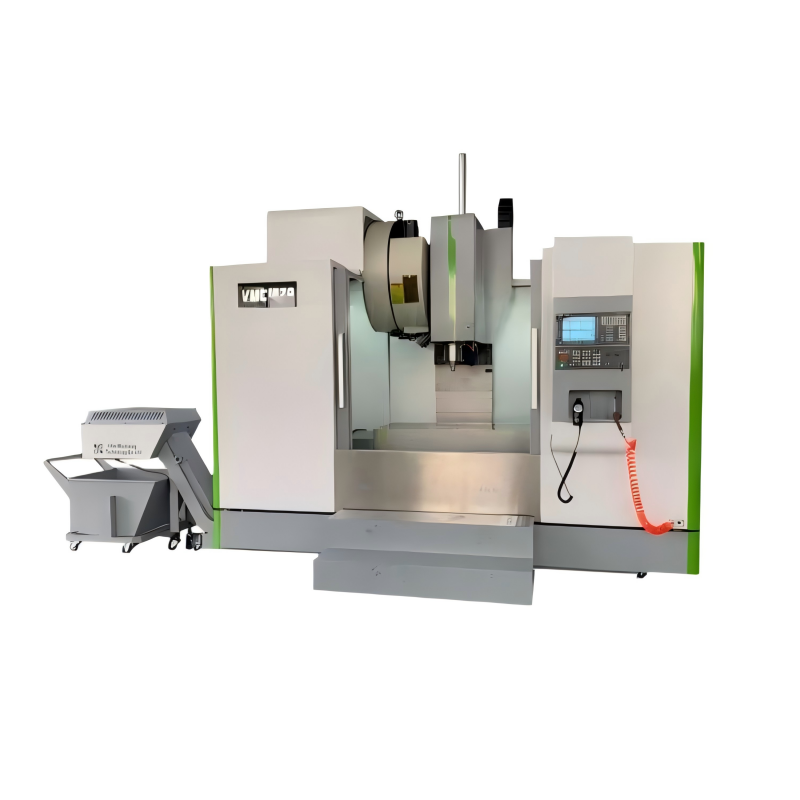
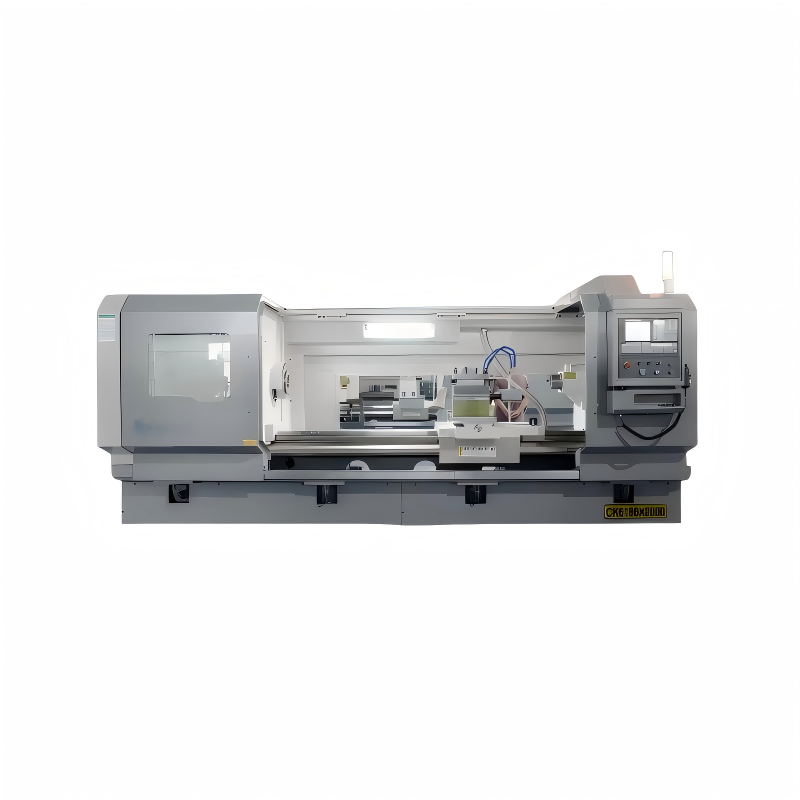
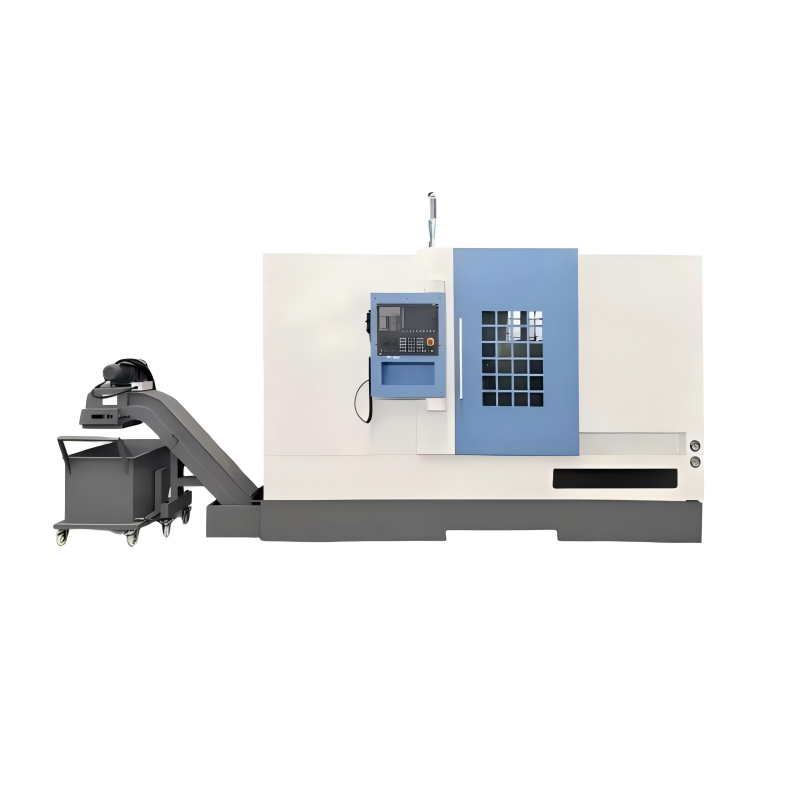
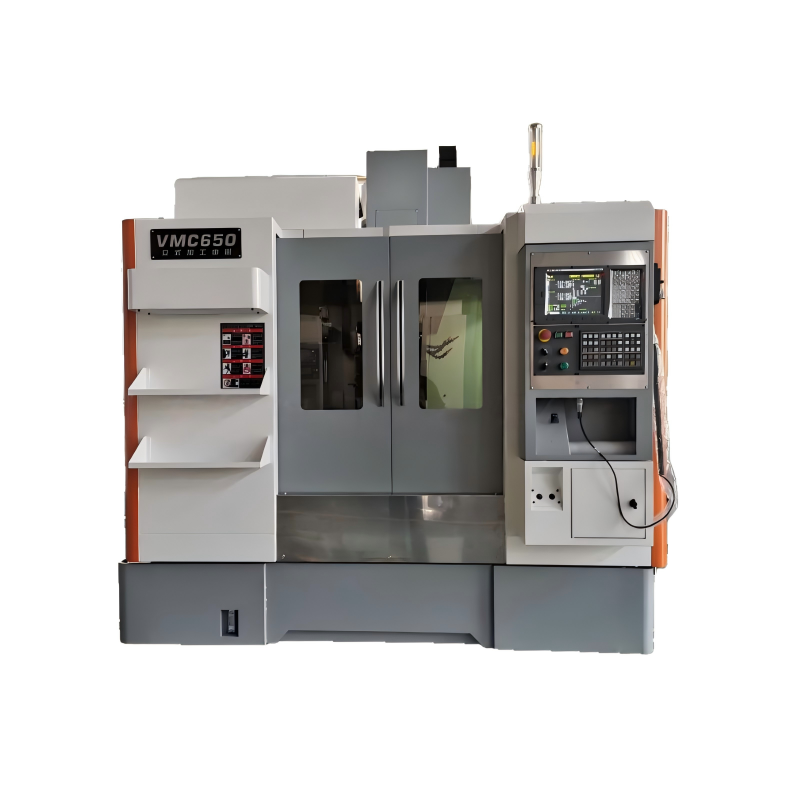
In the rapidly evolving landscape of manufacturing, the advent of 5 Axis Vertical Machining Centers (VMCs) has marked a significant milestone. These advanced machines are not only transforming the way we approach precision engineering but also setting new standards for efficiency and productivity. This report delves into the future of CNC with 5 Axis VMCs, exploring their capabilities, benefits, and the transformative impact they have on the industry.
The 5 Axis VMC is a game-changer when it comes to achieving high levels of precision and complexity in manufacturing. Unlike traditional 3-axis machines, which are limited to movement along the X, Y, and Z axes, 5 Axis VMCs add two additional rotational axes, A and B. This additional flexibility allows for the machining of complex geometries and intricate parts that would be difficult or impossible to produce with conventional methods. The ability to manipulate the workpiece and tool in multiple directions simultaneously results in more accurate and efficient production, reducing the need for multiple setups and minimizing human error.
Moreover, 5 Axis VMCs can perform continuous cutting paths, which is particularly advantageous for applications requiring smooth, seamless surfaces. This capability is crucial in industries such as aerospace, where the quality and consistency of parts are paramount. By enabling the production of highly complex and precise components, 5 Axis VMCs are driving innovation and pushing the boundaries of what is possible in modern manufacturing.
One of the most compelling advantages of 5 Axis VMCs is their ability to significantly enhance efficiency and productivity. Traditional machining processes often require multiple setups and operations, leading to increased setup times, higher labor costs, and greater potential for errors. In contrast, 5 Axis VMCs can complete a wide range of tasks in a single setup, reducing the overall production time and streamlining the manufacturing process.
Additionally, these machines are equipped with advanced control systems and software that optimize tool paths and minimize unnecessary movements. This not only speeds up the machining process but also reduces wear and tear on the tools, extending their lifespan and lowering maintenance costs. The integration of automation and real-time monitoring further enhances the efficiency of 5 Axis VMCs, allowing for continuous operation and minimal downtime. As a result, manufacturers can achieve higher throughput and faster turnaround times, making them more competitive in the global market.
Another significant benefit of 5 Axis VMCs is their ability to reduce material waste and lower overall production costs. The precision and accuracy of these machines allow for the optimal use of raw materials, minimizing the amount of scrap generated during the machining process. This is particularly important in industries where materials are expensive or in short supply, such as in the aerospace and medical sectors.
Furthermore, the ability to perform multiple operations in a single setup means that less material is required to produce the same part compared to traditional methods. This not only saves on material costs but also reduces the environmental impact of manufacturing. The energy efficiency of 5 Axis VMCs, combined with their reduced material usage, makes them a more sustainable choice for manufacturers looking to minimize their carbon footprint and operate in an environmentally responsible manner.
The 5 Axis VMC is at the forefront of integrating advanced technologies that are shaping the future of manufacturing. One of the key advancements is the integration of Industry 4.0 technologies, such as the Internet of Things (IoT), artificial intelligence (AI), and machine learning. These technologies enable real-time data collection, analysis, and decision-making, leading to more intelligent and adaptive manufacturing processes.
For example, IoT sensors can monitor the performance of the machine and its components, providing valuable insights into operational efficiency and predictive maintenance. AI and machine learning algorithms can analyze this data to identify patterns and optimize the machining process, improving both quality and productivity. Additionally, the use of digital twins, virtual representations of physical machines, allows for simulation and testing of different scenarios, reducing the risk of errors and enhancing the design and manufacturing process.
These advanced technologies, when combined with the capabilities of 5 Axis VMCs, create a powerful and flexible manufacturing environment that is capable of meeting the demands of the future. As the industry continues to evolve, the integration of these technologies will play a critical role in driving innovation and maintaining a competitive edge.
The 5 Axis Vertical Machining Center is poised to revolutionize the manufacturing industry by offering unparalleled precision, efficiency, and cost savings. Its ability to handle complex geometries, reduce material waste, and integrate advanced technologies positions it as a key player in the future of CNC. As more manufacturers adopt these advanced machines, the industry will see significant improvements in productivity, sustainability, and overall competitiveness. The 5 Axis VMC is not just a tool; it is a gateway to the future of manufacturing, and its impact will be felt across a wide range of industries for years to come.
 25/06/2026
Investing in a 5 Axis Vertical Machining Center (VMC) is a strategic decision that can significantly enhance the capabilities and efficiency of your manufacturing operations. This advanced piece of machinery offers unparalleled precision, flexibility, and
Read More25/06/2026In the realm of advanced manufacturing, 5 Axis Vertical Machining Centers (VMCs) have emerged as a game-changer, offering unparalleled precision and flexibility. These machines are not just an upgrade from their 3-axis counterparts; they represent a signi
Read More25/06/20265 Axis Vertical Machining Centers represent a significant advancement in the field of precision machining, offering capabilities that traditional 3-axis machines cannot match. These advanced tools are designed to handle complex geometries and high-precisi
Read More24/06/2026In the rapidly evolving world of manufacturing, precision and efficiency are paramount. The advent of 5 Axis Vertical Machining Centers (VMCs) has significantly enhanced these aspects, making them indispensable in modern industrial settings. This report e
Read More24/06/20265 Axis Vertical Machining Centers (VMCs) have revolutionized the manufacturing industry, offering unparalleled precision and flexibility in machining complex parts. This comprehensive guide aims to provide a detailed understanding of 5 Axis VMCs, their ap
Read More24/06/2026In the ever-evolving landscape of manufacturing, technological advancements play a crucial role in shaping the future. One such innovation that has been making waves is the 5 Axis Vertical Machining Center. This cutting-edge technology is not just another
Read More24/06/2026IntroductionThe 5 axis vertical machining center has revolutionized the manufacturing industry by offering unparalleled precision, efficiency, and versatility. This advanced piece of machinery is designed to handle complex geometries and multi-sided parts
Read More23/06/2026Introduction to 5 Axis Vertical Machining CentersThe 5 axis vertical machining center represents a significant advancement in the field of precision engineering. This technology enables complex parts and components to be manufactured with an unprecedented
Read More23/06/2026The advent of 5 Axis Vertical Machining Centers (VMCs) has revolutionized the manufacturing industry, enabling complex and precise machining operations that were once either impossible or highly inefficient. These advanced machines are capable of performi
Read More23/06/2026In the ever-evolving landscape of manufacturing, the advent of 5 Axis Vertical Machining Centers (VMCs) has marked a significant shift towards more efficient and precise production processes. These advanced machines offer unparalleled flexibility and capa
Read More23/06/2026Introduction to 5 Axis Vertical Machining Centers The advent of the 5 axis vertical machining center has revolutionized the manufacturing industry, offering unparalleled precision and versatility. These advanced machines are designed to handle complex geo
Read MoreOur professional sales team is always ready to assist you.