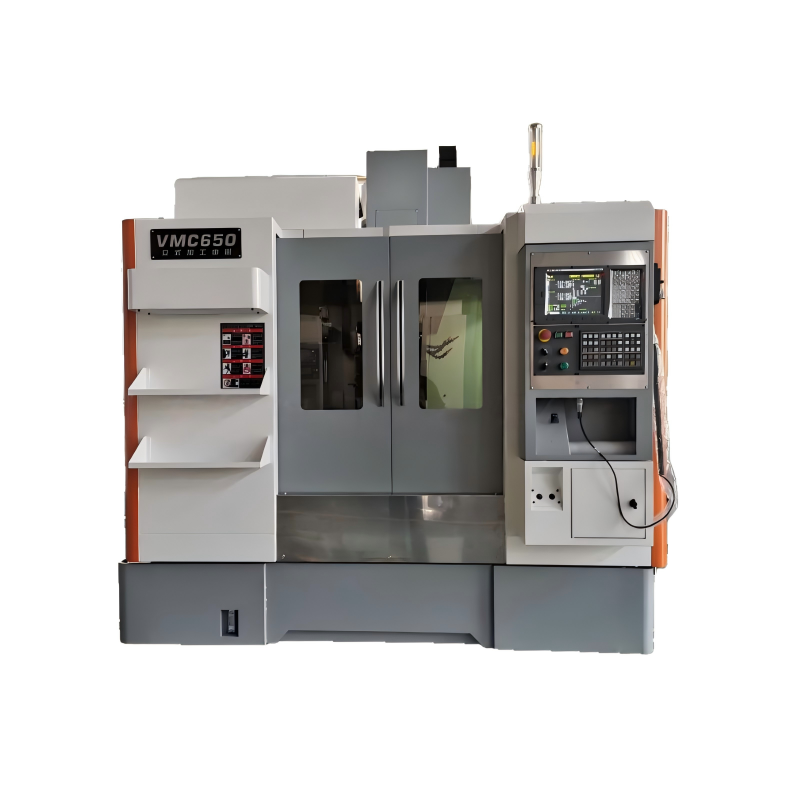
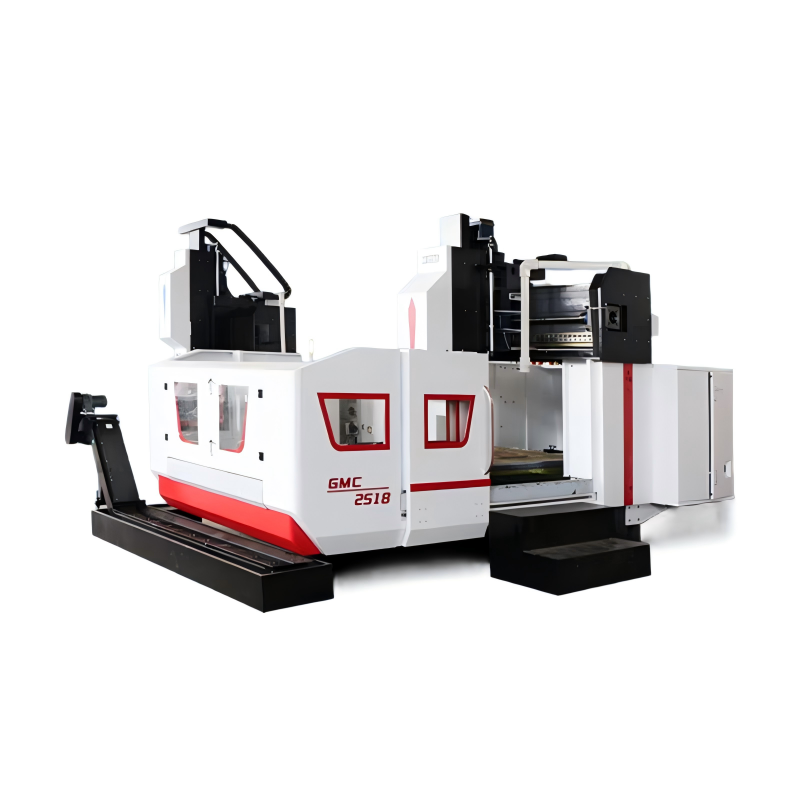
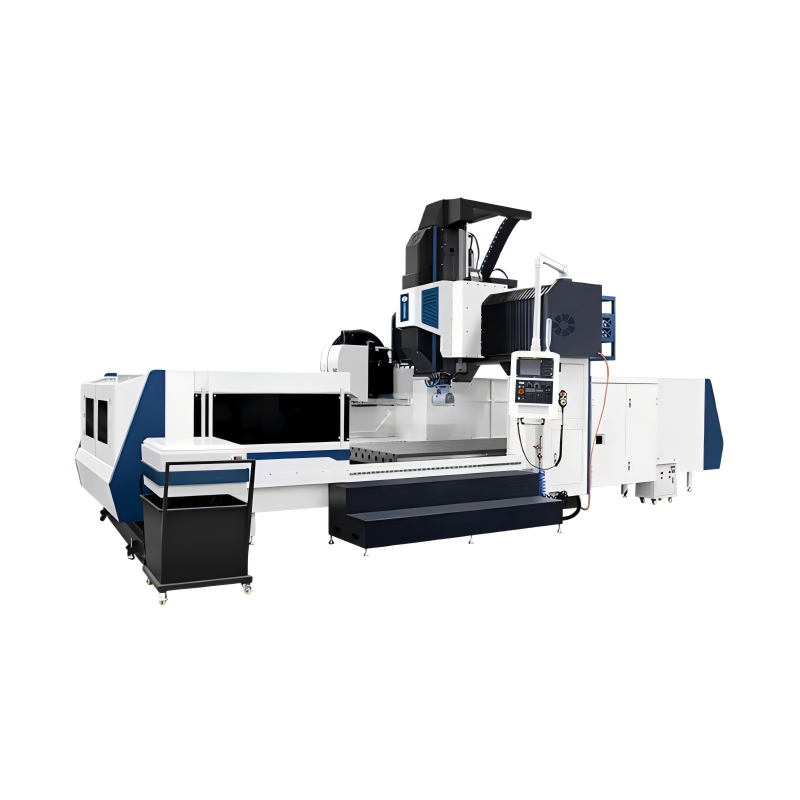
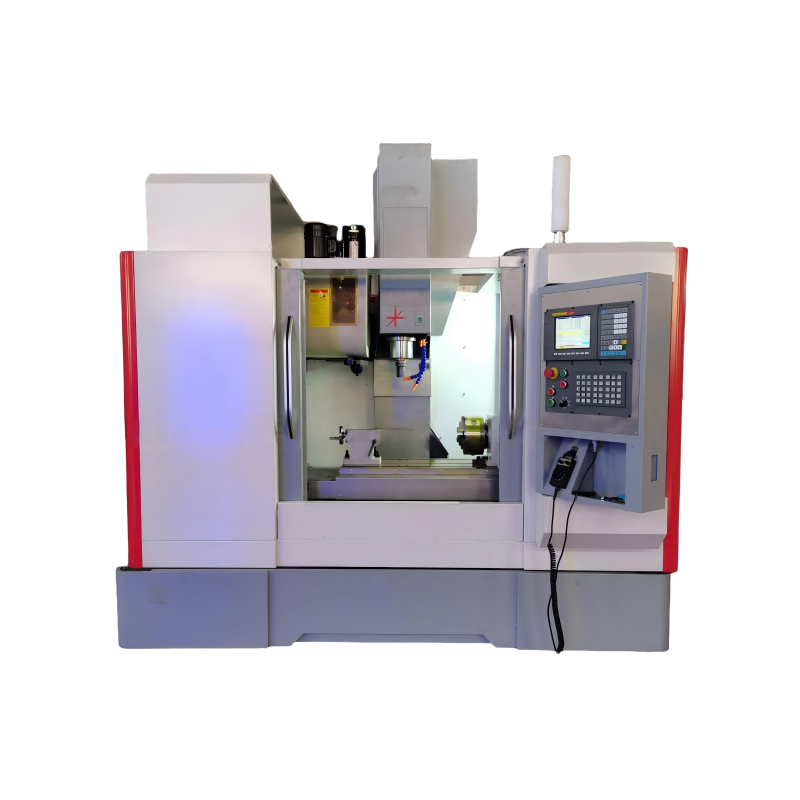
When it comes to enhancing the productivity and efficiency of a workshop, selecting the right vertical Machining Center (VMC) is crucial. This article will guide you through the process of choosing the perfect VMC for your specific needs, taking into account factors such as machinery export CNC lathe from China, and other key considerations.
A vertical machining center is a type of milling machine that has its spindle axis in a vertical orientation. This design allows for better access to the workpiece and provides a more stable platform for heavy-duty cutting operations. VMCs are widely used in various industries, including automotive, aerospace, and manufacturing, due to their versatility and precision. When considering the export of CNC Lathes from China, it's essential to understand how these machines can complement or replace existing equipment in your workshop.
Before making a decision on which VMC to purchase, it’s important to evaluate your workshop’s specific requirements. Consider the following factors:
By thoroughly assessing these factors, you can narrow down your options and select a VMC that best meets your operational needs.
When evaluating different VMC models, there are several key features to consider:
These features collectively contribute to the overall performance and efficiency of the VMC, making them critical considerations in your selection process.
China has become a significant player in the global market for CNC machinery, including VMCs. Many Chinese manufacturers offer high-quality, cost-effective solutions that can compete with established brands. When considering the export of CNC lathes from China, it’s important to:
By carefully evaluating these aspects, you can make an informed decision when considering the export of CNC lathes from China.
Regular maintenance and reliable support are essential for the long-term performance of your VMC. Consider the following:
By prioritizing maintenance and support, you can maximize the uptime and productivity of your VMC.
Selecting the perfect vertical machining center for your workshop involves a thorough evaluation of your needs, careful consideration of key features, and a thoughtful assessment of the source, such as the export of CNC lathes from China. By following the guidelines outlined in this article, you can make an informed decision that will enhance the efficiency and productivity of your operations. Remember, the right VMC can be a valuable asset to your workshop, providing the precision, versatility, and reliability needed to meet your manufacturing goals.
 26/06/2026
Investing in the right machinery is crucial for any manufacturing business, especially when it comes to CNC lathes. China has become a leading exporter of high-quality CNC lathes, offering a wide range of options that can significantly enhance productivit
Read More26/06/2026In the ever-evolving landscape of manufacturing, the integration of advanced technologies has become a cornerstone for enhancing productivity and efficiency. One such technology that stands out is the CNC (Computer Numerical Control) machining center, whi
Read More24/06/2026Introduction to China's CNC Lathe IndustryThe machinery export sector, particularly in the field of CNC lathe from China, has seen significant growth and innovation over the past few decades. This development is not only a testament to China’s rapid indus
Read More20/06/2026When it comes to machinery export, particularly CNC lathes from China, there are several key considerations that buyers and importers must take into account. The Chinese market is a significant player in the global manufacturing industry, offering a wide
Read More20/06/2026In the rapidly evolving landscape of modern manufacturing, the role of machinery export, particularly CNC lathes from China, has become increasingly significant. This report delves into the multifaceted impact of Chinese CNC lathes on global manufacturing
Read More20/06/2026In today's rapidly evolving manufacturing landscape, the demand for high-precision and efficient machinery is at an all-time high. One of the most sought-after pieces of equipment in this sector is the CNC (Computer Numerical Control) lathe. This article
Read More19/06/2026With the rapid development of manufacturing technology, machinery export from China, particularly in the field of CNC lathes, has become increasingly significant. These advanced machines are designed to meet the diverse and complex needs of modern industr
Read More19/06/2026Over the past few decades, China has emerged as a significant player in the global machinery export market, particularly in the production and distribution of CNC (Computer Numerical Control) lathes. The rise of Chinese CNC lathes has not only reshaped th
Read More19/06/2026Investing in a CNC lathe from China has become an increasingly popular choice for businesses around the world. The combination of advanced technology, competitive pricing, and high-quality manufacturing processes makes Chinese CNC lathes a compelling opti
Read More18/06/2026As the global market continues to expand, the demand for high-precision machinery, such as CNC lathes, has grown significantly. China, being one of the world's largest manufacturers and exporters of industrial equipment, plays a crucial role in this secto
Read More18/06/2026China has emerged as a global leader in the production and export of machinery, particularly in the field of CNC (Computer Numerical Control) lathes. These machines are essential for various industries, including automotive, aerospace, and manufacturing,
Read More18/06/2026As the global manufacturing industry continues to evolve, the demand for high-precision and cost-effective machinery is on the rise. One of the key players in this domain is China, which has become a leading exporter of CNC (Computer Numerical Control) la
Read More17/06/2026In recent years, the export of machinery, particularly CNC lathe from China, has seen a significant increase, transforming the global manufacturing landscape. This report delves into the impact of Chinese CNC lathes on the international market and how the
Read More17/06/2026IntroductionThe global market for machinery, particularly CNC lathes, has seen a significant surge in demand. As manufacturing processes become more sophisticated and the need for precision engineering grows, businesses are increasingly looking to China a
Read More17/06/2026The global machinery market has been experiencing a transformative phase, driven by advancements in technology and an increasing demand for precision. Among the key players in this evolution is China, which has emerged as a leading exporter of high-qualit
Read More16/06/2026When it comes to machinery export, particularly CNC lathe from China, the global market has seen a significant shift in recent years. Chinese manufacturers have become increasingly competitive, offering high-quality products at more affordable prices. Thi
Read More16/06/2026The manufacturing industry is undergoing a significant transformation, with advanced technologies such as CNC (Computer Numerical Control) lathes playing a crucial role in this evolution. China, as one of the world's leading manufacturers, has been at the
Read More16/06/2026When it comes to machinery export, especially the CNC lathe from China, making an informed decision is crucial. The Chinese market offers a wide array of options, each with its own set of features and capabilities. This article aims to guide you through t
Read More16/06/2026The global machinery market has seen significant transformations over the past few decades, with China emerging as a major player in the export of high-precision manufacturing equipment. One notable category within this sector is the CNC lathe, a machine
Read More16/06/2026Understanding the Advantages of CNC Lathes from ChinaThe global machinery export market has seen a significant increase in demand for CNC lathe machines, particularly those originating from China. Chinese manufacturers have been at the forefront of innova
Read More16/06/2026China has emerged as a leading player in the global machinery market, particularly with its CNC lathes. These advanced machines have gained significant traction due to their precision, efficiency, and cost-effectiveness. This report explores the advantage
Read More16/06/2026In today’s global manufacturing landscape, the importance of machinery export, especially CNC lathes from China, cannot be overstated. As industries around the world seek to enhance their production capabilities and efficiency, importing high-quality CNC
Read MoreOur professional sales team is always ready to assist you.