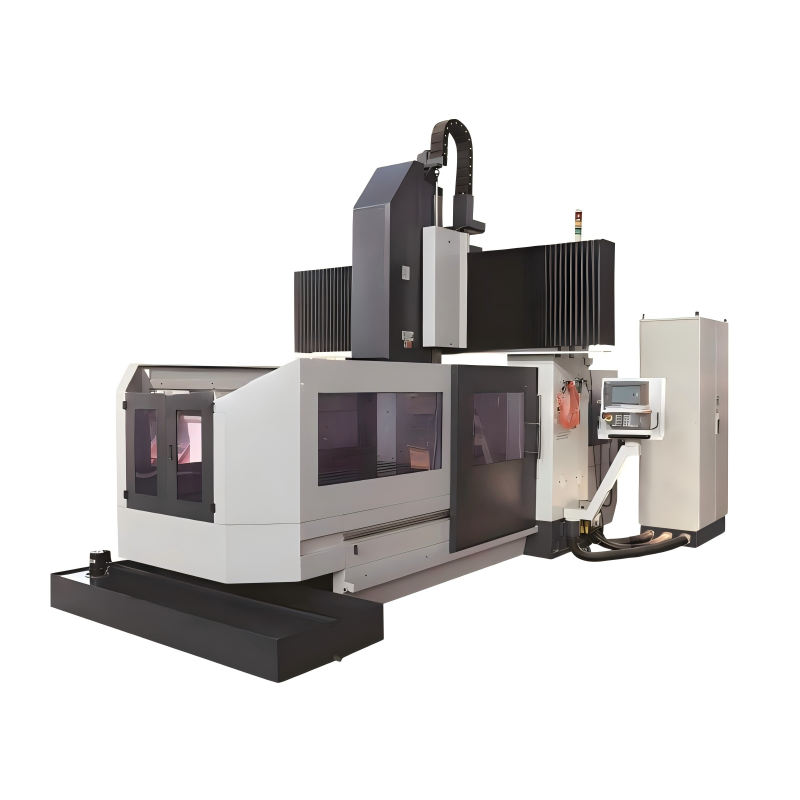
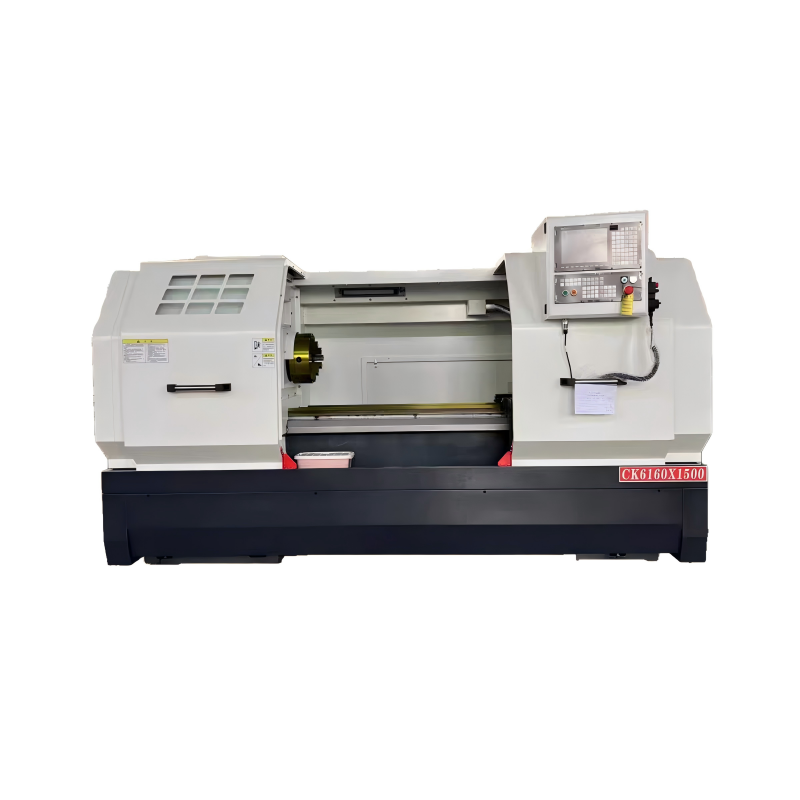
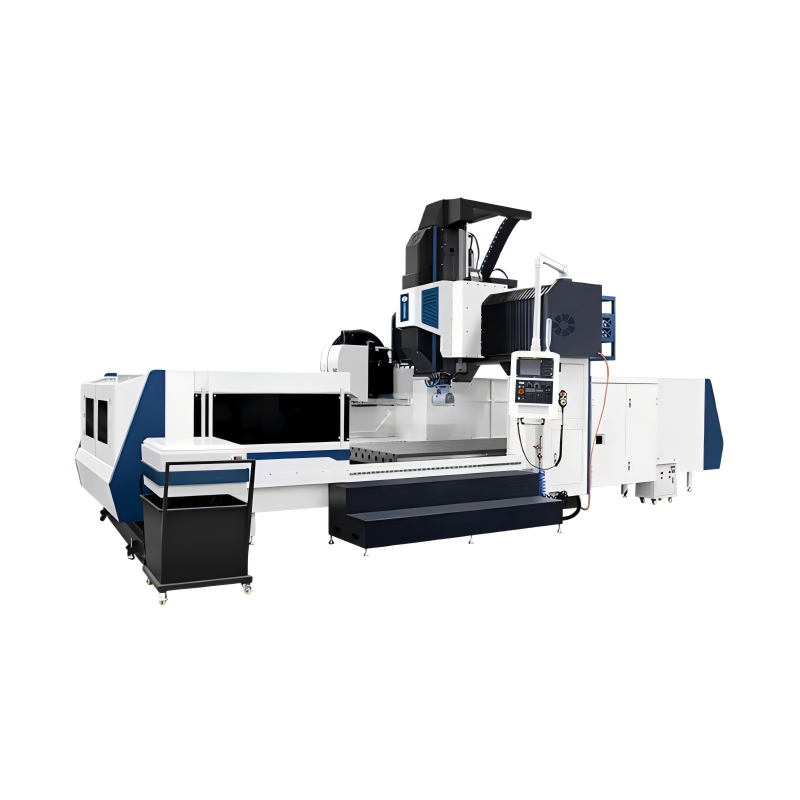
In the realm of large-scale manufacturing, the adoption of advanced technologies plays a pivotal role in enhancing productivity, precision, and efficiency. Among these technologies, the heavy-duty CNC work center stands out as a critical asset. This report will delve into the multifaceted contributions of heavy-duty CNC work centers to large-scale manufacturing, exploring their impact on production processes, cost-effectiveness, and overall industry standards.
One of the most significant advantages of using a heavy-duty CNC work center in large-scale manufacturing is the unparalleled level of precision and consistency it offers. These machines are designed to handle complex and high-precision tasks with minimal human intervention. The computerized control system ensures that every operation is executed with exactness, reducing the likelihood of errors and rework. This precision is particularly crucial in industries such as aerospace, automotive, and medical device manufacturing, where even the slightest deviation can have severe consequences.
Moreover, the repeatability of operations in a heavy-duty CNC work center is exceptional. Once a program is set, the machine can produce identical parts consistently, regardless of the batch size. This capability is essential for maintaining quality standards and meeting stringent regulatory requirements. The ability to achieve such high levels of precision and consistency not only enhances the final product quality but also builds trust with customers and stakeholders.
Heavy-duty CNC work centers are engineered to maximize productivity and operational efficiency. These machines can perform multiple operations simultaneously, such as milling, drilling, and turning, without the need for manual setup changes. This multi-tasking capability significantly reduces the time required for each part, thereby increasing the overall throughput of the manufacturing process.
Furthermore, the automation features of heavy-duty CNC work centers minimize downtime and reduce the dependency on skilled labor. Operators can load and unload materials, and the machine can run continuously, often 24/7, with minimal supervision. This continuous operation leads to a higher volume of output and a faster return on investment. Additionally, the integration of advanced software and monitoring systems allows for real-time tracking and optimization of the production process, ensuring that any issues are identified and resolved promptly.
While the initial investment in a heavy-duty CNC work center may be substantial, the long-term benefits in terms of cost savings are considerable. These machines are built to last, with robust construction and durable components that ensure longevity and reliability. The reduced need for manual labor, combined with the high efficiency and low error rates, translates into lower operational costs over time.
Additionally, the ability to produce high-quality parts with minimal waste contributes to cost savings. The precise cutting and machining capabilities of heavy-duty CNC work centers minimize material wastage, which is especially important when working with expensive or rare materials. The reduction in scrap and rework not only saves money but also aligns with sustainability goals, as it reduces the environmental impact of the manufacturing process.
Moreover, the flexibility of heavy-duty CNC work centers allows manufacturers to adapt to changing market demands quickly. These machines can be reprogrammed to produce different parts, enabling companies to diversify their product lines and respond to new opportunities without significant additional investments. This adaptability is a key factor in maintaining competitiveness and achieving long-term financial stability.
The heavy-duty CNC work center is not just a standalone machine; it is a sophisticated piece of equipment that can be integrated with other advanced technologies to create a smart manufacturing environment. For example, the integration of Internet of Things (IoT) sensors and data analytics enables predictive maintenance, where the machine's performance is continuously monitored, and potential issues are detected before they lead to breakdowns. This proactive approach minimizes downtime and extends the lifespan of the machine.
Additionally, the use of simulation software and virtual reality (VR) can enhance the programming and design process. Engineers can test and optimize the machining parameters in a virtual environment, reducing the need for physical prototypes and saving both time and resources. This digital twin technology also facilitates better collaboration among teams, as all stakeholders can access and review the virtual models in real-time.
Finally, the integration of artificial intelligence (AI) and machine learning (ML) algorithms can further optimize the performance of heavy-duty CNC work centers. These technologies can analyze large datasets to identify patterns and make data-driven decisions, leading to more efficient and effective production processes. For instance, AI can optimize tool paths, reduce cycle times, and improve energy consumption, contributing to a more sustainable and profitable manufacturing operation.
The role of heavy-duty CNC work centers in large-scale manufacturing is indispensable. These machines offer enhanced precision and consistency, increased productivity and efficiency, and significant cost savings. Furthermore, their advanced features and technological integration capabilities position them at the forefront of modern manufacturing. As the industry continues to evolve, the heavy-duty CNC work center will remain a cornerstone of innovation and excellence, driving the future of large-scale manufacturing.
 26/06/2026
As China continues to strengthen its position as a global manufacturing powerhouse, the export of CNC lathes from the country has become increasingly significant. This report delves into the intricacies of navigating the global market for CNC lathe export
Read More25/06/2026In today’s manufacturing landscape, the demand for precision and efficiency has never been higher. A heavy-duty CNC work center is at the heart of this evolution, particularly when it comes to high-rigidity horizontal machining centers. These machines are
Read More25/06/2026In the realm of precision machining, the choice of equipment plays a crucial role in determining the efficiency and quality of the output. A twin spindle horizontal CNC lathe from China has emerged as a preferred solution for many manufacturing operations
Read More24/06/2026The vertical machining center, a versatile tool in the world of manufacturing, has revolutionized how complex parts are produced. From aerospace components to medical devices, these machines offer unparalleled precision and efficiency. This report delves
Read More24/06/2026Heavy-duty CNC work centers play a pivotal role in the modern manufacturing landscape, serving as the cornerstone of industrial production. These advanced machines are designed to handle large, complex, and demanding tasks with precision and efficiency. T
Read More22/06/2026In today’s manufacturing landscape, the integration of advanced technologies has become a necessity for businesses aiming to stay competitive. One such technology that stands out is the heavy-duty CNC work center. This article explores how leveraging a he
Read More04/06/2026Introduction to Heavy-Duty CNC Work Centers In the modern manufacturing landscape, heavy-duty CNC work centers have become indispensable tools for producing high-precision components. These machines are designed to handle large and complex parts, making t
Read More03/06/2026IntroductionIn the realm of manufacturing, precision and efficiency are paramount. The integration of advanced technology into production processes has revolutionized how industries operate. One such innovation that stands out is the heavy-duty CNC work c
Read More02/06/2026IntroductionThe evolution of manufacturing technology has been a continuous journey, marked by the advent of new tools and techniques that push the boundaries of what is possible. Among these, heavy-duty CNC work centers have emerged as a cornerstone in t
Read More01/06/2026Understanding the Capabilities of a Heavy-Duty CNC Work Center A heavy-duty CNC work center is an indispensable tool in modern manufacturing, offering unparalleled precision and efficiency. This section will delve into the fundamental aspects that make th
Read More31/05/2026IntroductionA heavy-duty CNC work center is a critical piece of machinery in modern manufacturing, capable of producing complex parts with high precision and efficiency. However, to ensure optimal performance and longevity, regular maintenance is essentia
Read More30/05/2026IntroductionSelecting the appropriate heavy-duty CNC work center is a critical decision for any manufacturing business. A well-chosen CNC (Computer Numerical Control) system can significantly enhance productivity, reduce operational costs, and improve pro
Read More29/05/2026Innovations in Heavy-Duty CNC Work Center TechnologyAdvancements in Material Handling and Feeding SystemsAutomated Material LoadingThe integration of automated material loading systems within heavy-duty CNC work centers has significantly reduced setup tim
Read More28/05/2026IntroductionIn the realm of modern manufacturing, the heavy-duty CNC work center has emerged as a pivotal piece of equipment. This advanced machinery not only accelerates production processes but also enhances precision and efficiency. The integration of
Read More27/05/2026In the realm of manufacturing, a heavy-duty CNC work center stands out as an essential tool for achieving high precision and productivity. This report delves into strategies that can be employed to maximize efficiency with such advanced machinery, focusin
Read More26/05/2026IntroductionThe heavy-duty CNC work center stands as a pinnacle of modern manufacturing technology, embodying precision, efficiency, and versatility. This report delves into the capabilities of a heavy-duty CNC work center, exploring its advanced features
Read MoreOur professional sales team is always ready to assist you.