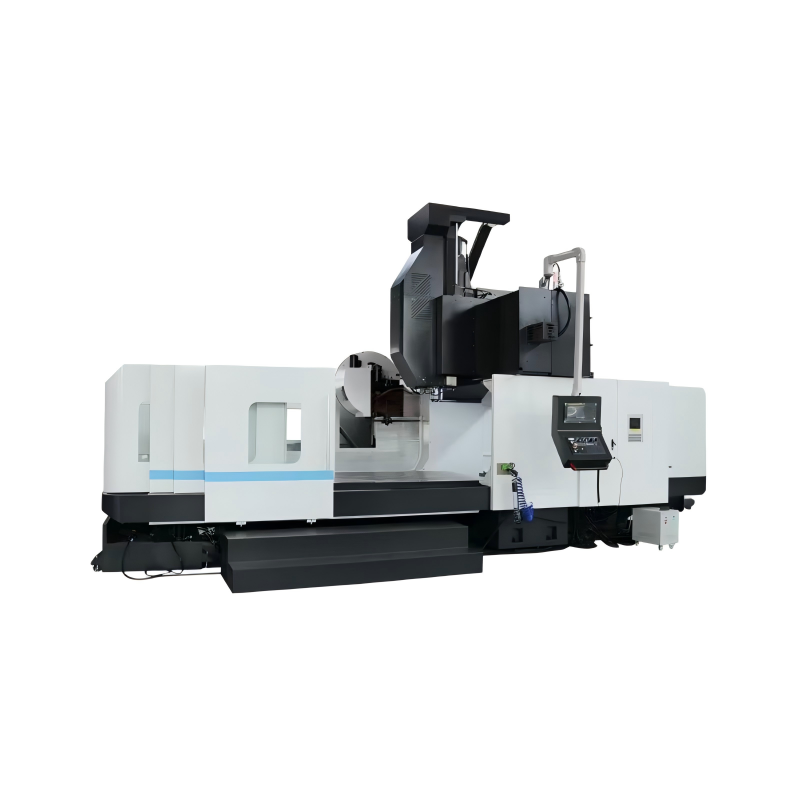
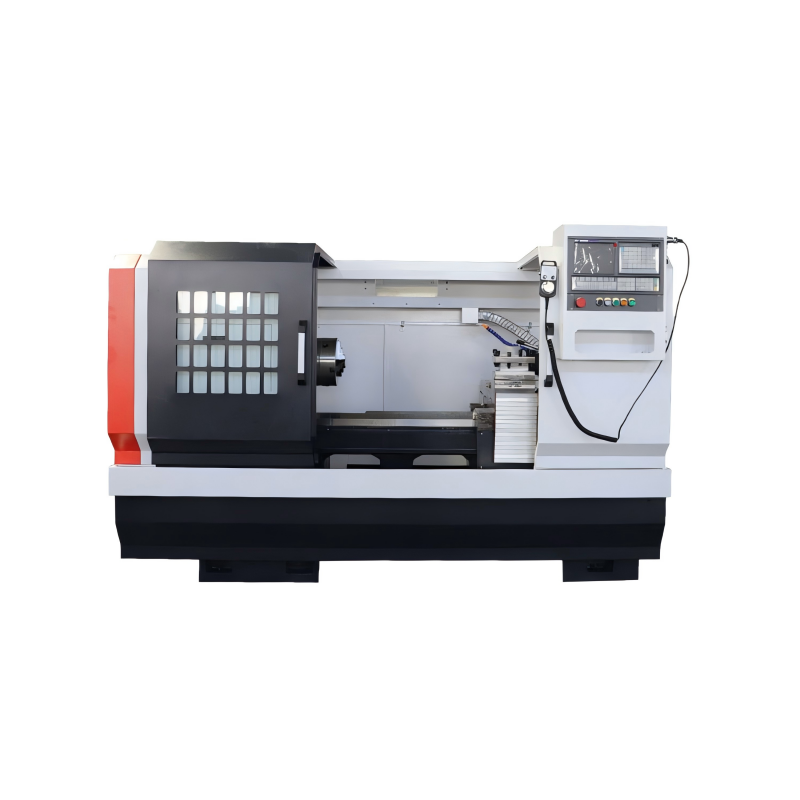
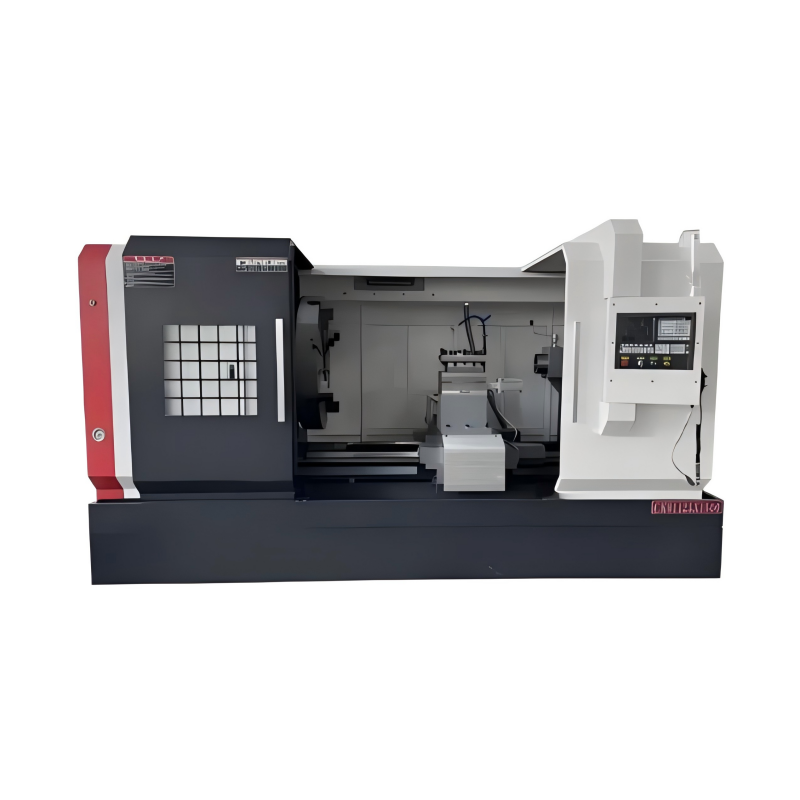
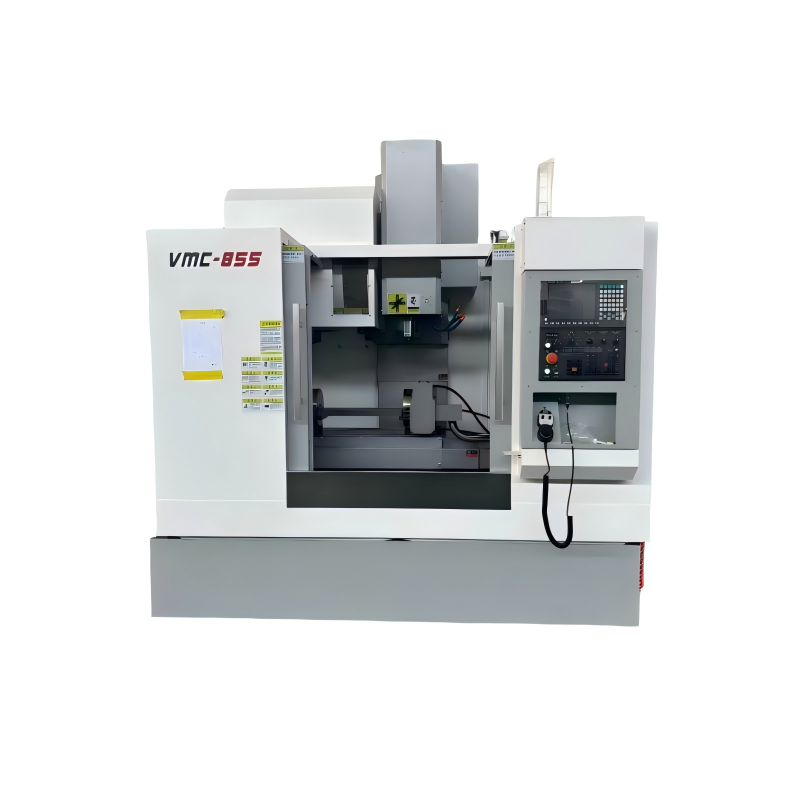
In the realm of precision engineering, the selection of an appropriate CNC turning machine is crucial for the success of any project. This decision not only affects the quality and efficiency of the work but also has a significant impact on cost-effectiveness and long-term maintenance. In this technical report, we will explore key factors to consider when choosing the right CNC Turning Machine for your specific needs.
A CNC (Computer Numerical Control) turning machine is a type of lathe that uses computerized controls to operate and manipulate cutting tools to produce precise parts. These machines are highly versatile, capable of handling a wide range of materials from metals to plastics, and they can perform various operations such as facing, threading, drilling, and grooving. The heart of a CNC turning machine lies in its control system, which translates digital instructions into mechanical movements, ensuring high accuracy and repeatability.
Before diving into the market to select a CNC turning machine, it’s essential to have a clear understanding of your project requirements. This includes identifying the types of materials you will be working with, the dimensions and tolerances of the parts, and the volume of production. For instance, if your project involves machining hard metals like titanium or stainless steel, you might need a more robust machine with higher horsepower and better cooling systems. On the other hand, if your project requires high-precision parts with tight tolerances, a machine with advanced control systems and fine-tuning capabilities would be more suitable.
Once you have a clear idea of your project requirements, the next step is to assess the specifications and capabilities of different CNC turning machines. Key parameters to consider include the maximum spindle speed, feed rates, and tool capacity. The spindle speed determines how fast the workpiece can rotate, which is critical for achieving the desired surface finish and cutting speeds. Feed rates, on the other hand, affect the material removal rate and the overall productivity of the machine. Additionally, the tool capacity, or the number of tools that the machine can hold, is important for complex operations that require multiple tools.
The software and user interface of a CNC turning machine play a vital role in its usability and efficiency. Modern CNC machines come with sophisticated software that allows for easy programming and simulation of the machining process. A user-friendly interface can significantly reduce the learning curve for operators and minimize errors. It’s also important to ensure that the machine’s software is compatible with your existing CAD/CAM systems, as this will streamline the workflow and improve data management. Some machines even offer advanced features like automatic tool change, part probing, and real-time monitoring, which can further enhance the machine’s performance and reliability.
When investing in a CNC turning machine, it’s crucial to think about the long-term aspects such as maintenance and support. Regular maintenance is essential to keep the machine in optimal condition and prevent unexpected downtime. Look for manufacturers that provide comprehensive service packages, including regular check-ups, spare parts availability, and technical support. Additionally, consider the availability of training programs and resources, as well-trained operators are key to maximizing the machine’s potential and ensuring consistent quality in your projects.
Choosing the right CNC turning machine for your project is a multifaceted decision that requires careful consideration of various factors. By understanding the basics of CNC turning machines, evaluating your project requirements, assessing machine specifications, considering the software and user interface, and thinking about long-term maintenance and support, you can make an informed choice that will meet your needs and contribute to the success of your projects.
 28/06/2026
The advent of CNC Turning Machines has marked a significant milestone in the manufacturing industry, transforming traditional methods with unprecedented precision and efficiency. This report delves into how these advanced machines are reshaping the sector
Read More27/06/2026In the realm of manufacturing, precision and efficiency are paramount. One of the most versatile and widely used machines in this field is the CNC Turning Machine. This article aims to provide a comprehensive understanding of what a CNC turning machine is
Read More26/06/2026The Evolution of CNC Turning Machines: A Technological LeapThe development of CNC (Computer Numerical Control) turning machines has marked a significant advancement in the manufacturing sector. Since their inception, these machines have undergone numerous
Read More25/06/2026The advent of CNC Turning Machine technology has revolutionized the manufacturing industry, offering unparalleled precision and efficiency in machining processes. This guide aims to provide a comprehensive overview of CNC turning machines, exploring their
Read MoreOur professional sales team is always ready to assist you.