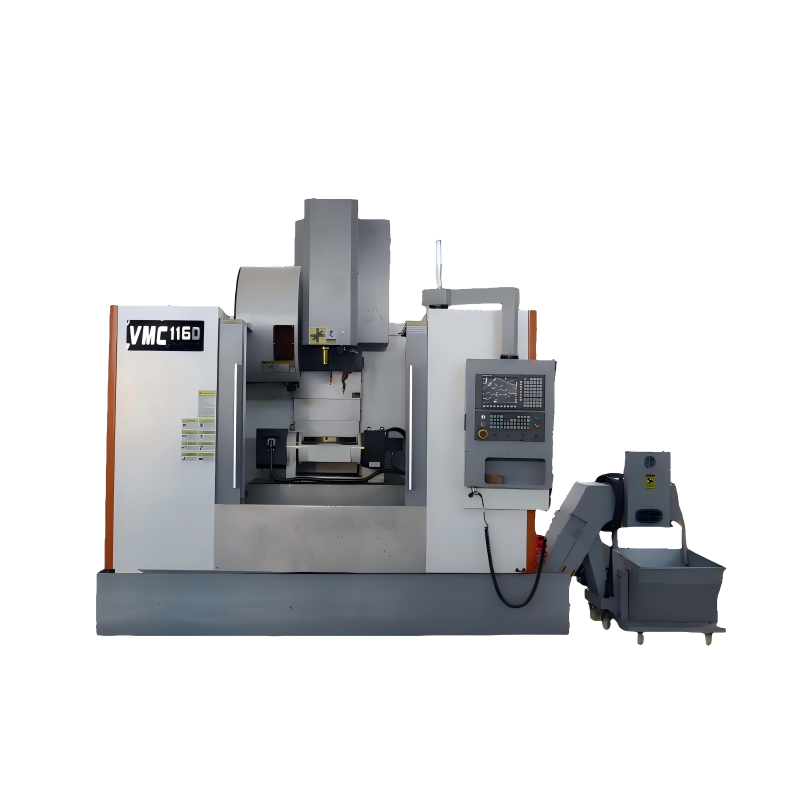
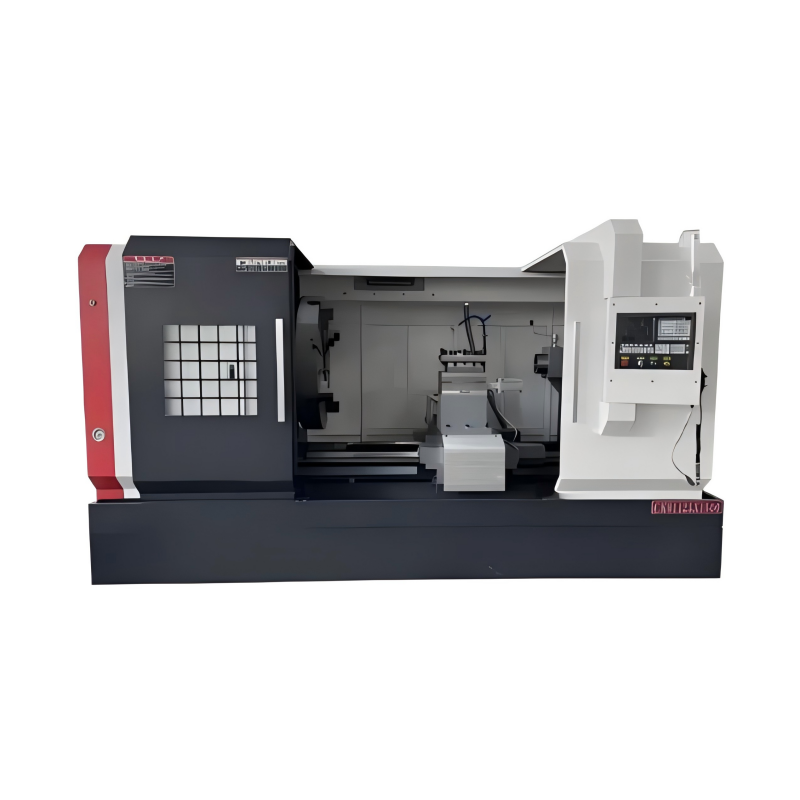
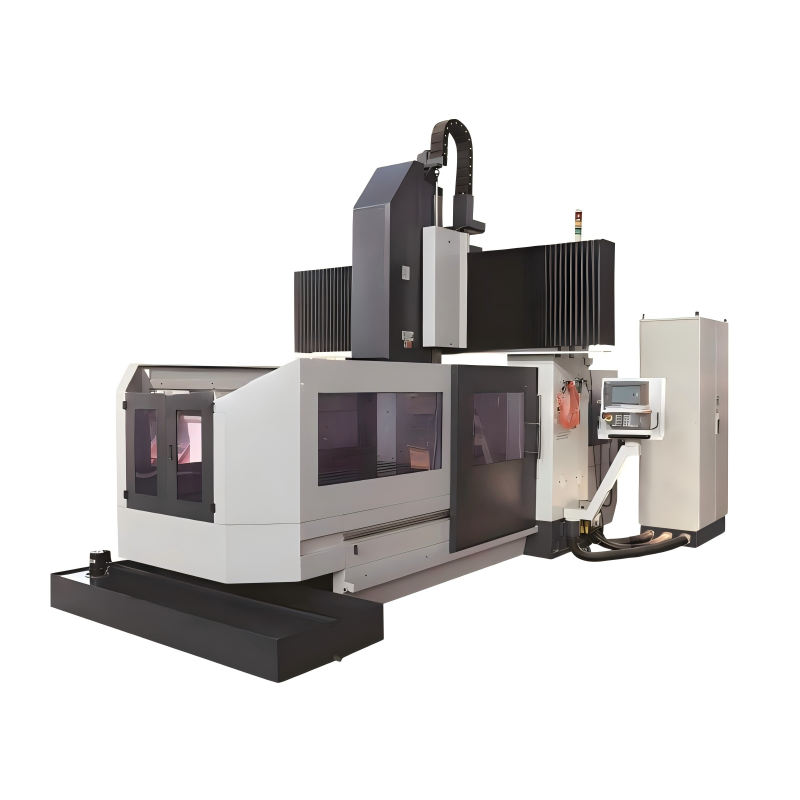
The advent of CNC Turning Machines has marked a significant milestone in the manufacturing industry, transforming traditional methods with unprecedented precision and efficiency. This report delves into how these advanced machines are reshaping the sector, highlighting key advancements and their implications for modern manufacturing.
One of the most notable contributions of CNC Turning Machines is the unparalleled level of precision they offer. Unlike manual lathes, which rely heavily on the skill and experience of the operator, CNC turning machines use computer-aided design (CAD) and computer-aided manufacturing (CAM) software to execute highly accurate and repeatable operations. This technology ensures that each part produced meets exact specifications, reducing the margin of error to near zero. The ability to maintain such high standards consistently is crucial in industries where even the slightest deviation can lead to catastrophic failures, such as aerospace and medical device manufacturing.
Moreover, the integration of advanced sensors and real-time monitoring systems in CNC turning machines allows for continuous feedback and adjustment during the machining process. This not only enhances the accuracy of the final product but also minimizes waste and reduces the need for post-processing. As a result, manufacturers can achieve higher yields and lower costs, making CNC turning machines an indispensable tool in today's competitive market.
Another significant advantage of CNC turning machines is their ability to boost productivity and efficiency. These machines can operate 24/7 without the need for breaks or rest, leading to a substantial increase in output. Additionally, the automation provided by CNC technology enables operators to manage multiple machines simultaneously, further enhancing overall productivity. This capability is particularly beneficial for large-scale production runs, where the volume of parts required can be enormous.
Furthermore, CNC turning machines are designed to handle complex geometries and intricate designs with ease. They can perform a wide range of operations, including turning, drilling, milling, and threading, all within a single setup. This versatility eliminates the need for multiple machines and setups, reducing both time and labor costs. The streamlined workflow and reduced downtime contribute to a more efficient manufacturing process, allowing companies to meet tight deadlines and respond quickly to market demands.
While the initial investment in CNC turning machines may be higher compared to traditional lathes, the long-term cost savings are substantial. The increased efficiency and reduced waste translate into lower operational costs over time. Additionally, the ability to produce high-quality parts with minimal defects means that fewer rework and scrap materials are generated, further reducing expenses.
Moreover, the maintenance and upkeep of CNC turning machines are generally more straightforward and less frequent than those of manual lathes. The robust design and advanced components used in these machines ensure a longer lifespan and reduced wear and tear. This longevity, combined with the lower likelihood of breakdowns, results in lower maintenance and repair costs, providing a significant return on investment over the machine's lifetime.
CNC turning machines offer a high degree of flexibility and adaptability, making them suitable for a wide range of applications. The ability to program and reprogram the machines quickly and easily allows manufacturers to switch between different products and designs with minimal downtime. This is particularly advantageous in industries where product lines frequently change or where there is a need for rapid prototyping and small-batch production.
Additionally, the integration of CNC turning machines with other manufacturing technologies, such as robotics and 3D printing, opens up new possibilities for innovation and customization. For example, combining CNC turning with additive manufacturing can enable the creation of hybrid parts that combine the strengths of both processes. This synergy allows for the production of highly specialized and customized components, meeting the unique requirements of various industries.
In conclusion, CNC turning machines are revolutionizing the manufacturing industry by offering enhanced precision, increased productivity, cost-effectiveness, and flexibility. These machines have become essential tools for modern manufacturers, enabling them to stay competitive in a rapidly evolving market. As technology continues to advance, the capabilities of CNC turning machines are likely to expand further, driving even greater innovations and improvements in the manufacturing sector.
 27/06/2026
In the realm of manufacturing, precision and efficiency are paramount. One of the most versatile and widely used machines in this field is the CNC Turning Machine. This article aims to provide a comprehensive understanding of what a CNC turning machine is
Read More26/06/2026The Evolution of CNC Turning Machines: A Technological LeapThe development of CNC (Computer Numerical Control) turning machines has marked a significant advancement in the manufacturing sector. Since their inception, these machines have undergone numerous
Read More25/06/2026The advent of CNC Turning Machine technology has revolutionized the manufacturing industry, offering unparalleled precision and efficiency in machining processes. This guide aims to provide a comprehensive overview of CNC turning machines, exploring their
Read MoreOur professional sales team is always ready to assist you.