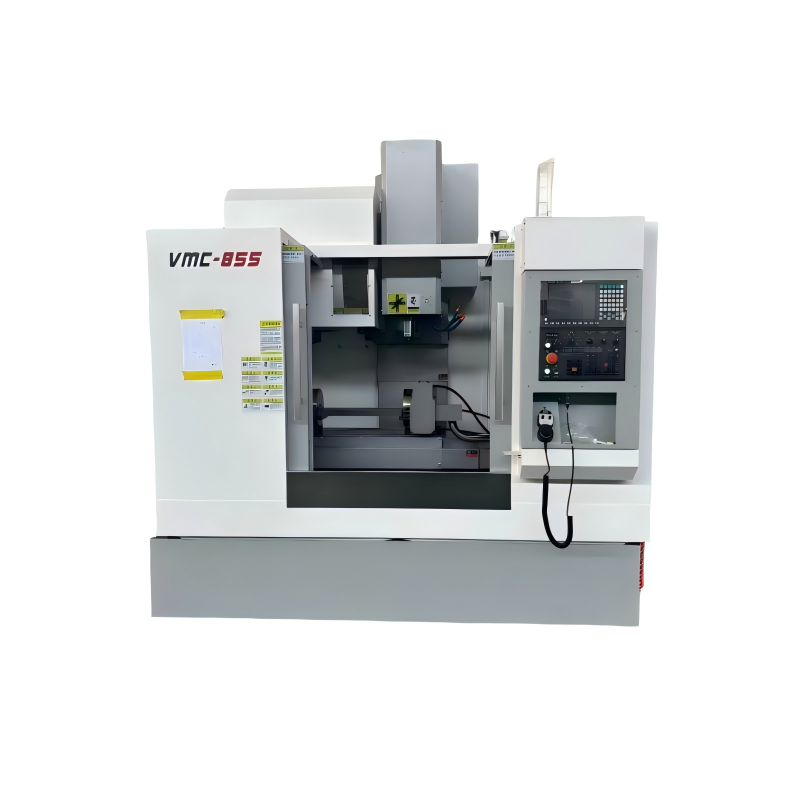
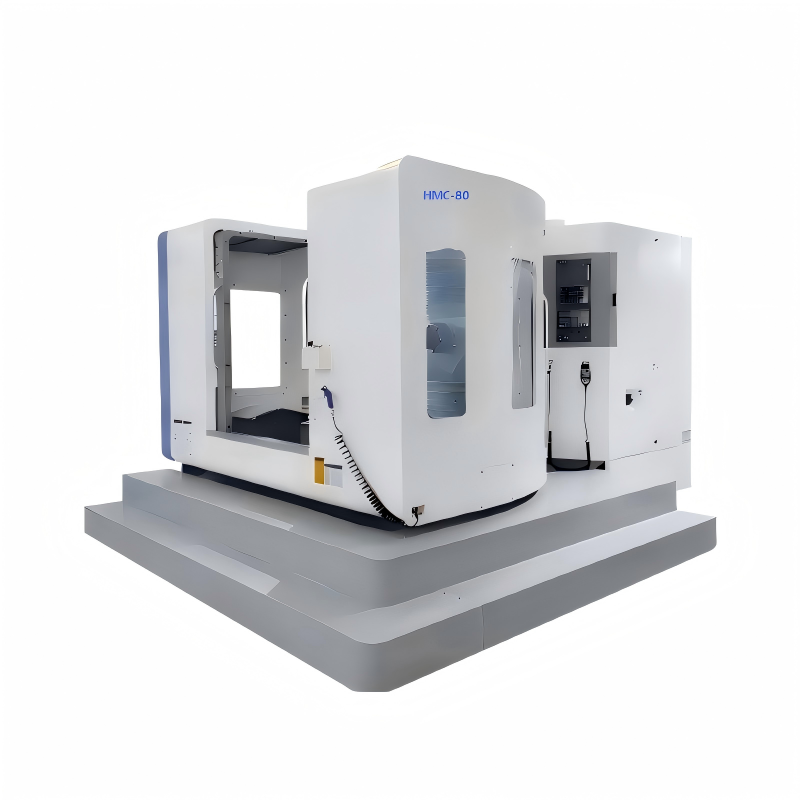
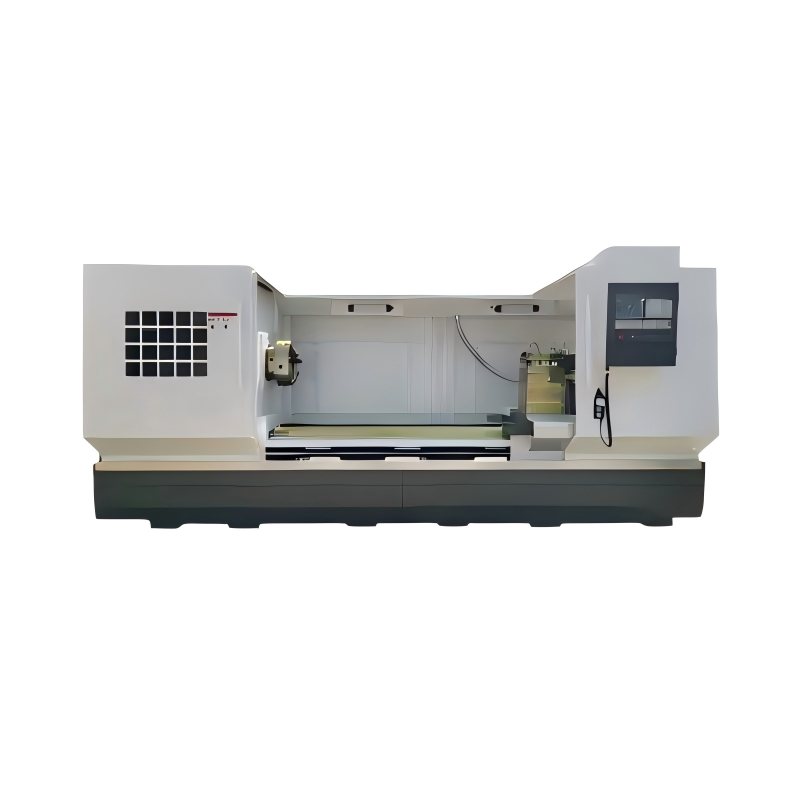
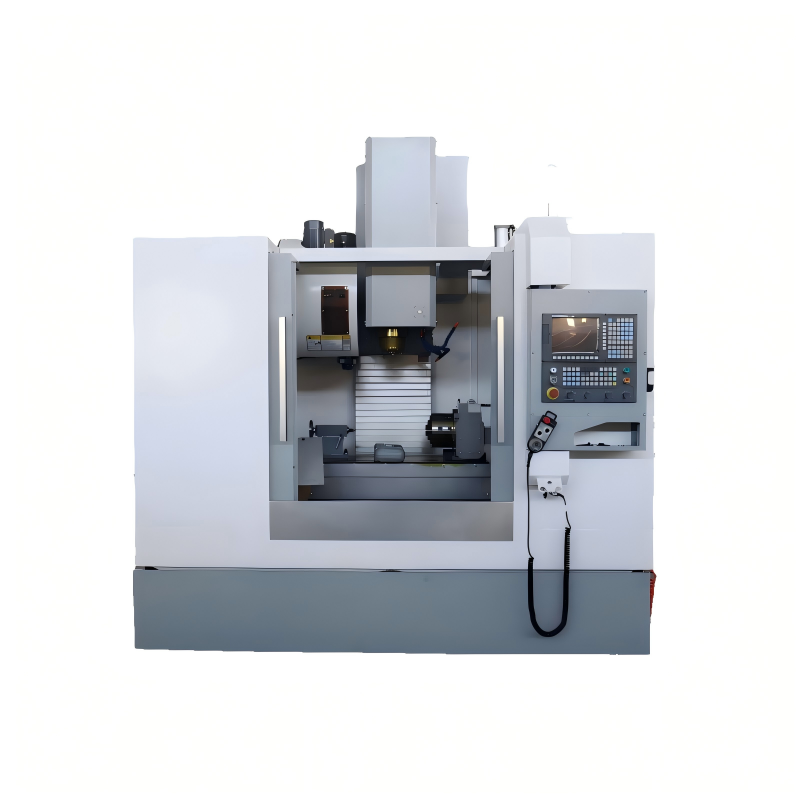
In today's fast-paced manufacturing environment, the quest for increased productivity and precision has led to significant advancements in machining technologies. One such innovation that stands out is the Horizontal CNC Lathe. These machines not only improve efficiency but also offer unparalleled accuracy, making them a cornerstone of modern industrial production. This report explores how advanced Horizontal CNC Lathe technologies are enhancing efficiency across various industries.
The integration of advanced automation features in Horizontal CNC Lathes has revolutionized the way parts are machined. These machines can operate at higher speeds while maintaining exceptional precision, thanks to their robust construction and state-of-the-art control systems. The use of high-speed spindles, coupled with rapid tool changers, allows for faster cycle times, which directly translates to increased production rates. Moreover, the ability to program complex operations and automate repetitive tasks reduces the need for manual intervention, further boosting efficiency.
Automation also extends to the loading and unloading of workpieces, a process that is often time-consuming when done manually. Automated loading systems, such as gantry robots or conveyor-based solutions, can be seamlessly integrated with Horizontal CNC Lathes, ensuring a continuous flow of materials. This not only speeds up the production process but also minimizes downtime, allowing for 24/7 operation if needed.
Precision is a critical factor in any manufacturing process, and Horizontal CNC Lathes excel in this area. These machines are equipped with advanced sensors and feedback systems that continuously monitor and adjust the machining parameters in real-time. This ensures that every part produced meets the highest standards of quality and consistency. Additionally, the use of multi-axis capabilities allows for the machining of complex geometries with tight tolerances, which would be difficult or impossible to achieve with traditional lathes.
Quality control is further enhanced by the integration of in-process inspection systems. These systems can perform measurements and checks during the machining process, identifying any deviations from the specified dimensions. By catching issues early, manufacturers can reduce scrap rates and rework, leading to significant cost savings. Furthermore, the data collected from these inspections can be used for continuous improvement, helping to fine-tune the machining process and maintain optimal performance over time.
One of the key advantages of Horizontal CNC Lathes is their flexibility and adaptability. These machines can handle a wide range of materials, from metals like steel and aluminum to more exotic alloys and even some non-metallic materials. This versatility makes them suitable for a variety of applications, from automotive and aerospace to medical and consumer goods manufacturing.
Additionally, the ability to quickly change tools and set up new jobs means that Horizontal CNC Lathes can easily switch between different production runs. This is particularly valuable in industries where there is a high demand for customization and small batch sizes. The use of modular tooling systems and quick-change fixtures further enhances this flexibility, allowing operators to reconfigure the machine for different tasks with minimal downtime.
Furthermore, the software that controls these machines is highly customizable, enabling manufacturers to tailor the machining process to specific requirements. This includes the ability to create and modify programs on the fly, as well as the integration of third-party software for specialized applications. The result is a highly adaptable system that can meet the evolving needs of modern manufacturing.
Maintenance is a critical aspect of any manufacturing operation, and Horizontal CNC Lathes are designed to minimize the need for it. These machines are built with durability in mind, using high-quality components and robust designs that can withstand the rigors of continuous operation. Regular maintenance is still necessary, but the advanced diagnostics and monitoring systems built into these machines make it easier to identify and address potential issues before they become serious problems.
For example, predictive maintenance systems can analyze data from various sensors to predict when components may fail, allowing for proactive replacement. This not only reduces the risk of unexpected breakdowns but also helps to optimize the maintenance schedule, ensuring that the machine is always operating at peak performance. Additionally, the use of lubrication systems and other automated maintenance features further reduces the workload on operators, freeing them to focus on other tasks.
By minimizing downtime, manufacturers can ensure that their production lines remain operational, meeting customer demands and maintaining a competitive edge. The reduced maintenance requirements of Horizontal CNC Lathes also contribute to lower overall operating costs, making them a cost-effective solution for long-term manufacturing needs.
The advent of Industry 4.0 has brought about a new era of connectivity and data-driven decision-making in manufacturing. Horizontal CNC Lathes are at the forefront of this transformation, with many models now featuring built-in connectivity options and support for Industry 4.0 standards. This includes the ability to connect to factory networks, exchange data with other machines and systems, and integrate with cloud-based platforms for remote monitoring and management.
The data generated by these machines can be used for a wide range of purposes, from optimizing production schedules to predicting maintenance needs and improving supply chain management. For example, real-time data on machine performance can be analyzed to identify bottlenecks and inefficiencies, allowing for targeted improvements. Similarly, the integration of machine learning algorithms can help to optimize tool paths and machining parameters, further enhancing efficiency and reducing waste.
Moreover, the ability to remotely monitor and control Horizontal CNC Lathes provides greater flexibility and responsiveness. Operators can access machine status, receive alerts, and make adjustments from anywhere, ensuring that production remains on track even when they are off-site. This level of connectivity and data visibility is essential for modern manufacturing, enabling companies to stay agile and responsive in a rapidly changing market.
In conclusion, advanced Horizontal CNC Lathe technologies are playing a crucial role in enhancing efficiency and productivity in manufacturing. Through improved machining speeds, enhanced precision, flexibility, reduced maintenance, and integration with Industry 4.0, these machines are setting new standards for performance and reliability. As the industry continues to evolve, the adoption of these advanced technologies will be key to staying competitive and meeting the growing demands of the global marketplace.
 27/06/2026
The automotive industry, known for its relentless pursuit of precision, efficiency, and innovation, has been significantly transformed by the integration of advanced manufacturing technologies. One such technology that plays a pivotal role in the producti
Read More26/06/2026Understanding the Basics of Horizontal CNC LathesThe evolution of machining technology has brought about significant advancements in precision and efficiency, with one notable development being the Horizontal CNC Lathe. This machine represents a pinnacle
Read More25/06/2026In the realm of modern manufacturing, the Horizontal CNC Lathe has emerged as a transformative technology, significantly enhancing productivity and precision. This report delves into the innovations that are shaping the future of manufacturing, focusing o
Read MoreOur professional sales team is always ready to assist you.