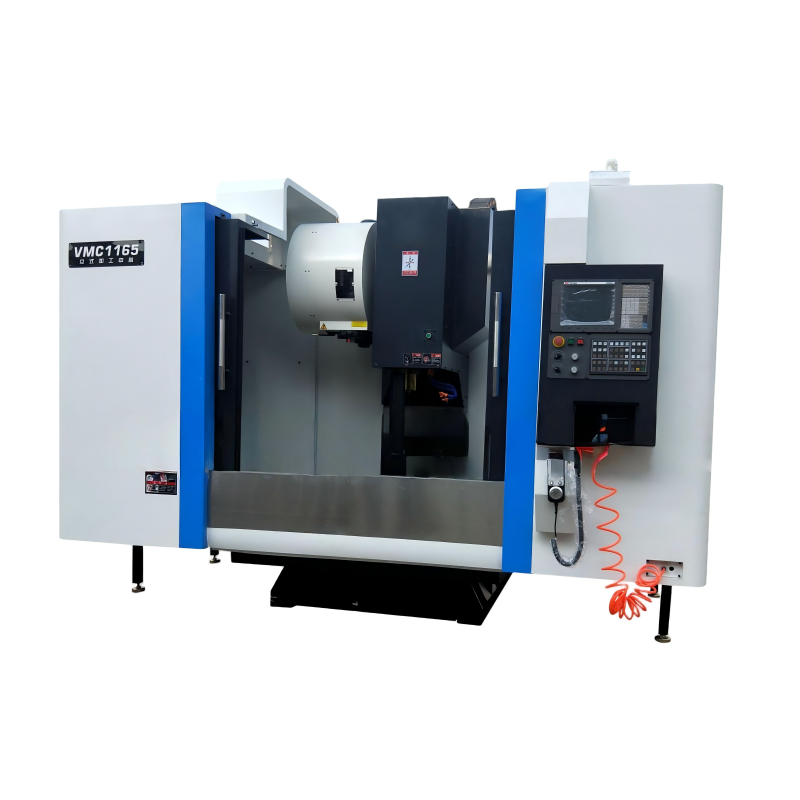
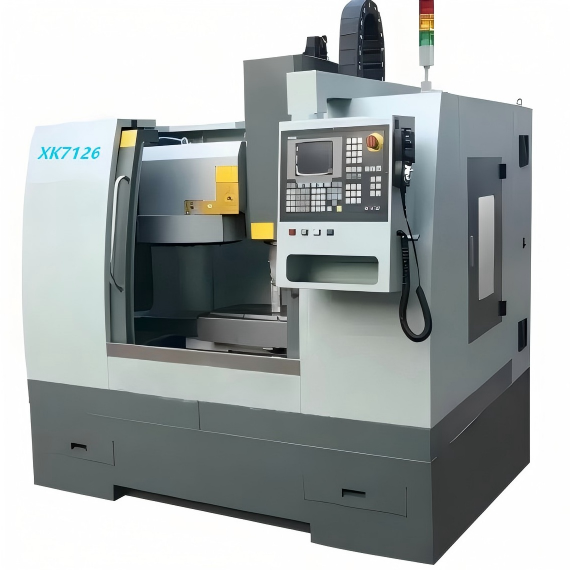
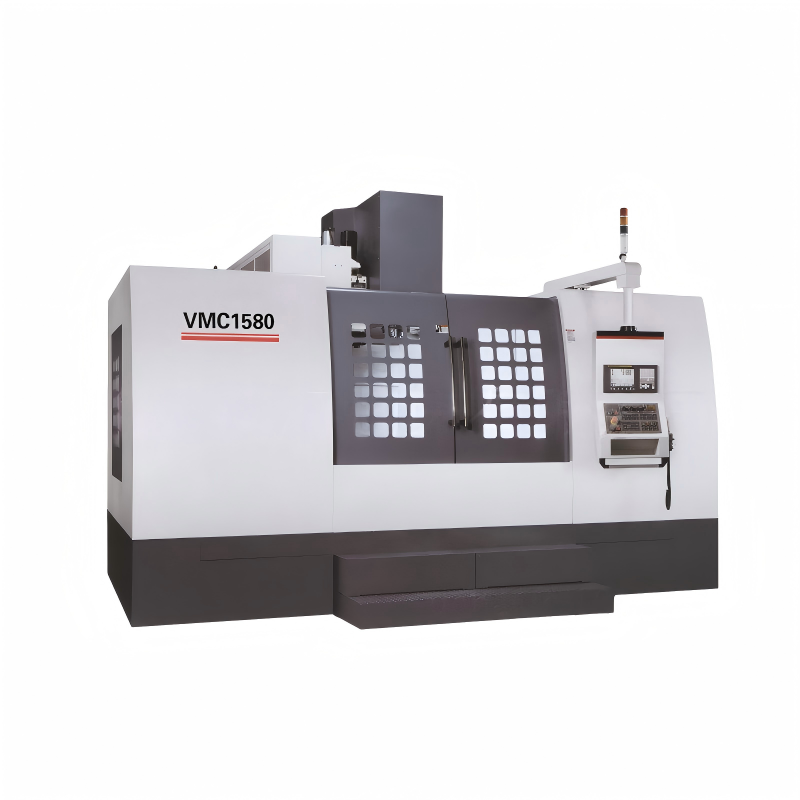
The automotive industry, known for its relentless pursuit of precision, efficiency, and innovation, has been significantly transformed by the integration of advanced manufacturing technologies. One such technology that plays a pivotal role in the production of automotive components is the Horizontal CNC Lathe. This report aims to explore the multifaceted contributions of Horizontal CNC Lathes to the automotive component manufacturing process, highlighting their unique advantages and the ways they enhance productivity and quality.
One of the most significant advantages of using a Horizontal CNC Lathe in automotive component production is the unparalleled level of precision and accuracy it offers. Unlike traditional lathes, which rely heavily on the skill and experience of the operator, Horizontal CNC Lathes are programmed to perform complex operations with micron-level accuracy. This capability is crucial in the automotive industry, where even the slightest deviation can lead to suboptimal performance or, worse, safety issues. The ability to consistently produce parts with high precision ensures that every component meets the stringent quality standards required for modern vehicles.
Moreover, the use of computer-aided design (CAD) and computer-aided manufacturing (CAM) software allows for the creation of highly detailed and accurate 3D models of the components. These models can be directly translated into machine instructions, ensuring that the final product matches the design specifications exactly. This integration of digital design and manufacturing processes not only enhances the accuracy of the components but also reduces the likelihood of human error, leading to a more reliable and consistent output.
Efficiency and productivity are critical factors in the competitive landscape of the automotive industry. Horizontal CNC Lathes play a vital role in optimizing these aspects by automating the machining process. These machines can operate continuously without the need for frequent operator intervention, allowing for 24/7 production. This continuous operation significantly increases the throughput of the manufacturing line, enabling companies to meet high-volume demands more effectively.
Additionally, Horizontal CNC Lathes are equipped with multiple tool stations, which allow for the simultaneous execution of various machining operations. This multi-tasking capability reduces the overall production time, as the machine can switch between different tools and operations seamlessly. Furthermore, the use of advanced control systems and sensors enables real-time monitoring and adjustment of the machining parameters, ensuring optimal performance and minimizing downtime due to errors or malfunctions.
Another key aspect of improving efficiency is the reduction of material waste. Horizontal CNC Lathes are designed to optimize the cutting paths and tool usage, thereby minimizing the amount of raw material wasted during the machining process. This not only leads to cost savings but also contributes to a more sustainable and environmentally friendly manufacturing process.
The versatility of Horizontal CNC Lathes is another factor that makes them indispensable in the automotive component production. These machines can handle a wide range of materials, from aluminum and steel to more exotic alloys and composites, making them suitable for a diverse array of applications. This flexibility allows manufacturers to adapt to changing market demands and technological advancements, ensuring that they can produce a variety of components with different properties and requirements.
Furthermore, Horizontal CNC Lathes can be easily reprogrammed to produce different parts, which is particularly advantageous in the automotive industry, where frequent model changes and customization options are common. The ability to quickly switch between different part designs and configurations without the need for extensive setup or tooling changes significantly reduces the time and cost associated with retooling and setup. This flexibility also enables manufacturers to respond more rapidly to customer demands and market trends, enhancing their competitiveness in the global market.
In addition to their material and design flexibility, Horizontal CNC Lathes offer a high degree of customization. Advanced software and control systems allow for the creation of complex geometries and intricate features, which are often required in high-performance automotive components. This level of customization ensures that each part is tailored to meet the specific requirements of the application, whether it be for improved aerodynamics, enhanced structural integrity, or increased durability.
While the initial investment in a Horizontal CNC Lathe may be higher compared to traditional lathes, the long-term cost-effectiveness and return on investment (ROI) make them a sound financial decision for many automotive manufacturers. The increased efficiency, reduced material waste, and lower labor costs associated with automated machining contribute to significant cost savings over time. Additionally, the ability to produce high-quality components with minimal defects reduces the need for rework and scrap, further lowering the overall production costs.
Moreover, the extended lifespan and reliability of Horizontal CNC Lathes, coupled with their low maintenance requirements, result in lower operational costs. Regular maintenance and updates to the software and control systems ensure that the machine remains in optimal condition, reducing the likelihood of breakdowns and unplanned downtime. This reliability is particularly important in the automotive industry, where production schedules are often tight and any disruption can have a cascading effect on the entire supply chain.
Finally, the scalability of Horizontal CNC Lathes allows manufacturers to start with a smaller, more affordable machine and gradually upgrade to more advanced models as their production needs grow. This modular approach to investment ensures that the company can scale its operations in a cost-effective manner, aligning with its growth and expansion plans.
The Horizontal CNC Lathe has become an indispensable tool in the automotive component production, offering a combination of precision, efficiency, versatility, and cost-effectiveness that is unmatched by traditional lathes. By leveraging the capabilities of these advanced machines, automotive manufacturers can produce high-quality components that meet the rigorous demands of the industry. As the automotive sector continues to evolve, the role of Horizontal CNC Lathes will only become more prominent, driving innovation and excellence in the manufacturing process.
 26/06/2026
Understanding the Basics of Horizontal CNC LathesThe evolution of machining technology has brought about significant advancements in precision and efficiency, with one notable development being the Horizontal CNC Lathe. This machine represents a pinnacle
Read More25/06/2026In the realm of modern manufacturing, the Horizontal CNC Lathe has emerged as a transformative technology, significantly enhancing productivity and precision. This report delves into the innovations that are shaping the future of manufacturing, focusing o
Read MoreOur professional sales team is always ready to assist you.