Introduction
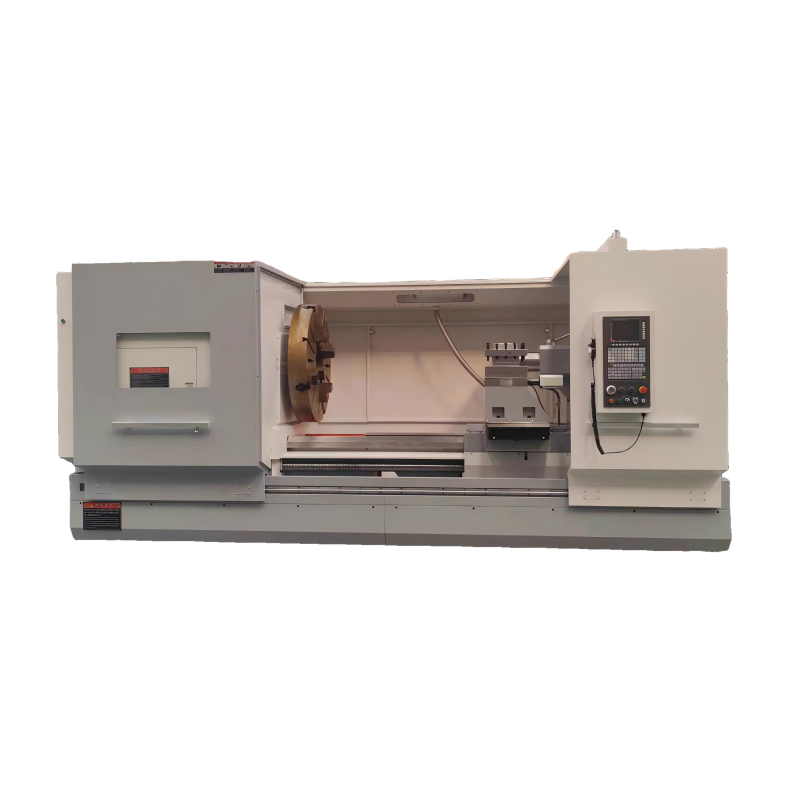
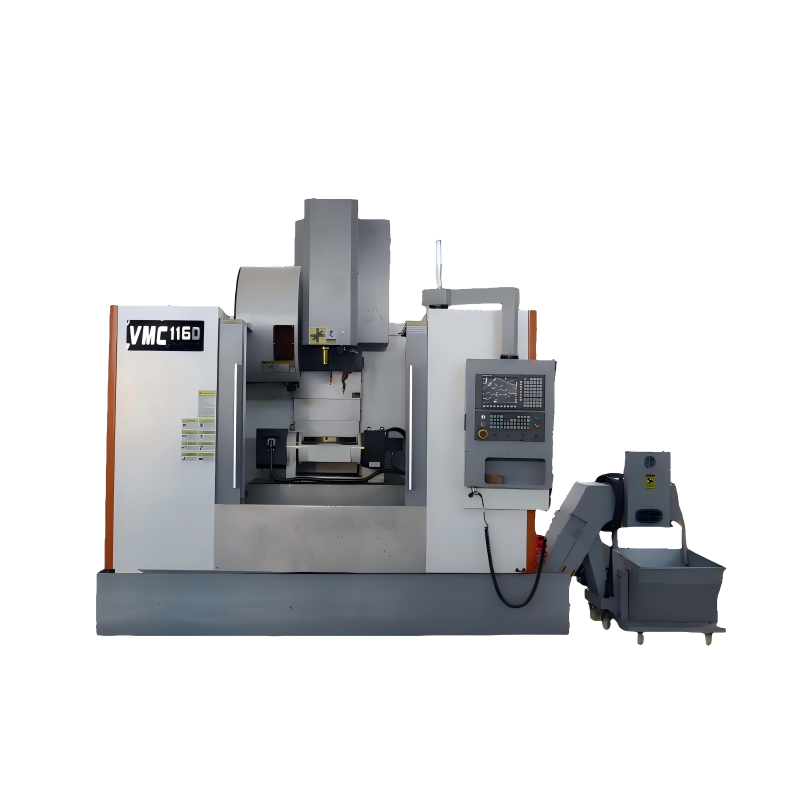
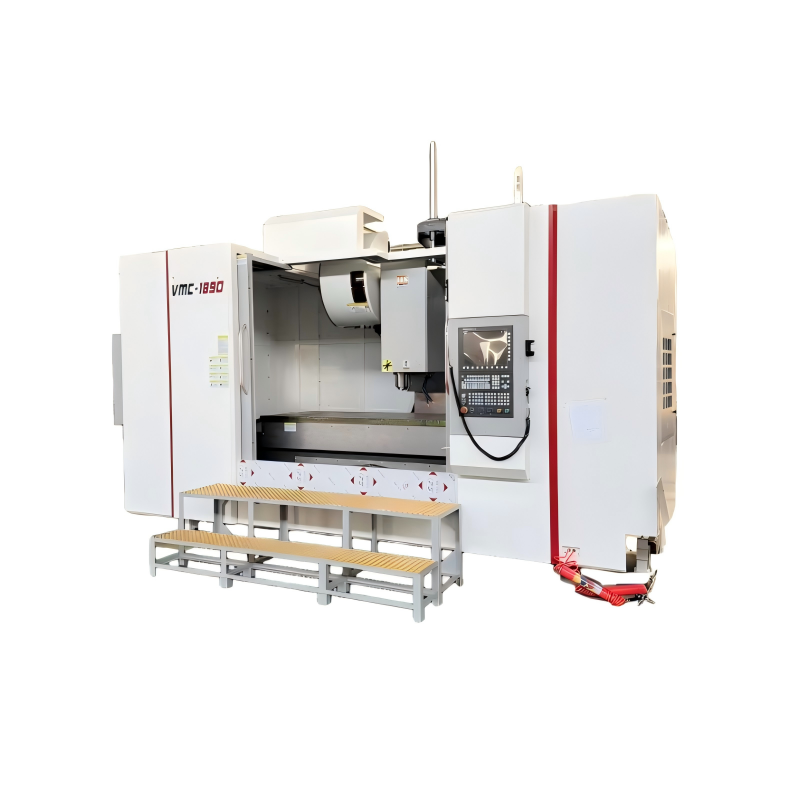
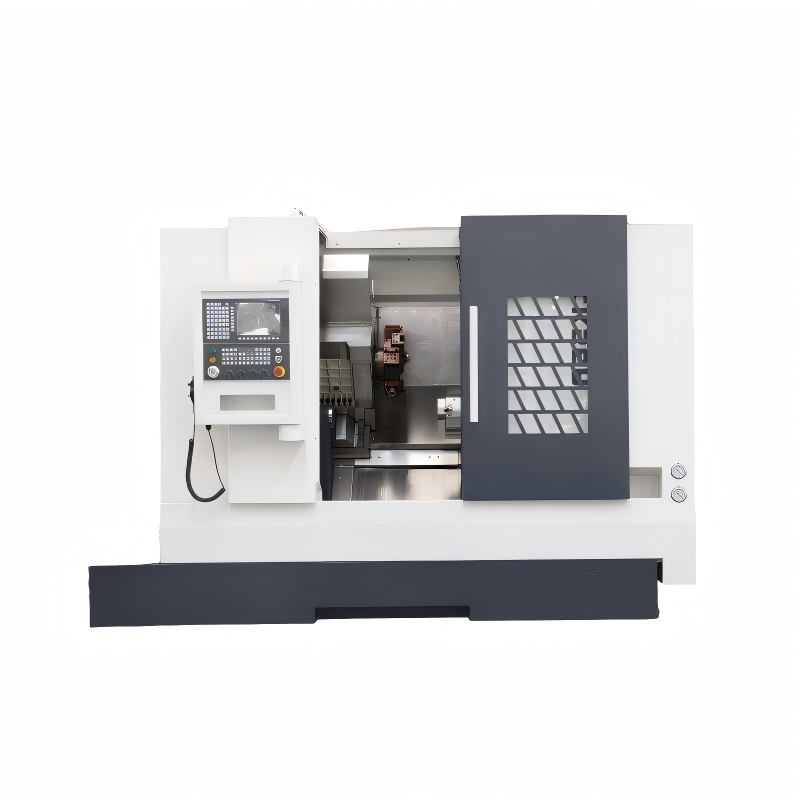
The advent of Vertical CNC Lathe technology has revolutionized the manufacturing industry, providing unparalleled precision and efficiency in machining operations. This comprehensive guide aims to assist both novice and experienced professionals in selecting the right vertical CNC Lathe for their specific needs. The selection process involves a thorough understanding of the machine's capabilities, the materials to be worked on, and the desired production output. By following this guide, you can ensure that your investment in a Vertical CNC Lathe is well-informed and tailored to your unique requirements.
A vertical CNC (Computer Numerical Control) lathe is a specialized machine tool designed for turning, facing, and boring operations. Unlike its horizontal counterpart, the workpiece in a vertical CNC lathe is held vertically, which offers several advantages. These include better chip evacuation, reduced deflection, and improved access to the part, making it ideal for complex and heavy components. The vertical orientation also allows for easier loading and unloading of parts, enhancing overall productivity.
Key features of a vertical CNC lathe include:
Choosing the right vertical CNC lathe requires careful consideration of several key factors. These factors will influence the machine's performance, efficiency, and suitability for your specific applications. Here are the primary considerations:
Modern vertical CNC lathes come equipped with a variety of advanced features and capabilities that make them highly versatile and efficient. Understanding these features can help you select a machine that meets your specific needs. Here are some key features to look for:
To better understand the practical applications and benefits of vertical CNC lathes, let's examine a few case studies from different industries:
These case studies highlight the versatility and effectiveness of vertical CNC lathes in various industries, demonstrating their value in achieving high-precision, high-efficiency, and high-quality machining results.
Proper maintenance and long-term support are essential for ensuring the longevity and optimal performance of your vertical CNC lathe. Regular maintenance includes tasks such as lubrication, cleaning, and inspection of critical components. Additionally, it is important to follow the manufacturer's recommended maintenance schedule and use genuine replacement parts.
Long-term support from the manufacturer or a reputable service provider can also be invaluable. This includes access to technical support, training, and regular updates to the control software. Investing in a maintenance contract or service agreement can provide peace of mind and ensure that your machine remains in top condition over its lifespan.
Selecting the right vertical CNC lathe is a critical decision that can significantly impact your manufacturing operations. By considering factors such as workpiece size and weight, material type, production volume, budget, and the machine's features and capabilities, you can make an informed choice that aligns with your specific needs. Additionally, understanding the real-world applications and the importance of maintenance and support will help you maximize the performance and longevity of your machine. With the right vertical CNC lathe, you can achieve high-precision, high-efficiency, and high-quality machining results, driving your business forward in today's competitive manufacturing landscape.
 27/06/2026
The vertical CNC lathe plays an indispensable role in the field of precision engineering, offering solutions that are both efficient and accurate. This report aims to explore how the vertical CNC lathe contributes to the advancement of manufacturing proce
Read More26/06/2026The vertical CNC lathe has emerged as a crucial tool in modern manufacturing, offering unique advantages that set it apart from its horizontal counterparts. This report explores how to maximize efficiency with a vertical CNC lathe, focusing on several key
Read More25/06/2026The manufacturing industry has witnessed a significant transformation with the advent of advanced machinery and technology. One such innovation that has revolutionized the sector is the Vertical CNC Lathe. This article delves into the advantages of using
Read MoreOur professional sales team is always ready to assist you.