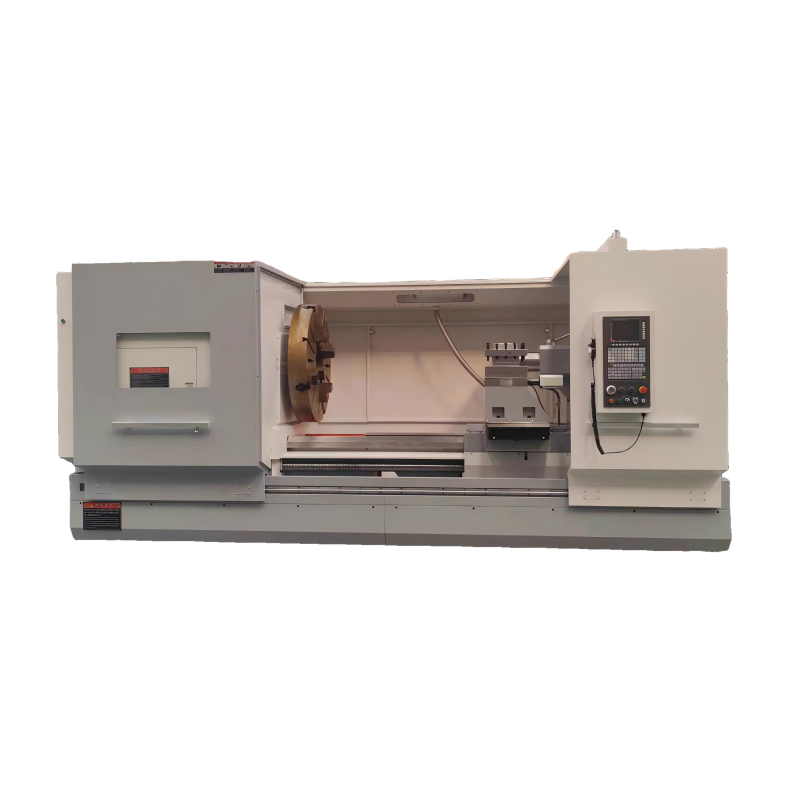
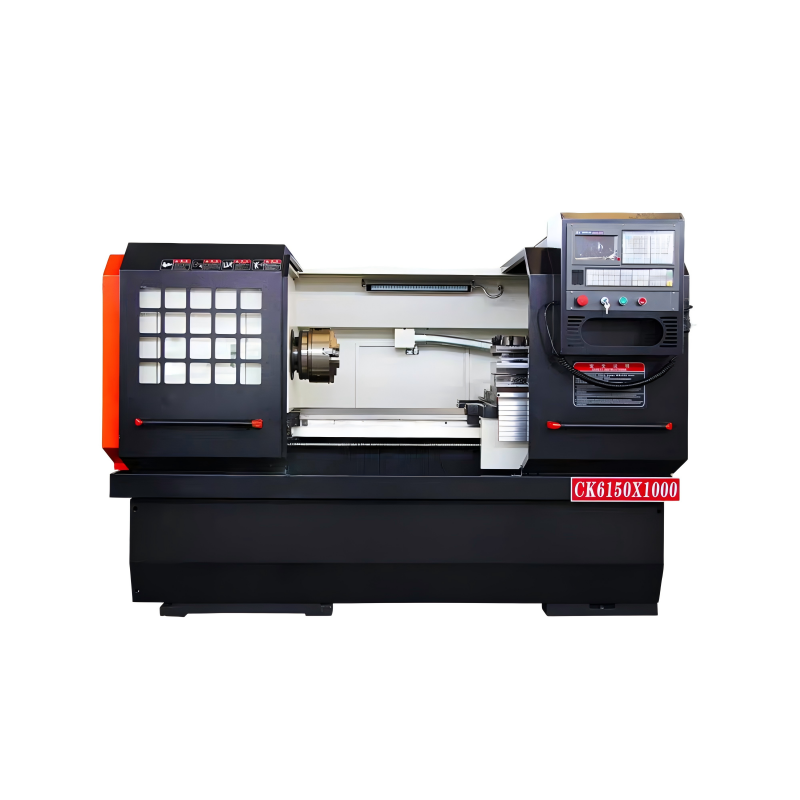
In the modern manufacturing landscape, achieving high efficiency while maintaining product quality is paramount. The advent of advanced machining technologies, such as the High precision CNC Lathe, has significantly contributed to this goal. This report explores how a High precision CNC Lathe can maximize efficiency in various aspects of production, from material utilization to operational speed and accuracy.
Enhanced Material Utilization through Precision Machining
The core advantage of using a High precision CNC Lathe lies in its ability to achieve extremely tight tolerances and complex geometries with minimal waste. Traditional lathes often require multiple setups and adjustments, leading to higher scrap rates and longer production times. In contrast, a High precision CNC Lathe utilizes sophisticated software and high-precision tooling to execute precise cuts and contours, thereby reducing material waste and improving overall yield. For example, in aerospace applications where materials like titanium and aluminum alloys are expensive, the precision of a CNC lathe ensures that each part is machined to exact specifications, minimizing the need for rework or rejection.
Moreover, the use of adaptive control systems in these machines allows for real-time monitoring and adjustment of cutting parameters, further enhancing material utilization. These systems can detect variations in material hardness or tool wear and automatically adjust the feed rate and spindle speed to maintain optimal cutting conditions. This not only extends the life of cutting tools but also ensures consistent quality across all parts, even when working with challenging materials.
Increased Productivity through Automated Processes
Automation is a key factor in maximizing productivity, and a High precision CNC Lathe excels in this area. These machines can operate 24/7 with minimal human intervention, thanks to features such as automatic tool changers, bar feeders, and robotic loading and unloading systems. By automating these processes, manufacturers can reduce downtime and increase throughput, leading to higher production volumes and faster turnaround times.
Additionally, the integration of CAD/CAM (Computer-Aided Design/Computer-Aided Manufacturing) software with a High precision CNC Lathe streamlines the entire production process. Engineers can design parts in CAD, generate toolpaths in CAM, and then transfer the data directly to the machine. This seamless workflow minimizes setup time and reduces the likelihood of errors, ensuring that the machine is always running at peak efficiency. Furthermore, the ability to program and simulate operations offline allows for optimization of the machining process before any material is cut, saving valuable time and resources.
Consistent Quality and Reduced Downtime through Advanced Monitoring and Maintenance
Maintaining consistent quality is critical in any manufacturing operation, and a High precision CNC Lathe provides several mechanisms to ensure this. Advanced monitoring systems, such as thermal compensation and vibration analysis, help to maintain the machine's accuracy over long periods. Thermal compensation adjusts the machine's position based on temperature changes, which can cause slight deviations in the cutting path. Vibration analysis, on the other hand, detects and corrects for any mechanical issues that could affect the quality of the machined parts.
Regular maintenance is also simplified with a High precision CNC Lathe. These machines are equipped with diagnostic tools that can identify potential issues before they become major problems. For instance, predictive maintenance algorithms can analyze data from sensors and provide alerts when a component is nearing the end of its service life. This proactive approach to maintenance reduces unplanned downtime and extends the overall lifespan of the machine. Additionally, many CNC lathes come with remote monitoring capabilities, allowing technicians to troubleshoot and resolve issues without needing to be physically present at the site, further minimizing disruptions to the production schedule.
Flexibility and Adaptability in Diverse Applications
One of the most significant advantages of a High precision CNC Lathe is its versatility. These machines can handle a wide range of materials, from soft metals like aluminum to hard metals like stainless steel, and even non-metallic materials like plastics and composites. This flexibility makes them suitable for various industries, including automotive, aerospace, medical, and electronics. The ability to switch between different materials and part types quickly and easily allows manufacturers to respond to changing market demands and take on a broader range of projects.
Furthermore, the modular design of many High precision CNC Lathes allows for easy customization and upgrades. Additional features such as live tooling, Y-axis capability, and multi-spindle configurations can be added to enhance the machine's functionality and expand its application range. This modularity ensures that the machine remains a valuable asset for years to come, even as technology and industry requirements evolve.
Conclusion
In conclusion, a High precision CNC Lathe is an indispensable tool for manufacturers looking to maximize efficiency and maintain high-quality standards. Through enhanced material utilization, increased productivity, consistent quality, and adaptability, these machines offer a comprehensive solution to the challenges faced in modern manufacturing. As technology continues to advance, the role of High precision CNC Lathes will only become more crucial in driving innovation and competitiveness in the industry.
 27/06/2026



