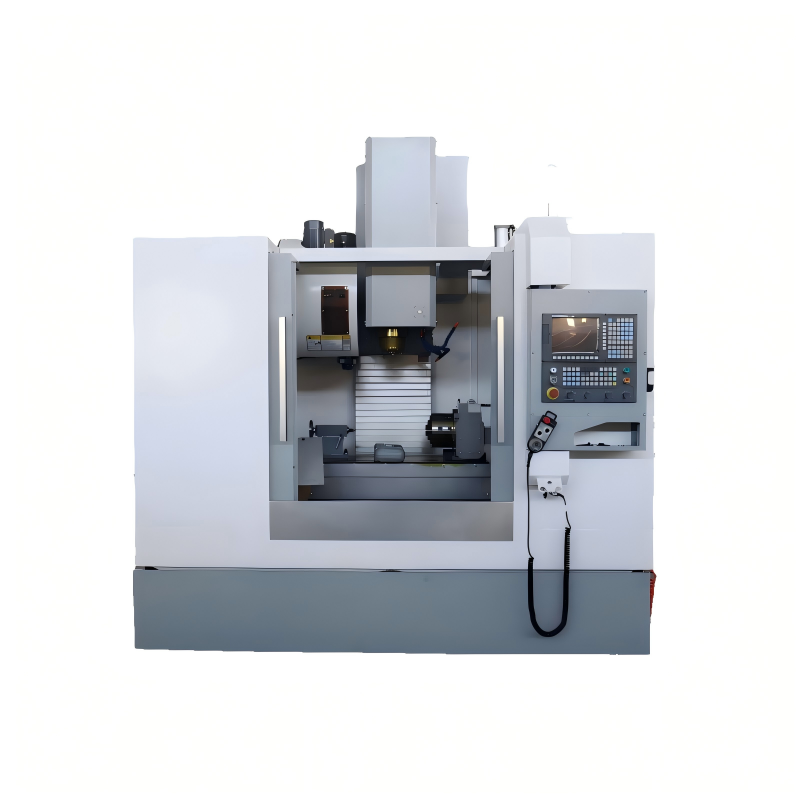
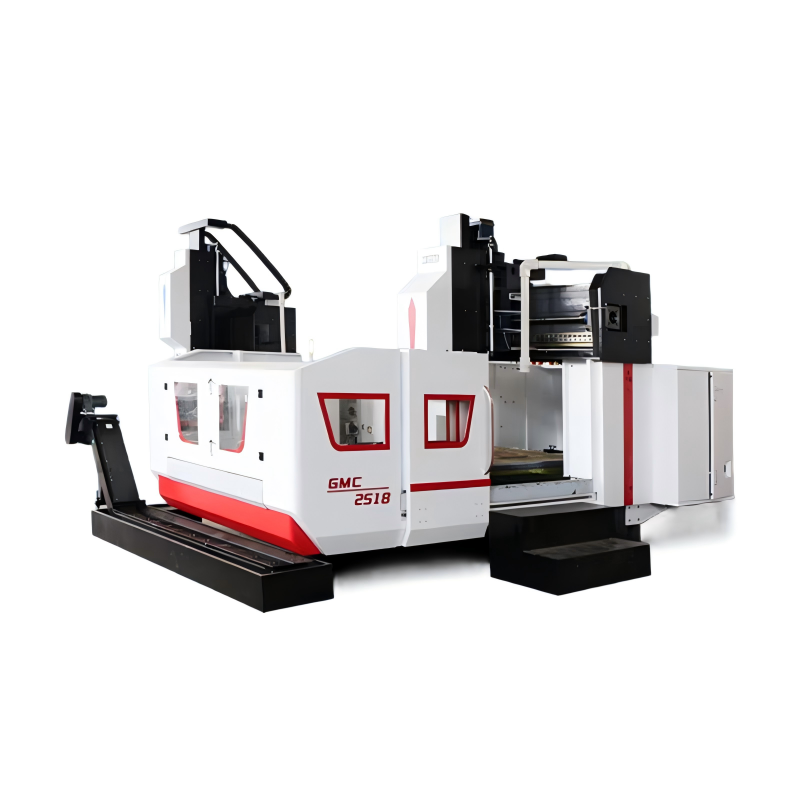
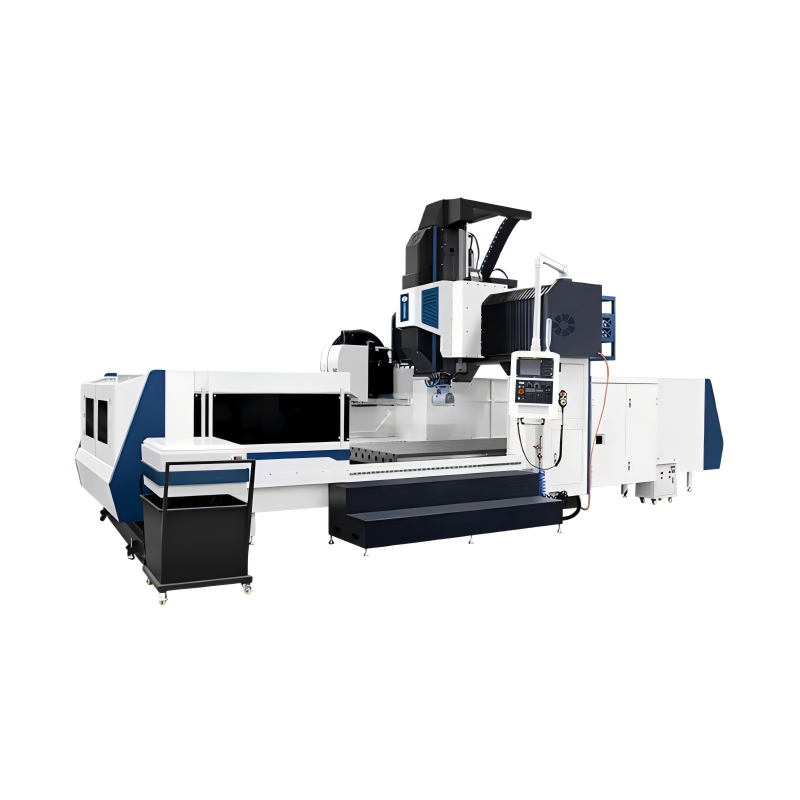
When it comes to manufacturing, selecting the right machinery is crucial for achieving high precision and efficiency. In China, the demand for Horizontal heavy duty CNC lathe has been on the rise due to its versatility and robust performance. This article aims to guide you through the process of choosing the right horizontal heavy duty CNC Lathe that meets your specific manufacturing needs in China.
A horizontal heavy duty CNC lathe is a type of machine tool designed for turning, facing, and boring operations. These lathes are particularly suited for large and heavy workpieces, making them ideal for industries such as automotive, aerospace, and construction. The key features of a horizontal heavy duty CNC lathe include:
Understanding these basics is essential before delving into the selection process. It helps in identifying the specific requirements and constraints of your manufacturing operations.
To choose the right horizontal heavy duty CNC lathe, it is crucial to evaluate your manufacturing requirements thoroughly. Consider the following factors:
By carefully evaluating these factors, you can narrow down your options and make an informed decision that aligns with your manufacturing goals.
Once you have a clear understanding of your requirements, the next step is to select the right features and specifications for your horizontal heavy duty CNC lathe. Here are some key considerations:
By focusing on these key features and specifications, you can ensure that the selected lathe meets your specific manufacturing needs and enhances overall productivity.
Choosing the right supplier is just as important as selecting the right lathe. A reliable supplier can provide valuable support throughout the lifecycle of the machine. Consider the following aspects when assessing suppliers:
By carefully assessing the supplier and their support services, you can ensure a smooth and trouble-free experience with your new horizontal heavy duty CNC lathe.
Selecting the right horizontal heavy duty CNC lathe for your manufacturing needs in China is a critical decision that can significantly impact your productivity and profitability. By understanding the basics of these machines, evaluating your specific requirements, selecting the right features and specifications, and assessing the supplier and support services, you can make an informed choice that aligns with your manufacturing goals. With the right lathe, you can achieve high precision, efficiency, and reliability in your operations, driving your business forward in the competitive manufacturing landscape.
 17/06/2026
Understanding the Advancements in Horizontal Heavy Duty CNC LathesThe evolution of manufacturing technologies has led to significant improvements in the precision, efficiency, and versatility of machining processes. Among these, horizontal heavy duty CNC
Read More16/06/2026In the rapidly evolving landscape of machining, China has emerged as a pivotal player, particularly in the development and production of advanced machinery such as the horizontal heavy duty CNC lathe. This article delves into the future of machining, focu
Read More16/06/2026In the realm of industrial manufacturing, precision is paramount. The advent of advanced machining technologies has enabled manufacturers to achieve unparalleled levels of accuracy and efficiency. One such technology that stands out is the Horizontal heav
Read More15/06/2026When it comes to selecting the right horizontal heavy duty CNC lathe for your specific needs, several critical factors must be considered. This guide aims to provide a comprehensive overview of the key aspects that will help you make an informed decision.
Read More15/06/2026The advancement in manufacturing technology has brought about significant improvements in the efficiency and quality of production processes. Among these advancements, the Horizontal heavy duty CNC lathe China stands out as a key player in enhancing produ
Read More15/06/2026Understanding the Importance of Precision and AccuracyIn the manufacturing industry, precision and accuracy are not just desirable; they are absolutely essential. When it comes to a horizontal heavy duty CNC lathe China, these qualities can make or break
Read More15/06/2026China has emerged as a significant player in the global manufacturing industry, particularly in the production of advanced machinery such as horizontal heavy duty CNC lathes. This report explores the role of China in the global market for these high-preci
Read More15/06/2026In the rapidly evolving landscape of modern manufacturing, the integration of advanced machinery plays a pivotal role in enhancing productivity and precision. One such piece of equipment that stands out is the horizontal heavy duty CNC lathe, especially t
Read More15/06/2026China has emerged as a significant player in the global manufacturing industry, with its machinery sector contributing substantially to this growth. One area where China excels is in the production of high-quality horizontal heavy duty CNC lathes. These m
Read More15/06/2026In the realm of industrial machinery, the Horizontal Heavy Duty CNC Lathe stands out as a critical component for manufacturing processes that demand precision, efficiency, and durability. This guide aims to provide an in-depth understanding of these machi
Read MoreOur professional sales team is always ready to assist you.