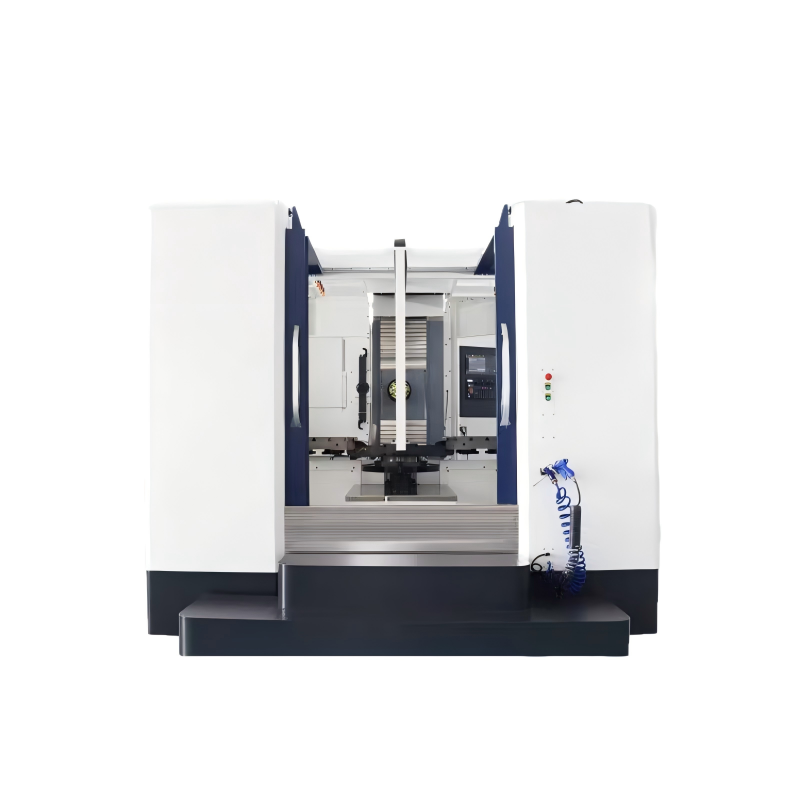
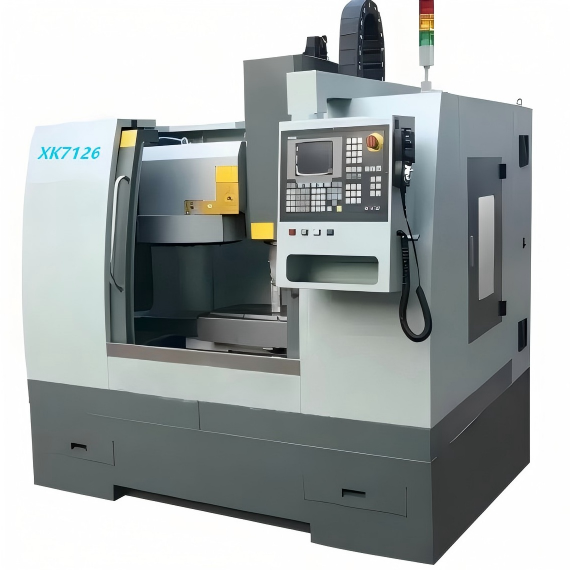
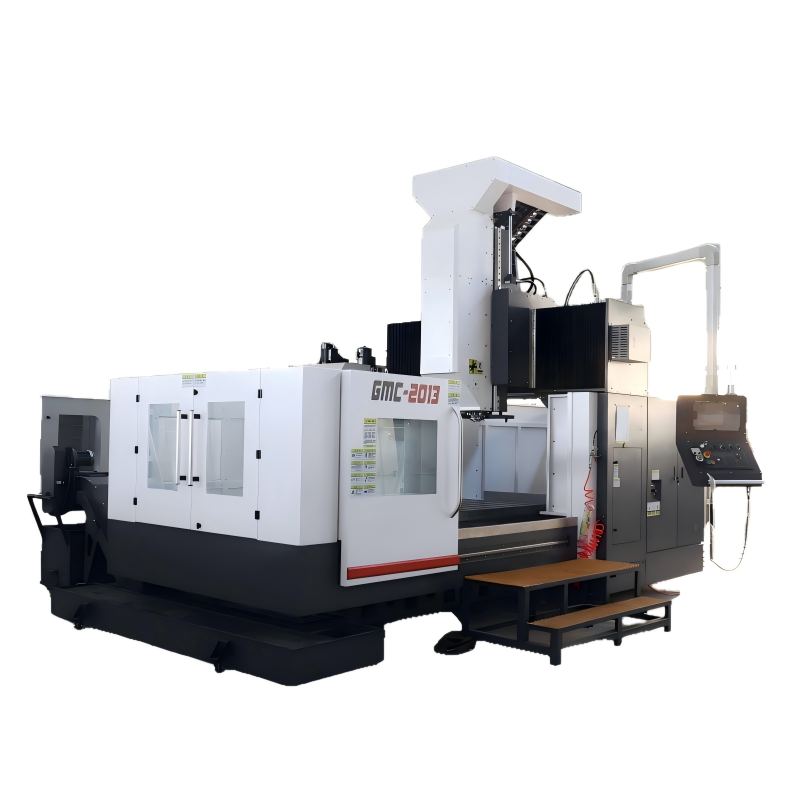
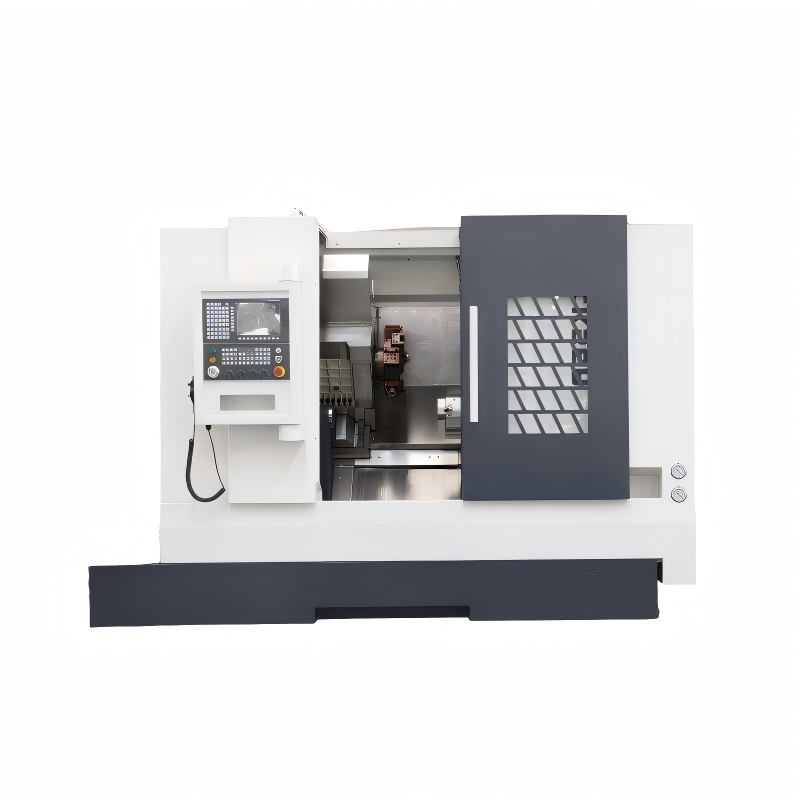
The evolution of manufacturing technologies has led to significant improvements in the precision, efficiency, and versatility of machining processes. Among these, horizontal heavy duty CNC Lathes have emerged as a cornerstone for industries requiring high-volume, high-precision metalworking. These machines are designed to handle large, complex parts with ease, making them indispensable for sectors such as automotive, aerospace, and heavy machinery. In this section, we will explore the key advancements that have made modern Horizontal heavy duty CNC lathe China models stand out in the global market.
One of the most notable advancements is the integration of advanced control systems. Modern CNC lathes are equipped with sophisticated software that allows for precise control over every aspect of the machining process. This includes not only the cutting operations but also the monitoring and adjustment of parameters such as speed, feed rate, and tool path. The result is a machine that can produce parts with exceptional accuracy and repeatability, even in high-volume production environments.
Another significant improvement is the use of high-strength materials in the construction of these lathes. The robust build ensures that the machines can withstand the rigors of continuous operation without compromising on performance or longevity. Additionally, the design of these lathes often incorporates features such as rigid guideways and reinforced structures, which further enhance their stability and precision.
Furthermore, the advent of multi-axis capabilities has revolutionized the way these lathes operate. Traditional lathes were limited to turning operations, but modern horizontal heavy duty CNC lathes can perform a wide range of tasks, including milling, drilling, and tapping. This multifunctionality reduces the need for multiple setups and machines, thereby streamlining the production process and reducing overall costs.
Advanced horizontal heavy duty CNC lathes are equipped with a host of features that set them apart from their predecessors. One of the most critical features is the ability to handle large workpieces. These lathes are designed with extended bed lengths and increased spindle bores, allowing them to accommodate parts that are both long and wide. This capability is particularly valuable in industries where large components, such as engine blocks and turbine shafts, are common.
Another key feature is the high-torque, high-power spindles. These spindles are capable of delivering the necessary force to cut through tough materials, such as stainless steel and titanium, with ease. The high torque also ensures that the machine can maintain consistent performance even when dealing with challenging workpieces. Additionally, the spindles are often designed with advanced cooling systems to prevent overheating and extend their lifespan.
Tooling flexibility is another hallmark of these lathes. They are equipped with versatile tool changers that can hold a variety of cutting tools, allowing for quick and easy tool changes during the machining process. This flexibility is crucial for maintaining high productivity and minimizing downtime. Moreover, the tool changers are typically automated, which further enhances the efficiency of the machine.
Finally, the integration of advanced sensors and monitoring systems is a key feature of modern horizontal heavy duty CNC lathes. These systems provide real-time data on various aspects of the machining process, such as tool wear, vibration, and thermal conditions. By continuously monitoring these parameters, operators can make informed decisions and take proactive measures to optimize the process and prevent potential issues.
The adoption of horizontal heavy duty CNC lathes in industrial applications offers numerous benefits that can significantly enhance the overall efficiency and quality of the manufacturing process. One of the primary advantages is the ability to achieve high precision and accuracy. These lathes are capable of producing parts with extremely tight tolerances, which is essential for industries where precision is critical, such as aerospace and medical device manufacturing.
Another significant benefit is the reduction in production time. The advanced control systems and multi-axis capabilities of these lathes allow for faster and more efficient machining. This is particularly important in high-volume production environments where time is of the essence. By reducing the cycle time, manufacturers can increase their output and meet demanding production schedules.
Additionally, the use of horizontal heavy duty CNC lathes can lead to cost savings. The ability to perform multiple operations in a single setup reduces the need for additional machines and setups, thereby lowering the overall production costs. Furthermore, the high precision and repeatability of these lathes minimize the risk of scrap and rework, which can be a significant source of waste in many manufacturing processes.
Finally, the robustness and durability of these lathes contribute to their long-term value. The high-strength materials and advanced design features ensure that the machines can withstand the demands of continuous operation without frequent maintenance or repairs. This reliability is crucial for maintaining a smooth and uninterrupted production process, which is essential for meeting customer expectations and maintaining a competitive edge in the market.
To illustrate the effectiveness of horizontal heavy duty CNC lathes, let's examine a few case studies from Chinese manufacturers who have successfully implemented these machines in their production processes. One such example is a leading automotive component manufacturer that recently upgraded its machining capabilities with a fleet of advanced horizontal heavy duty CNC lathes. The company reported a 30% increase in production capacity and a 20% reduction in cycle time, resulting in significant cost savings and improved product quality.
In another case, a manufacturer of large-scale wind turbine components adopted horizontal heavy duty CNC lathes to handle the machining of massive turbine shafts. The lathes' ability to handle large workpieces and perform multiple operations in a single setup allowed the company to streamline its production process and reduce the overall lead time by 40%. This not only improved the company's competitiveness in the market but also enhanced its reputation for delivering high-quality products on time.
A third example comes from a company specializing in the production of hydraulic cylinders. The implementation of horizontal heavy duty CNC lathes enabled the company to achieve higher precision and consistency in the machining of cylinder barrels and pistons. The result was a 15% reduction in scrap rates and a 25% increase in overall productivity. This success story highlights the versatility and reliability of these lathes in handling a wide range of machining tasks.
These case studies demonstrate the tangible benefits that can be achieved through the adoption of horizontal heavy duty CNC lathes. By leveraging the advanced features and capabilities of these machines, manufacturers can enhance their production efficiency, improve product quality, and ultimately gain a competitive advantage in the market.
The landscape of horizontal heavy duty CNC lathe technology is constantly evolving, driven by the need for greater efficiency, precision, and sustainability. One of the key trends in this field is the integration of Industry 4.0 technologies. The concept of Industry 4.0, or the Fourth Industrial Revolution, emphasizes the use of smart, connected technologies to create more flexible, efficient, and responsive manufacturing systems. For horizontal heavy duty CNC lathes, this means the incorporation of features such as predictive maintenance, real-time data analytics, and cloud-based monitoring.
Predictive maintenance is a game-changer in the world of CNC lathes. By using advanced sensors and machine learning algorithms, these systems can predict when maintenance is needed before a failure occurs. This proactive approach not only reduces downtime but also extends the lifespan of the machine. Real-time data analytics, on the other hand, provide valuable insights into the machining process, enabling operators to make data-driven decisions and optimize the process in real-time.
Cloud-based monitoring is another emerging trend. By connecting the CNC lathes to the cloud, manufacturers can access and analyze data from anywhere, at any time. This remote monitoring capability is particularly useful for managing large, distributed manufacturing operations. It allows for centralized control and oversight, ensuring that all machines are operating at peak performance and that any issues can be addressed promptly.
Another area of innovation is the development of more sustainable and energy-efficient CNC lathes. As environmental concerns continue to grow, manufacturers are increasingly looking for ways to reduce their carbon footprint. This has led to the development of lathes with energy-saving features, such as regenerative braking systems and optimized power consumption. These innovations not only help to reduce energy costs but also contribute to a more sustainable manufacturing process.
Finally, the use of advanced materials and coatings is another area of focus. New materials, such as ceramic and composite materials, are being used to enhance the durability and performance of cutting tools. Additionally, advanced coatings, such as diamond-like carbon (DLC) and physical vapor deposition (PVD) coatings, are being applied to cutting tools to improve their wear resistance and extend their lifespan. These advancements in materials and coatings are crucial for achieving higher levels of precision and efficiency in the machining process.
In conclusion, the future of horizontal heavy duty CNC lathes is bright, with a wealth of new technologies and innovations on the horizon. By embracing these advancements, manufacturers can stay ahead of the curve and continue to deliver high-quality, precision-machined parts that meet the demands of the modern market.
 17/06/2026
When it comes to manufacturing, selecting the right machinery is crucial for achieving high precision and efficiency. In China, the demand for Horizontal heavy duty CNC lathe has been on the rise due to its versatility and robust performance. This article
Read More16/06/2026In the rapidly evolving landscape of machining, China has emerged as a pivotal player, particularly in the development and production of advanced machinery such as the horizontal heavy duty CNC lathe. This article delves into the future of machining, focu
Read More16/06/2026In the realm of industrial manufacturing, precision is paramount. The advent of advanced machining technologies has enabled manufacturers to achieve unparalleled levels of accuracy and efficiency. One such technology that stands out is the Horizontal heav
Read More15/06/2026When it comes to selecting the right horizontal heavy duty CNC lathe for your specific needs, several critical factors must be considered. This guide aims to provide a comprehensive overview of the key aspects that will help you make an informed decision.
Read More15/06/2026The advancement in manufacturing technology has brought about significant improvements in the efficiency and quality of production processes. Among these advancements, the Horizontal heavy duty CNC lathe China stands out as a key player in enhancing produ
Read More15/06/2026Understanding the Importance of Precision and AccuracyIn the manufacturing industry, precision and accuracy are not just desirable; they are absolutely essential. When it comes to a horizontal heavy duty CNC lathe China, these qualities can make or break
Read More15/06/2026China has emerged as a significant player in the global manufacturing industry, particularly in the production of advanced machinery such as horizontal heavy duty CNC lathes. This report explores the role of China in the global market for these high-preci
Read More15/06/2026In the rapidly evolving landscape of modern manufacturing, the integration of advanced machinery plays a pivotal role in enhancing productivity and precision. One such piece of equipment that stands out is the horizontal heavy duty CNC lathe, especially t
Read More15/06/2026China has emerged as a significant player in the global manufacturing industry, with its machinery sector contributing substantially to this growth. One area where China excels is in the production of high-quality horizontal heavy duty CNC lathes. These m
Read More15/06/2026In the realm of industrial machinery, the Horizontal Heavy Duty CNC Lathe stands out as a critical component for manufacturing processes that demand precision, efficiency, and durability. This guide aims to provide an in-depth understanding of these machi
Read MoreOur professional sales team is always ready to assist you.