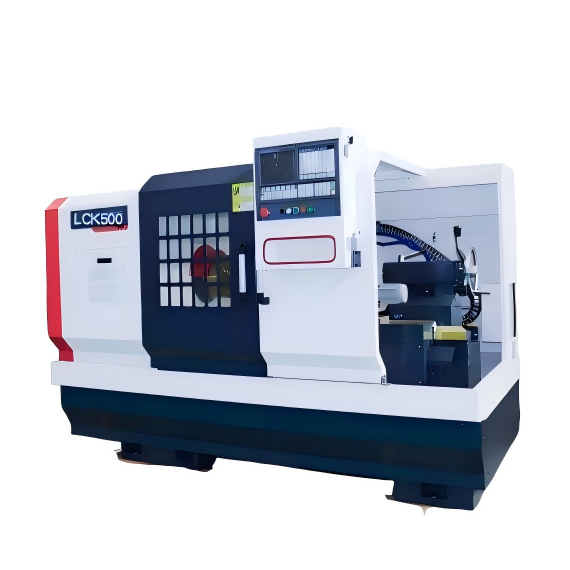
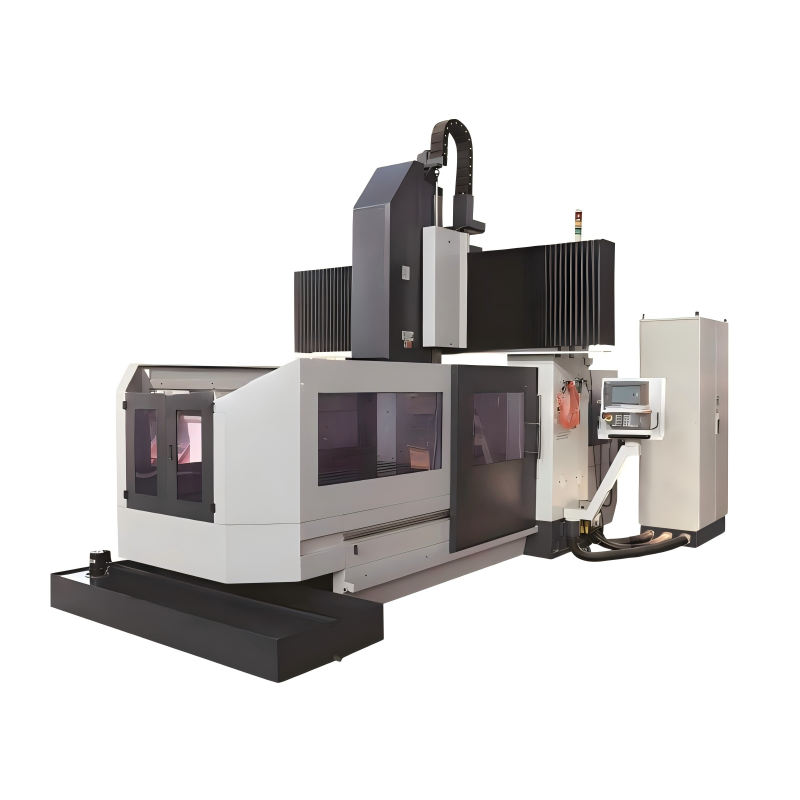
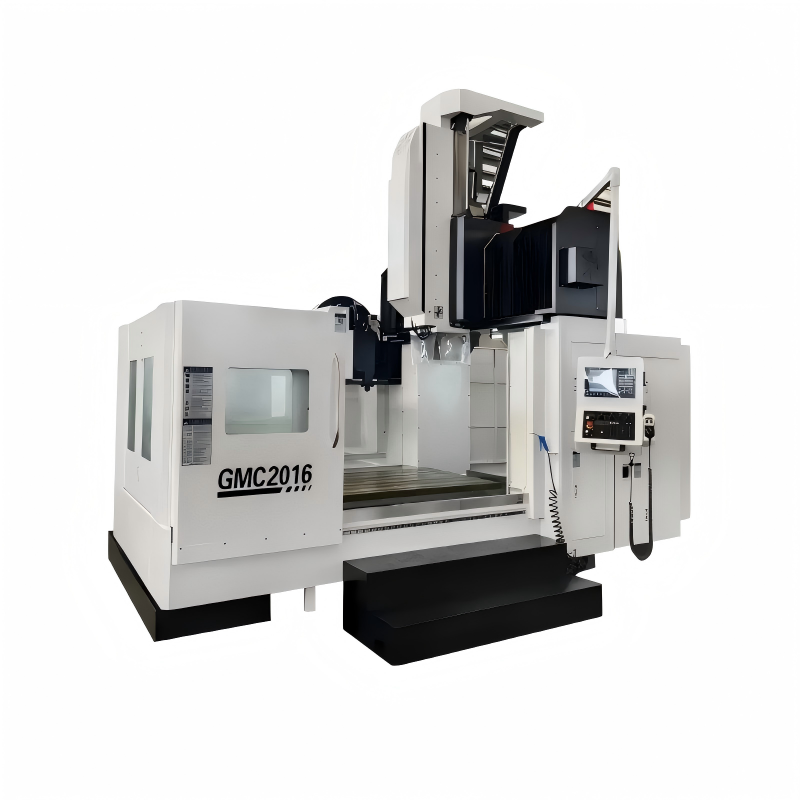
In the realm of automotive manufacturing, precision and efficiency are paramount. The advent of CNC (Computer Numerical Control) lathes has revolutionized the way automotive parts are machined, providing unparalleled accuracy and speed. This report delves into the recent innovations in CNC Lathe technology specifically tailored for the automotive industry, highlighting how these advancements have significantly enhanced the machining process.
One of the most significant advancements in CNC lathe technology is the integration of advanced software solutions. Modern CNC lathes for automotive parts machining are equipped with sophisticated control systems that can interpret complex 3D models and translate them into precise tool paths. This level of software sophistication allows for intricate designs to be executed with micron-level accuracy, ensuring that every part meets the stringent quality standards required by the automotive industry. Moreover, these software packages often include features such as automatic tool compensation, which adjusts the cutting path in real-time to account for tool wear, further enhancing the overall precision of the machining process.
The demand for faster production cycles without compromising on quality has driven the development of high-speed machining capabilities in CNC lathes. These machines are designed to operate at higher spindle speeds and feed rates, reducing the time it takes to machine a part. For instance, some of the latest CNC lathes for automotive parts machining can achieve spindle speeds of up to 10,000 RPM or more, allowing for rapid material removal and shorter cycle times. Additionally, the use of high-efficiency cutting tools and optimized cutting strategies further contributes to increased productivity. This not only helps in meeting tight production schedules but also reduces the cost per part, making the manufacturing process more economically viable.
Another key innovation in CNC lathe technology is the ability to work with a wide range of materials, including those that are traditionally difficult to machine. Automotive parts are often made from a variety of materials, such as aluminum, steel, and even composite materials, each with its own unique properties and machining challenges. Modern CNC lathes for automotive parts machining are equipped with advanced tooling and cooling systems that can handle these diverse materials effectively. For example, the use of through-spindle coolant delivery systems ensures that the cutting zone remains cool, preventing thermal deformation and extending tool life. This versatility in material handling allows manufacturers to produce a broader range of components, from lightweight aluminum parts to high-strength steel components, all on a single machine.
Automation is a critical aspect of modern manufacturing, and CNC lathes for automotive parts machining have embraced this trend with the introduction of automated tool changers and multi-tasking capabilities. Automated tool changers allow for rapid and seamless switching between different cutting tools, eliminating the need for manual intervention and reducing downtime. This feature is particularly beneficial in high-volume production environments where multiple operations need to be performed on a single part. Furthermore, many CNC lathes now offer multi-tasking capabilities, combining turning, milling, and drilling operations in a single setup. This not only simplifies the machining process but also reduces the number of setups required, leading to a more streamlined and efficient production line.
The integration of data analytics and predictive maintenance technologies is another area where CNC lathes for automotive parts machining have seen significant advancements. Modern CNC lathes are equipped with sensors and monitoring systems that collect real-time data on various parameters, such as tool wear, machine performance, and part quality. This data is then analyzed using advanced algorithms to provide insights into the machining process. For example, predictive maintenance systems can detect early signs of tool wear or machine malfunction, allowing for proactive maintenance and minimizing unplanned downtime. Additionally, data-driven manufacturing enables continuous improvement by identifying areas for optimization and fine-tuning the machining process to achieve the best possible results.
In conclusion, the innovations in CNC lathe technology for automotive parts machining have transformed the manufacturing landscape, offering enhanced precision, increased productivity, improved material versatility, and advanced automation. These advancements not only meet the rigorous demands of the automotive industry but also pave the way for future developments in machining technology. As the industry continues to evolve, the role of CNC lathes in automotive parts machining will undoubtedly remain central, driving further improvements in efficiency and quality.
 30/06/2026
In the ever-evolving landscape of automotive manufacturing, precision and efficiency are paramount. One technology that has significantly contributed to these aspects is the CNC lathe for automotive parts machining. This article delves into the critical r
Read More30/06/2026In the rapidly evolving automotive industry, precision and efficiency in component manufacturing play a crucial role. The adoption of advanced machining technologies, such as CNC (Computer Numerical Control) lathes, has significantly enhanced the producti
Read More30/06/2026In the automotive industry, precision and efficiency are not just desirable; they are essential. The use of CNC (Computer Numerical Control) lathes for automotive parts machining has revolutionized how components are manufactured, ensuring that each part
Read MoreOur professional sales team is always ready to assist you.