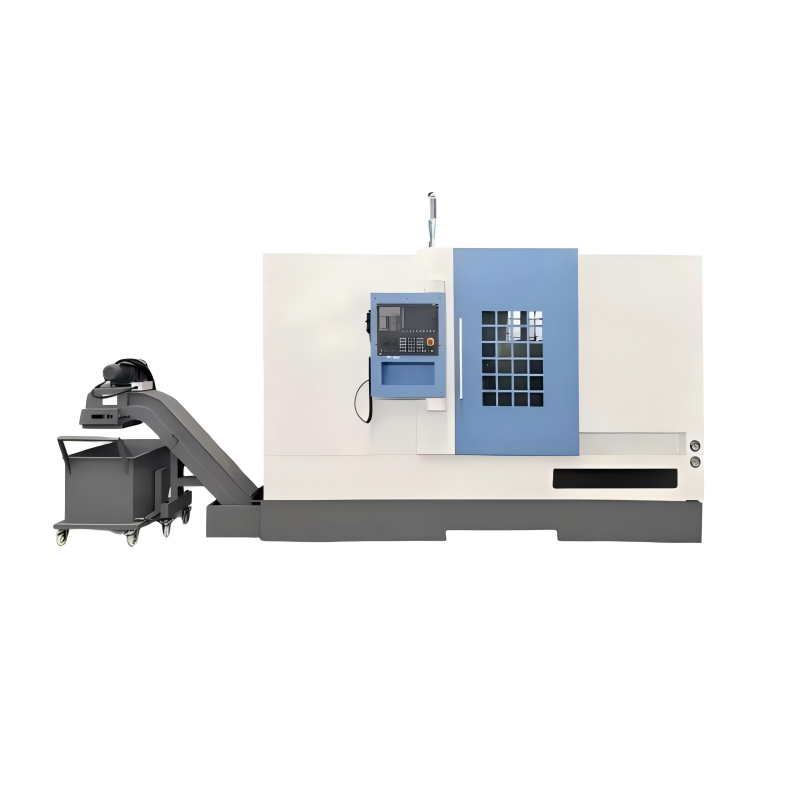
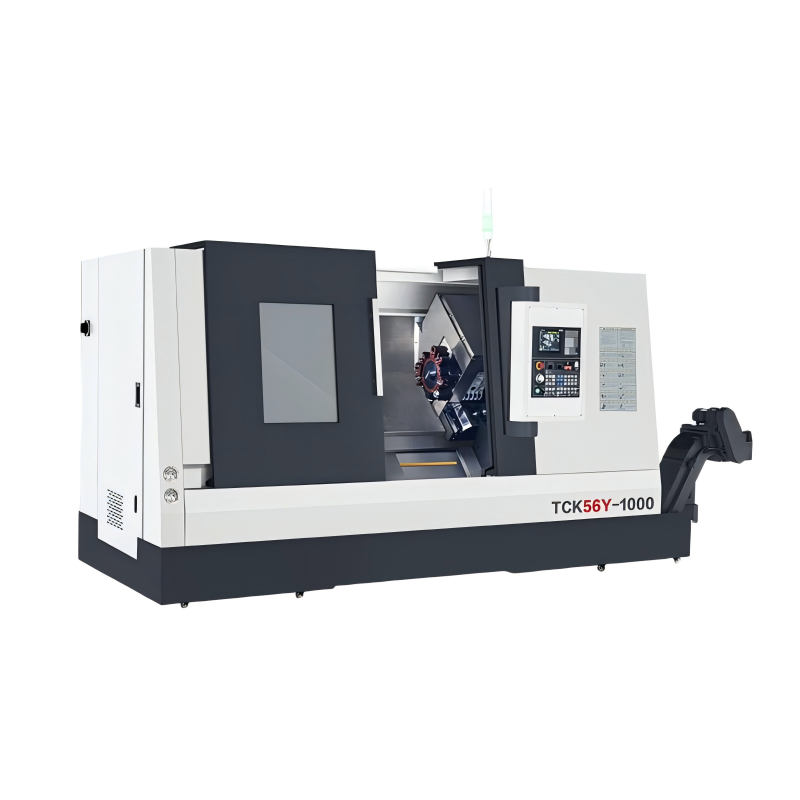
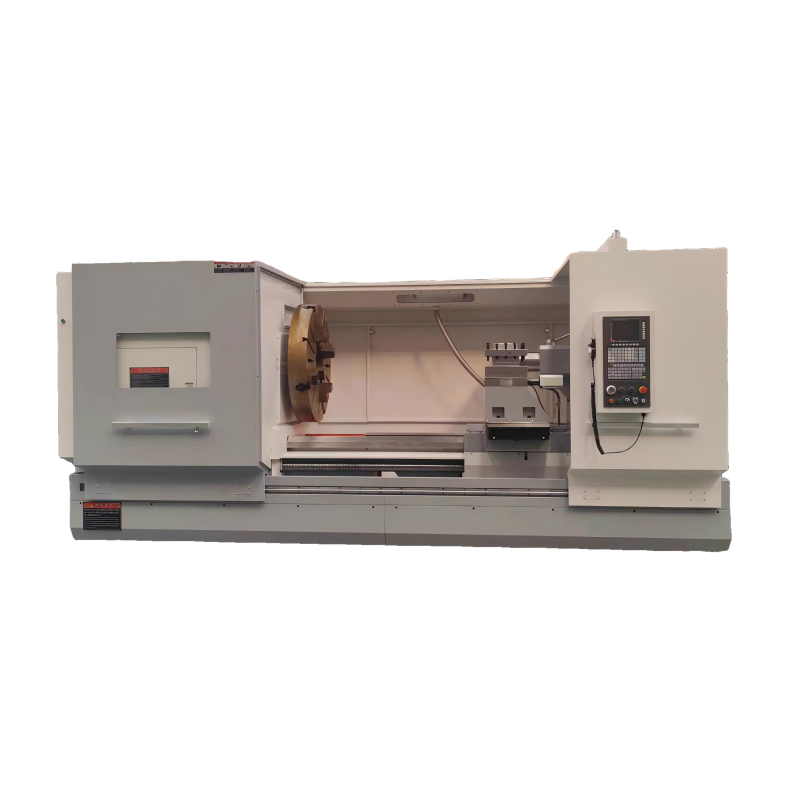
In the rapidly evolving automotive industry, precision and efficiency in component manufacturing play a crucial role. The adoption of advanced machining technologies, such as CNC (Computer Numerical Control) lathes, has significantly enhanced the production capabilities of automotive parts. This report explores how CNC Lathes for automotive parts machining are transforming the sector, focusing on key aspects such as improved accuracy, increased productivity, and cost-effectiveness.
CNC lathes for automotive parts machining offer unparalleled accuracy and consistency, which are essential for producing high-quality components. These machines operate based on pre-programmed instructions, ensuring that each part is machined to exact specifications. Unlike manual lathes, which can be prone to human error, CNC lathes maintain consistent quality throughout the production process. This level of precision is particularly important in the automotive industry, where even the slightest deviation can affect the performance and safety of the final product.
Moreover, CNC lathes can handle complex geometries and intricate designs with ease. Advanced software and multi-axis capabilities allow for the creation of highly detailed and precise components. This is especially beneficial for manufacturing critical automotive parts such as engine components, transmission parts, and brake systems, where tight tolerances are required.
One of the most significant advantages of using CNC lathes for automotive parts machining is the substantial increase in productivity. These machines can operate continuously, 24/7, without the need for breaks or shifts, leading to higher output rates. Additionally, CNC lathes can perform multiple operations simultaneously, reducing the overall production time. For instance, a single setup can include turning, milling, drilling, and threading, eliminating the need for multiple machine setups and reducing the time required for tool changes.
Automation is another key factor that contributes to the efficiency of CNC lathes. Automated loading and unloading systems, combined with robotic arms, can further streamline the production process. This not only reduces labor costs but also minimizes the risk of human error and enhances the overall throughput of the manufacturing line. In high-volume production environments, these features are invaluable for meeting stringent delivery schedules and maintaining a competitive edge.
While the initial investment in CNC lathes may be higher compared to traditional machinery, the long-term benefits in terms of cost savings are substantial. CNC lathes reduce material waste by optimizing the cutting paths and minimizing scrap. The ability to program and simulate the machining process before actual production helps in identifying and rectifying potential issues, thereby saving both time and resources. Furthermore, the reduced need for manual intervention and the lower likelihood of errors result in fewer rework and scrap, contributing to lower operational costs.
Flexibility is another key advantage of CNC lathes for automotive parts machining. These machines can be easily reprogrammed to accommodate design changes or to produce different parts. This adaptability is particularly valuable in the automotive industry, where frequent updates and modifications to vehicle models are common. By quickly adjusting to new requirements, manufacturers can stay agile and responsive to market demands, ensuring that they remain competitive and relevant.
Quality control is a critical aspect of automotive component production, and CNC lathes play a vital role in ensuring that parts meet the highest standards. These machines are equipped with advanced sensors and monitoring systems that continuously track the machining process. Any deviations from the programmed parameters are immediately detected, allowing for real-time adjustments and corrections. This ensures that each part is manufactured to the specified dimensions and tolerances, reducing the likelihood of defects and improving overall quality.
Traceability is another important feature offered by CNC lathes. Each part can be assigned a unique identifier, and the machining data, including the date, time, and operator information, can be recorded and stored. This traceability is crucial for compliance with industry regulations and for conducting quality audits. In the event of a defect or recall, manufacturers can quickly identify the affected parts and take corrective actions, minimizing the impact on their operations and reputation.
The integration of CNC lathes for automotive parts machining has revolutionized the way components are produced in the automotive industry. The combination of improved accuracy, increased productivity, cost-effectiveness, and enhanced quality control makes CNC lathes an indispensable tool for modern automotive manufacturers. As the industry continues to evolve, the adoption of advanced machining technologies will play a pivotal role in driving innovation and maintaining competitiveness.
 30/06/2026
In the realm of automotive manufacturing, precision and efficiency are paramount. The advent of CNC (Computer Numerical Control) lathes has revolutionized the way automotive parts are machined, providing unparalleled accuracy and speed. This report delves
Read More30/06/2026In the ever-evolving landscape of automotive manufacturing, precision and efficiency are paramount. One technology that has significantly contributed to these aspects is the CNC lathe for automotive parts machining. This article delves into the critical r
Read More30/06/2026In the automotive industry, precision and efficiency are not just desirable; they are essential. The use of CNC (Computer Numerical Control) lathes for automotive parts machining has revolutionized how components are manufactured, ensuring that each part
Read MoreOur professional sales team is always ready to assist you.