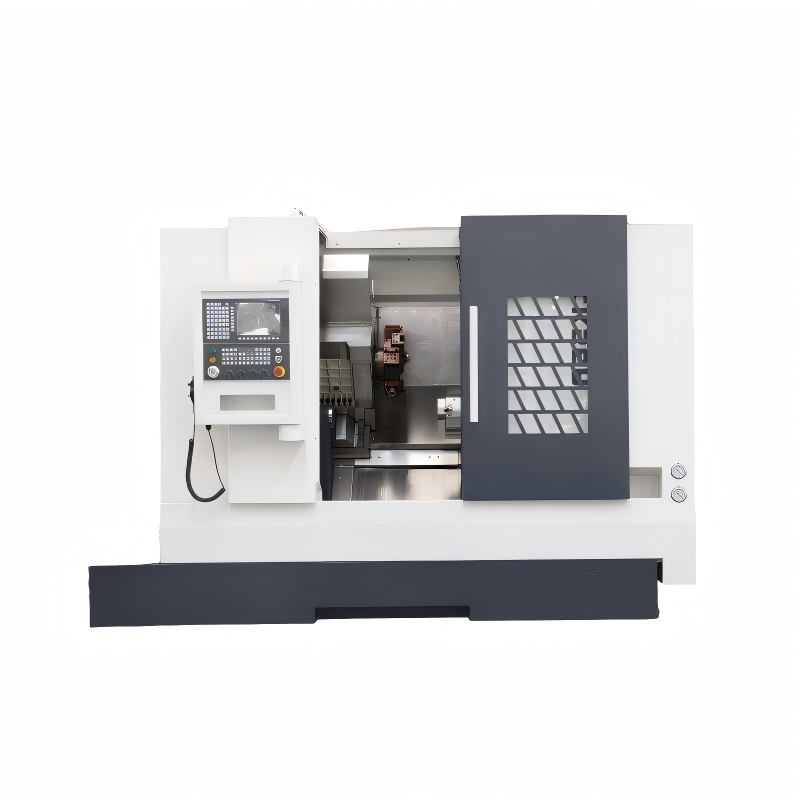
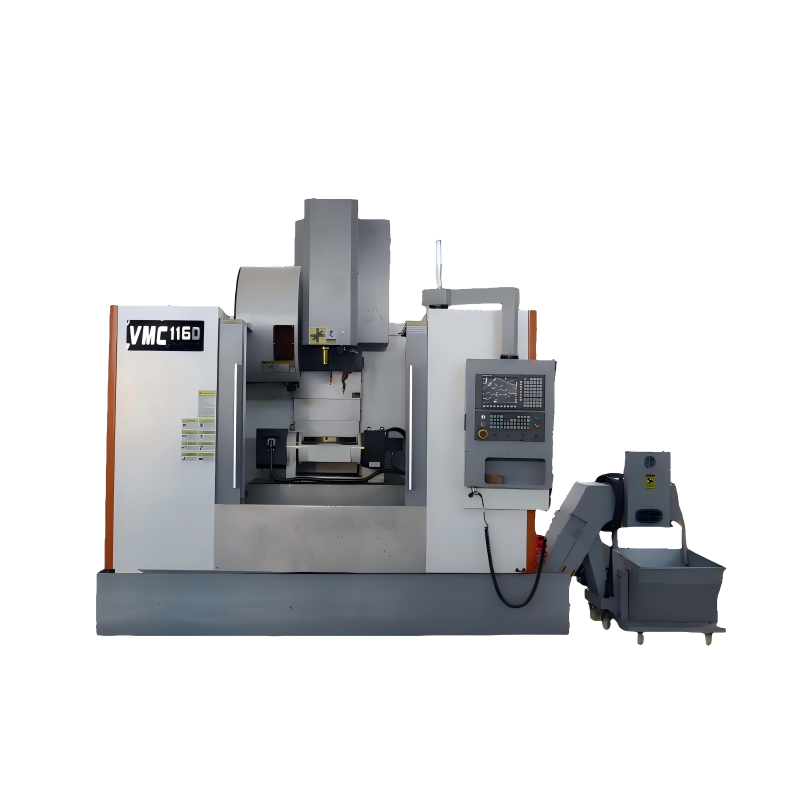
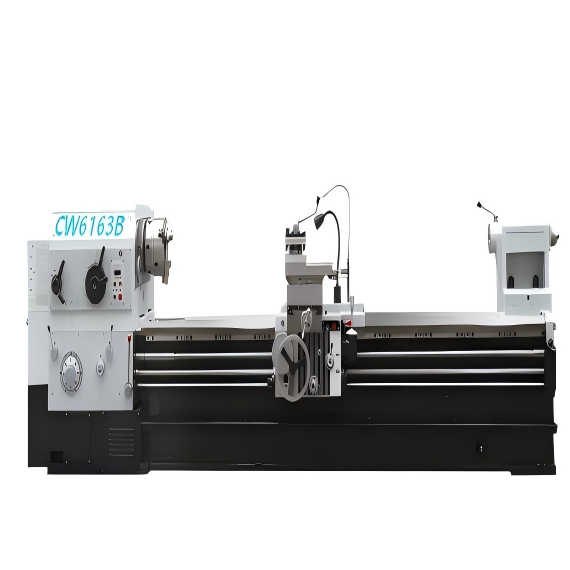
In the realm of industrial manufacturing, pipe threading lathes play a crucial role in producing precision threads on pipes and tubes. Modern Pipe threading lathe manufacturers have evolved to offer a wide array of customization options, allowing for greater flexibility and efficiency in production processes. This report delves into the key customization options available from these manufacturers, highlighting their benefits and applications.
One of the most significant advancements in modern pipe threading lathes is the integration of advanced control systems. These systems, often based on CNC (Computer Numerical Control) technology, enable operators to program and execute complex threading operations with high precision. The use of CNC allows for the creation of highly accurate and consistent thread profiles, which is essential in industries such as oil and gas, where even minor deviations can lead to catastrophic failures. Furthermore, these systems often come with user-friendly interfaces, making it easier for operators to input and adjust parameters, thus reducing the learning curve and minimizing errors.
Additionally, some manufacturers offer the option to integrate additional sensors and feedback mechanisms, such as laser measurement systems, to further enhance the accuracy and repeatability of the threading process. This level of precision not only improves the quality of the final product but also reduces waste and rework, leading to cost savings and increased productivity.
Another critical aspect of customization offered by modern pipe threading lathe manufacturers is the ability to design and implement custom tooling and fixture solutions. Different applications require different types of threads, and having the right tooling is essential for achieving the desired results. Manufacturers can work closely with customers to develop specialized tools that meet specific requirements, such as thread pitch, depth, and shape. This collaboration ensures that the final product meets the exact specifications needed for the intended application.
Beyond tooling, customizable fixtures are also available to secure and position the workpiece accurately during the threading process. These fixtures can be designed to accommodate various pipe sizes and shapes, ensuring that the workpiece remains stable and aligned throughout the operation. Custom fixtures not only improve the accuracy of the threading but also reduce setup times, making the entire process more efficient.
Modern pipe threading lathes are increasingly being designed with modularity in mind. A modular design allows for easy reconfiguration and expansion, making it possible to adapt the machine to changing production needs. For example, a basic lathe can be upgraded with additional modules, such as automatic loading and unloading systems, coolant management systems, or even additional axes for multi-axis machining. This flexibility is particularly valuable in dynamic manufacturing environments where production requirements can change rapidly.
Moreover, the modular approach enables manufacturers to offer a range of standard configurations, which can be customized to meet specific customer needs. This not only reduces the lead time for delivery but also ensures that the machine is optimized for the specific application. By offering a scalable solution, pipe threading lathe manufacturers can provide a long-term investment that grows with the business, rather than requiring a complete replacement when production demands increase.
The integration of smart manufacturing technologies is another key trend in the customization options offered by modern pipe threading lathe manufacturers. These technologies, including IoT (Internet of Things), AI (Artificial Intelligence), and machine learning, enable real-time monitoring and analysis of the production process. Sensors and data analytics can be used to track the performance of the lathe, identify potential issues, and predict maintenance needs, thereby reducing downtime and improving overall equipment effectiveness (OEE).
For instance, IoT-enabled lathes can send real-time data to a central monitoring system, allowing operators to remotely monitor the machine's status and performance. This data can be analyzed to optimize the threading process, identify areas for improvement, and even predict when components may need to be replaced. AI and machine learning algorithms can also be used to optimize the threading parameters, such as feed rates and spindle speeds, to achieve the best possible results while minimizing wear and tear on the machine.
By integrating these smart technologies, pipe threading lathe manufacturers can provide a more intelligent and connected solution that not only enhances the quality and efficiency of the threading process but also supports the broader goals of Industry 4.0 and digital transformation in manufacturing.
Modern pipe threading lathe manufacturers have made significant strides in offering a wide range of customization options to meet the diverse needs of their customers. From advanced control systems and customizable tooling to modular designs and the integration of smart manufacturing technologies, these options provide greater precision, flexibility, and efficiency in the production of threaded pipes and tubes. As the manufacturing landscape continues to evolve, the ability to customize and adapt will be increasingly important for staying competitive and meeting the demands of the market.
 19/06/2026
For those involved in the manufacturing or maintenance of pipe threading lathes, understanding how to properly maintain and operate these machines is crucial. A pipe threading lathe manufacturer not only produces high-quality equipment but also emphasizes
Read More19/06/2026In the manufacturing sector, the quality of machinery directly impacts its performance and longevity. This is particularly true for specialized equipment such as pipe threading lathes. A pipe threading lathe manufacturer must adhere to stringent quality c
Read More18/06/2026In the realm of manufacturing, the evolution of technology has been a driving force behind increased efficiency and precision. For industries that rely heavily on pipe threading, such as oil and gas, plumbing, and construction, the role of a pipe threadin
Read More18/06/2026The manufacturing industry is continuously evolving, with advancements in technology driving significant changes. Among these developments, the production of pipe threading lathe manufacturer equipment has seen notable transformations. This report explore
Read More18/06/2026In the realm of industrial machinery, selecting the right pipe threading lathe manufacturer is a critical decision that can significantly impact production efficiency and quality. This guide aims to provide an in-depth analysis for those in search of a re
Read More17/06/2026The Evolution and Importance of Pipe Threading Lathes in Modern IndustriesAs industries continue to evolve, the need for precision and efficiency in manufacturing processes has become more critical than ever. One such tool that plays a pivotal role in thi
Read More17/06/2026In the ever-evolving world of industrial machinery, pipe threading lathes have become indispensable tools for manufacturers and contractors alike. These machines are designed to cut threads into pipes, ensuring precise and durable connections. This report
Read More17/06/2026When it comes to selecting a Pipe threading lathe manufacturer, understanding the key features that define a top-notch machine is essential. A high-quality pipe threading lathe not only ensures precision and efficiency in your operations but also enhances
Read More16/06/2026The Evolution of Pipe Threading Lathe TechnologyIn the realm of industrial manufacturing, the advancement in machinery design and production has been nothing short of revolutionary. Among these innovations, the pipe threading lathe stands out as a critica
Read More16/06/2026When it comes to selecting the right Pipe threading lathe manufacturer for your specific needs, there are several key factors that you should consider. This technical report will guide you through the process, ensuring that you make an informed decision t
Read More16/06/2026In the realm of industrial machinery, a pipe threading lathe stands out as an essential tool for creating precise and durable threads on pipes. This article delves into the advantages offered by a high-quality pipe threading lathe from a reputable pipe th
Read MoreOur professional sales team is always ready to assist you.