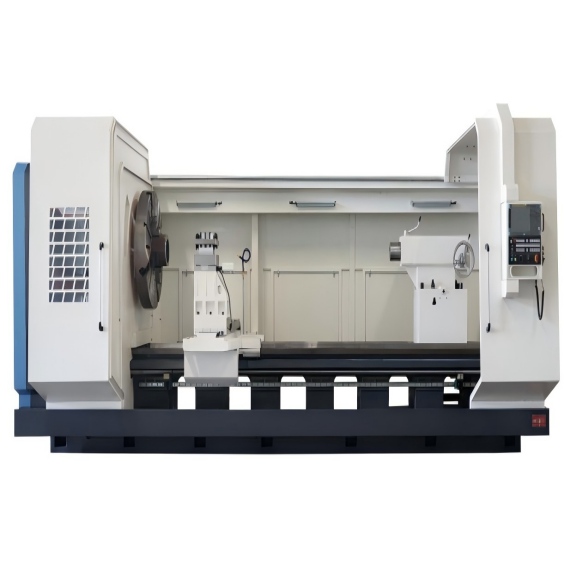
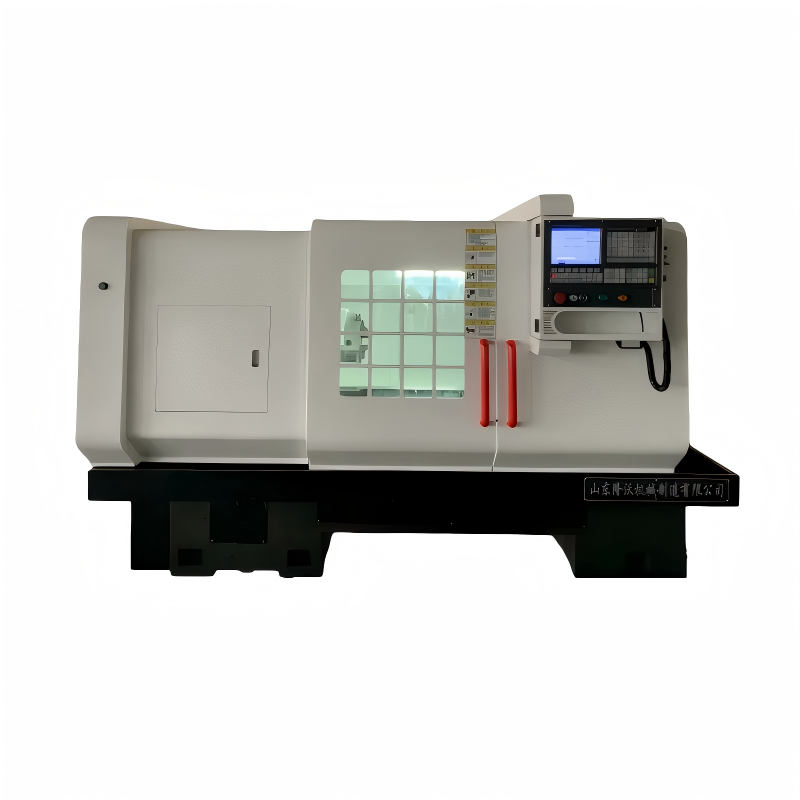
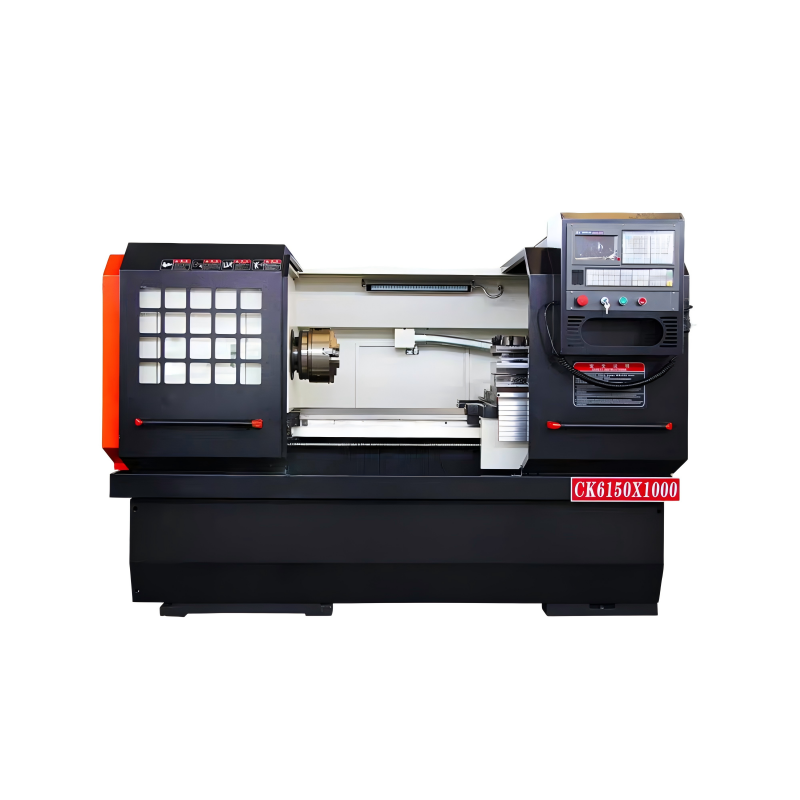
In the manufacturing sector, the quality of machinery directly impacts its performance and longevity. This is particularly true for specialized equipment such as pipe threading lathes. A Pipe threading lathe manufacturer must adhere to stringent quality control measures to ensure that their products meet industry standards and customer expectations. In this report, we will explore the impact of quality control on the performance of pipe threading lathes.
Precision is a critical factor in the operation of pipe threading lathes. These machines are designed to cut threads into pipes, which are then used in various applications, including plumbing, oil and gas, and construction. The accuracy of the threads produced by the lathe is crucial for ensuring proper fit and function of the pipes. A pipe threading lathe manufacturer must implement rigorous quality control processes to maintain the precision of their machines. This includes regular calibration, inspection of components, and testing of the final product. High-precision lathes not only enhance the quality of the threads but also reduce the likelihood of defects and rework, leading to cost savings and increased efficiency.
The materials used in the construction of pipe threading lathes play a significant role in their performance and durability. A reputable pipe threading lathe manufacturer selects high-quality materials that can withstand the rigors of continuous use. For example, the use of hardened steel for the cutting tools and robust alloys for the machine frame ensures that the lathe can operate under high loads without degrading. Additionally, the quality of the materials affects the overall lifespan of the machine. By using premium materials, manufacturers can produce lathes that require less maintenance and have a longer operational life. This not only benefits the end-user but also enhances the reputation of the manufacturer in the market.
Manufacturing tolerances are another critical aspect of quality control in the production of pipe threading lathes. Tolerances refer to the permissible variations in the dimensions and specifications of the machine's components. A pipe threading lathe manufacturer must adhere to strict tolerances to ensure that all parts fit together precisely and function as intended. Tighter tolerances result in more reliable and consistent performance. For instance, if the tolerances for the spindle and bearings are too loose, it can lead to excessive vibration, which can degrade the quality of the threads and cause premature wear on the machine. By maintaining tight tolerances, manufacturers can produce lathes that are more reliable and capable of producing high-quality threads consistently.
The assembly and testing phases are essential steps in the quality control process for pipe threading lathes. During assembly, each component must be carefully inspected and installed to ensure that it meets the required specifications. This includes checking for any defects or irregularities that could affect the performance of the machine. After assembly, the lathe undergoes a series of tests to verify its functionality and performance. These tests may include running the machine at different speeds and loads, measuring the accuracy of the threads produced, and conducting stress tests to evaluate the durability of the machine. A pipe threading lathe manufacturer that prioritizes these quality control measures can deliver a product that performs reliably and meets the highest standards of quality.
Customer feedback is a valuable tool for a pipe threading lathe manufacturer to improve the quality and performance of their products. By actively seeking and incorporating feedback from users, manufacturers can identify areas for improvement and make necessary adjustments. This continuous improvement process helps to address any issues that may arise and ensures that the lathes continue to meet the evolving needs of the market. Additionally, customer feedback can provide insights into the real-world performance of the lathes, which can be used to refine the design and manufacturing processes. By fostering a culture of continuous improvement, manufacturers can stay ahead of the competition and maintain a strong reputation in the industry.
In conclusion, the impact of quality control on the performance of pipe threading lathes cannot be overstated. From the precision of the machine to the quality of the materials used, and the adherence to manufacturing tolerances, every aspect of the production process plays a crucial role. By implementing robust quality control measures, a pipe threading lathe manufacturer can produce machines that are reliable, efficient, and capable of meeting the high standards of the industry. This not only benefits the end-users but also enhances the reputation and success of the manufacturer in the competitive market.
 19/06/2026
For those involved in the manufacturing or maintenance of pipe threading lathes, understanding how to properly maintain and operate these machines is crucial. A pipe threading lathe manufacturer not only produces high-quality equipment but also emphasizes
Read More19/06/2026In the realm of industrial manufacturing, pipe threading lathes play a crucial role in producing precision threads on pipes and tubes. Modern pipe threading lathe manufacturers have evolved to offer a wide array of customization options, allowing for grea
Read More18/06/2026In the realm of manufacturing, the evolution of technology has been a driving force behind increased efficiency and precision. For industries that rely heavily on pipe threading, such as oil and gas, plumbing, and construction, the role of a pipe threadin
Read More18/06/2026The manufacturing industry is continuously evolving, with advancements in technology driving significant changes. Among these developments, the production of pipe threading lathe manufacturer equipment has seen notable transformations. This report explore
Read More18/06/2026In the realm of industrial machinery, selecting the right pipe threading lathe manufacturer is a critical decision that can significantly impact production efficiency and quality. This guide aims to provide an in-depth analysis for those in search of a re
Read More17/06/2026The Evolution and Importance of Pipe Threading Lathes in Modern IndustriesAs industries continue to evolve, the need for precision and efficiency in manufacturing processes has become more critical than ever. One such tool that plays a pivotal role in thi
Read More17/06/2026In the ever-evolving world of industrial machinery, pipe threading lathes have become indispensable tools for manufacturers and contractors alike. These machines are designed to cut threads into pipes, ensuring precise and durable connections. This report
Read More17/06/2026When it comes to selecting a Pipe threading lathe manufacturer, understanding the key features that define a top-notch machine is essential. A high-quality pipe threading lathe not only ensures precision and efficiency in your operations but also enhances
Read More16/06/2026The Evolution of Pipe Threading Lathe TechnologyIn the realm of industrial manufacturing, the advancement in machinery design and production has been nothing short of revolutionary. Among these innovations, the pipe threading lathe stands out as a critica
Read More16/06/2026When it comes to selecting the right Pipe threading lathe manufacturer for your specific needs, there are several key factors that you should consider. This technical report will guide you through the process, ensuring that you make an informed decision t
Read More16/06/2026In the realm of industrial machinery, a pipe threading lathe stands out as an essential tool for creating precise and durable threads on pipes. This article delves into the advantages offered by a high-quality pipe threading lathe from a reputable pipe th
Read MoreOur professional sales team is always ready to assist you.